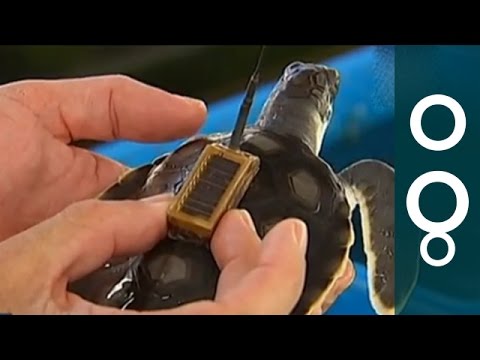
So, let me tell you about turtles. Did you know some of them have been around for over 200 million years? Seriously, they’re like the ultimate survivors. Imagine living through the age of dinosaurs and still being here, chilling in ponds and beaches.
Now, why should we care about these ancient creatures? Well, if you think about it, turtles play a pretty crucial role in their ecosystems. They’re not just cute; they help maintain healthy water systems and contribute to beach ecosystems.
But there’s a catch. Many turtle species are endangered or at risk due to all sorts of human activities—pollution, habitat destruction, you name it. This is where taxonomy comes into play. It’s all about classifying these amazing animals to better understand them and help them survive.
So let’s dive into turtle taxonomy! You’re gonna want to know how naming these little guys can actually make a big difference in conservation efforts. Sound good?
The Role of Taxonomy in Conservation Science: Understanding Biodiversity and Ecosystem Preservation
Taxonomy is one of those terms that might sound a bit fancy, but it’s really just a way to categorize living things. Imagine putting all your favorite toys into separate boxes based on what they are—like cars in one box, dolls in another. Well, taxonomy does something similar for plants and animals. It helps us understand where species fit in the grand scheme of life. This is super important when it comes to conservation science, especially for vulnerable creatures like turtles.
Turtles might not look like they need saving at first glance, right? But many species are facing serious threats from habitat loss, pollution, and climate change. This is where taxonomy kicks in! By classifying turtles into groups based on their relatedness and traits, scientists can identify which ones are at risk and why. For example, the Atlantic loggerhead turtle might face different challenges compared to the Hawksbill turtle. Understanding these differences is key because it helps shape strategies for their protection.
So basically, when we study how different turtle species are related through taxonomy, we get a clearer picture of biodiversity. Each turtle species plays a role in its ecosystem—think about how they help with plant growth by munching on sea grasses or how they are prey for larger animals. Losing even one type can ripple through the ecosystem like dropping a stone in water.
Furthermore, from a conservation standpoint, knowing exactly what kind of turtle you’re dealing with helps tailor conservation efforts more effectively. For example:
- If you know that Caretta caretta (the loggerhead) nests on certain beaches during specific months, you can set up protective measures during nesting season.
- If another variety migrates over long distances to feed and reproduce—like the green sea turtle—it might need international cooperation for its protection across borders.
And there’s more! The genetic information gained from studying their taxonomy adds another layer of understanding. Like getting to know the family tree of turtles gives insights into their evolution and resilience against diseases or environmental changes.
Let’s not forget about public awareness too! When people hear about different turtle species—like the critically endangered Yangtze giant softshell turtle—they’re more likely to want to get involved with conservation efforts or support policies aimed at protecting them. It’s that emotional connection that often drives action.
In short, taxonomy isn’t just some academic exercise; it’s an essential tool for conservation science that allows us to comprehend and preserve the rich tapestry of life around us—including our beloved turtles. Without this understanding, efforts could miss the mark entirely or fail to address the specific needs of each species.
So next time you see a turtle basking in the sun or gliding gracefully through water, remember there’s so much behind its story—a whole world of relationships waiting to be explored through taxonomy! Pretty cool stuff if you think about it!
Understanding Turtle Taxonomy: A Comprehensive Overview in Biological Classification
Turtles are pretty amazing creatures, right? They’ve been around for over 200 million years, which is like, forever in the animal kingdom. But when it comes to understanding them, their taxonomy—or how we classify them—can get kinda complex. So let’s break it down.
First off, taxonomy is like the family tree of living things. It helps scientists put all organisms into groups based on similarities and differences. For turtles, the biggest group they fall under is called Reptilia, which includes lizards and snakes too.
Within Reptilia, turtles are placed in their own order called Chelonia or Testudines. That’s where it gets interesting! Did you know that there are about 356 different species of turtles? They can be categorized in several ways:
- Suborder: Turtles are primarily divided into two suborders:
- Cryptodira: These turtles retract their heads straight back into their shells. Think of box turtles and sea turtles.
- Pleurodira: These ones tuck their heads sideways into their shells. An example would be the side-necked turtle.
- Families: There are multiple families within each suborder. For instance:
- Tortoises (Testudinidae): Land-dwellers with high domed shells. Who doesn’t love a good tortoise?
- Turtle (Emydidae): Generally found in water and often have flatter shells.
- Genus and Species: This is where it gets even more specific. Each species has a unique name that tells you exactly what type of turtle you’re dealing with.
Now, why does understanding turtle taxonomy matter? Well, for one thing, it’s crucial for conservation efforts! Different species face various threats—from habitat loss to climate change. If we don’t know which category they belong to or how they’re related to each other, we can’t effectively protect them.
For example, consider the plight of the hawksbill sea turtle ({Eretmochelys imbricata}), which is critically endangered due to illegal trade for its beautiful shell. By knowing its classification within Chelonioidea family, scientists can track its population and adapt conservation strategies accordingly.
Plus, closer taxonomic relationships often mean that species share similar habitats or behaviors. This means that by protecting one species’ environment, you might just help others too!
There’s also something kinda poetic about this whole classification system. It’s like a giant puzzle where every piece matters; every single turtle plays its part in the ecosystem. So when you hear about turtles being endangered or threatened—remember there’s more than just one kind out there; each has a unique role in our world.
In short, turtle taxonomy is more than just academic jargon; it’s essential for conservation science and protecting these extraordinary creatures from disappearing forever—a legacy we’d all want to preserve for future generations. So yeah, next time you see a turtle even crossing your path slowly in life—or at least your screen—think about all the fascinating layers behind its classification!
Understanding Turtle Taxonomy: Implications for Conservation Science – Downloadable PDF
Turtles are these amazing creatures that have been around for millions of years. But, have you ever stopped to think about how scientists classify them? Yep, that’s where turtle taxonomy comes into play!
Turtle taxonomy is all about understanding the different types of turtles out there and how they are related to one another. Think of it like a family tree for turtles. This classification system helps researchers figure out which species are endangered or at risk, which is super important for conservation efforts.
Here’s a quick breakdown of what you might find in turtle taxonomy:
- Order: Turtles belong to the order Chelonia.
- Families: Within this order, there are several families, like Emydidae (the pond turtles) and Cheloniidae (the sea turtles).
- Genera and Species: Each family is divided into genera and then species. For example, the loggerhead sea turtle is known as Caretta caretta.
So why does all this matter? Well, let me share a little story. A few years ago, I went turtle spotting with some friends near a lake. We were excited to see a couple of cute little sliders basking in the sun, but we spotted some illegal fishing happening nearby. It turns out that identifying which species were present could have helped local conservationists enforce laws to protect them better!
When researchers know exactly what types of turtles exist in an area, they’re better prepared to take action. For instance:
- Protection Measures: They can create targeted conservation strategies based on the specific needs of each species.
- Ecosystem Health: Turtles play vital roles in their ecosystems; knowing their taxonomy helps us understand these roles better.
Moreover, some turtles can be more vulnerable than others due to habitat loss or climate change. Taxonomy helps pinpoint these critical situations.
Consider how Dermochelys coriacea, the leatherback sea turtle, requires different conservation tactics compared to you know, a more common pond turtle. Each species has its own quirks and needs!
In terms of conservation science, it’s not just about saving what’s easy or popular. It’s also about ensuring we keep biodiversity thriving on our planet.
Overall, understanding turtle taxonomy isn’t just about fitting them into categories—it’s about giving these wonderful creatures the chance they deserve to thrive for generations to come! If you’re curious or want to learn more in-depth stuff later on, looking up resources like downloadable PDFs from scientific journals could be super helpful too!
Turtles, those ancient creatures that seem like they’ve been around forever, have a pretty fascinating story when you get into their taxonomy. Taxonomy is just a fancy word for how we categorize living things, you know? It’s like that way you organize your bookshelf—by genre or author. In the case of turtles, it helps us understand who’s who in the turtle world and how they relate to each other.
So, there are about 300 species of turtles out there! They fit into two main groups: the tortoises, which tend to hang out on land and usually have those rounder bodies, and then there are the aquatic turtles, which live in water and are more streamlined. Each little family has its quirks and characteristics. Imagine learning about all your weird relatives at a family reunion! You might find some that are big and clunky while others are tiny and fast.
I remember once at an aquarium, I saw this tiny baby turtle moving so slowly across the glass. It was like it was taking its time to enjoy the view. The guide told me that this little guy would eventually grow into one of those big sea turtles we all picture swimming gracefully in oceans. At that moment, I realized how important it was to know exactly what type of turtle we were looking at because each one plays a different role in its ecosystem.
In conservation science, knowing all these different species is super important. If we don’t understand them well enough—like what they eat or where they live—how can we help them survive? With pollution creeping into oceans or habitats disappearing left and right, being able to identify which turtles need our help becomes crucial.
And it’s not just about saving a cute face; it’s about conserving entire ecosystems. Turtles do their part by eating jellyfish, maintaining seagrass beds, or even helping keep their environments balanced. So when scientists categorize these delightful creatures, they’re not just playing with names—they’re paving paths for conservation efforts.
Plus, let’s be real—a lot of people love turtles! They’ve got that adorable shell and that slow-paced vibe that seems so calming. When folks get invested in saving specific species because they see them as charming or relatable (like the iconic blue sea turtle!), conservation becomes a collective effort.
So yeah, while taxonomy may sound like something only scientists care about in dusty labs, it actually plays a vital role in how we protect our little friends on land and sea. The next time you catch sight of a turtle gliding through water—or even sunbathing on a rock—you’ll know there’s so much more behind those shell-clad simpletons than meets the eye!