So, the other day, I was sitting on my porch, sipping coffee and watching my neighbor try to start her lawnmower. You know the scene—classic summer struggle! She yanked the cord like it owed her money. Anyway, it got me thinking about energy. How we rely on so many different forms of it just to get through our day.
Like, do you ever stop and realize how crazy it is? You’ve got solar power soaking up sunshine, wind turbines spinning like they’re dancing in a hurricane, and even good ol’ fossil fuels—yikes! Each of these plays its own role in our lives and the planet.
And let’s not forget the science behind all this energy stuff. It’s kinda mind-blowing when you think about it. The way energy transforms from one form to another is like nature’s magic show! So grab your favorite drink and let’s unravel this energetic web together. You with me?
Exploring the 9 Main Types of Energy: A Scientific Overview
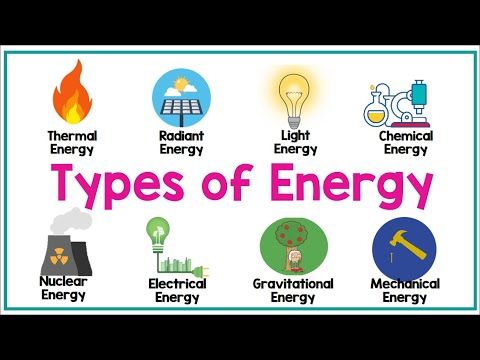
So, let’s chat about energy. It’s like the magic ingredient that makes everything work, from your favorite video game to the lights in your room. There are actually nine main types of energy, and they each have their own unique roles in our world. Here’s a breakdown of what they are and why they matter.
Chemical Energy
This one is all about the stuff stored in our food or in fuels like gasoline. When you eat, your body breaks down food to release this energy, which helps you do everything from running to thinking. It’s kind of like charging up a battery!
Kinetic Energy
Picture yourself zooming down a hill on a bike. That rush you feel? That’s kinetic energy! It’s the energy of movement, and it increases with speed. The faster something moves, the more kinetic energy it has—pretty simple.
Potential Energy
This type of energy is all about position or condition. Like when you’re at the top of that hill before you start riding down, you’ve got potential energy stored up just waiting to be unleashed. It can turn into kinetic energy as soon as you hit that slope.
Thermal Energy
Ever felt warm sunlight on your skin? That’s thermal energy at work! It refers to the internal energy present in a substance due to its temperature. When things heat up, their molecules move around more rapidly, meaning more thermal energy.
Nuclear Energy
Okay, this one might sound intense because it involves atoms! Basically, nuclear energy comes from splitting (or fusing) atomic nuclei. That’s how power plants generate electricity—by harnessing this powerful force hidden within atoms.
Electrical Energy
Think about how we power our gadgets and lights—yup, that’s electrical energy flowing through wires! It’s generated by moving electrons and is crucial for powering virtually everything we use daily.
Sound Energy
You know that feeling when music hits just right? That’s sound energy making waves through the air (literally!). It’s all about vibrations traveling through a medium like air or water to create those sweet tunes we love.
Radiant Energy
This is basically light! Sunlight carries radiant energy that travels through space and warms our planet—super important for life on Earth! Without it, things would be pretty chilly around here.
Mechanical Energy
Last but not least is mechanical energy—the sum of kinetic and potential energies in an object used for doing work. Think of a moving car or a winding clock; both have mechanical energy doing its thing!
In summary: these nine types of energies play critical roles in everyday life—from making dinner to powering cities—and understanding them helps us appreciate how interconnected everything really is! Isn’t that something? So next time you turn on a light or ride your bike downhill, remember all these forms of energy working together!
Exploring Diverse Energy Forms: Scientific Significance and Insights (PDF Download)
So, energy is like that universal currency that powers everything around us, right? You can find it in a million different forms, each with its own unique characteristics and ways it’s used. Let’s take a stroll through some of these diverse energy forms and see why they matter scientifically.
First up, we’ve got kinetic energy. This is the energy of motion. Think about when you’re riding your bike downhill; you feel that rush? That’s kinetic energy in action! It’s super important in physics because it helps explain how objects interact—the faster an object moves, the more kinetic energy it has.
Another interesting one is potential energy, which is all about stored energy. Imagine holding a stretched rubber band or standing at the top of a hill. The higher up you are or the more tension there is in that band, the more potential energy you got. This form of energy plays a massive role in various scientific theories, especially when discussing gravitational forces.
Then there’s thermal energy, which is just heat energy. You know when you touch something hot and it burns your skin? That’s thermal energy transferring from one object to another. Scientifically speaking, this concept leads into thermodynamics—the study of heat transfer—and it’s crucial for understanding how engines work or why ice melts on a sunny day.
Let’s not forget about chemical energy. This one’s hiding in bonds between atoms. When you eat food, your body breaks down those chemical bonds and releases the stored energy to fuel your activities. So every time you’re running or just chilling on the couch, chemical reactions are happening inside you!
Oh! And there’s nuclear energy, which comes from splitting atoms apart (that process is called fission) or joining them together (fusion). It sounds wild, but this form of energy can be incredibly powerful—think about nuclear power plants generating massive amounts of electricity.
Now here comes electromagnetic energy. This one travels through waves and includes everything from visible light to radio waves. Ever noticed how we use microwaves to heat our food? That’s electromagnetic radiation at work! It influences wave theories and is super important for telecommunications.
Finally, there’s gravitational potential energy, which relates to an object’s height above ground level and its mass—like how water behind a dam stores potential due to gravity. It’s fascinating how these different forms intersect with each other; sometimes they convert from one type to another seamlessly!
In science, understanding these various forms helps us tackle real-world problems—from developing renewable energies to improving technology that supports daily life. Each type tells us something different about nature’s mechanics and even provides insights into things like climate change or the quest for sustainable resources.
So next time you’re flipping a switch or heating up food in that microwave, just think: there’s a whole symphony of energies playing behind the scenes! Exploring these diverse forms gives scientists clues on how to innovate and create solutions for our future challenges—pretty cool stuff if you ask me!
Exploring Five Diverse Energy Forms and Their Scientific Significance in Modern Research
Sure! Let’s dig into this whole energy forms thing. Energy is all around us, and it can take on different forms. Each has a unique identity and plays a specific role in science and our daily lives. So, here goes exploring five diverse energy forms that really matter today.
1. Kinetic Energy
This is the energy of motion. You know, when you throw a ball or drive a car? All that moving around involves kinetic energy. The faster something moves, the more kinetic energy it has. Scientists study this to understand things from particle physics to sports dynamics! Like, ever wonder how athletes maximize their speed? Yep, they’re totally using the principles of kinetic energy.
2. Potential Energy
Think of potential energy as stored energy—like food in your fridge or water behind a dam. It’s all about position and condition. When you lift an object, say a book, you give it potential energy just by raising it up high! If it falls, that potential shifts into kinetic energy as it zooms towards the ground. Understanding this helps engineers design safer buildings and improve renewable resources like hydroelectric power.
3. Thermal Energy
This one’s pretty cool—literally and figuratively! Thermal energy relates to temperature; it’s the energy that comes from heat. Everything has thermal energy because particles are constantly jiggling around like they’re at a dance party! Scientists often look at thermal energy when studying climate change since rising temperatures affect ecosystems globally.
4. Chemical Energy
Chemical reactions are where this form shines! Think about your favorite snacks or how batteries power your gadgets—they’re all about chemical bonds breaking and forming to release or absorb energy. For instance, when you burn wood in a fireplace, you’re releasing stored chemical energy as heat and light through combustion. Researchers tap into this for alternative fuel sources and improving battery technology.
5. Electromagnetic Energy
Finally, we’ve got electromagnetic (EM) energy—this one’s all over our lives! It includes everything from visible light to radio waves and x-rays—you name it! EM waves transport energy through space at lightning speed (well, almost). This is super important for everything from communications to medical imaging techniques that help doctors diagnose patients without invasive procedures.
These five forms of energy don’t just exist in isolation; they often interact with one another in complex ways—kind of like how we navigate life’s challenges with different skills and resources! Modern research digs into these relationships to innovate clean energies or solve big problems like climate change and resource scarcity.
So there you have it—each form plays its part in keeping our world buzzing with activity while driving scientific advances forward in exciting ways!
You know, when we think about energy, it’s kind of mind-blowing how many different forms it can take. I mean, we’re not just talking about the electricity that powers our devices or the gas that fuels our cars. Energy comes in all shapes and sizes!
Take solar energy, for instance. It’s literally everywhere, shining down on us every day. I remember one summer, my family went camping in the mountains. We set up a solar-powered light by our tent. When the sun went down, it lit up our space like magic! That connection we had to something so natural and abundant made me appreciate how powerful the sun really is.
Then there’s wind energy. Have you ever stood on a hill while a strong breeze is blowing? It felt like nature was giving me a gentle push—so refreshing! Wind turbines harness that same force to generate electricity. Pretty cool, right? It’s like turning nature into power without burning fossil fuels.
Speaking of fossil fuels, that’s another major player in the energy game. Oil and coal have historically been the heavyweights for powering industries and homes but they come with huge environmental costs. You can sort of feel a tug-of-war going on between using these resources for convenience now and the serious consequences down the line. Makes you think deeply about sustainability.
And let’s not forget about kinetic energy—what happens when things move! Like when your dog is running after a ball; that energetic little creature is using kinetic energy nonstop! In science labs or roller coasters, understanding motion and energy transformations can be both fun and enlightening.
Oh, and nuclear energy has its own story too! It’s incredibly efficient but also raises questions about safety and waste disposal that can freak people out a bit—like when accidents happen or if you read too much online!
So all these forms of energy intertwine in ways that shape our world significantly. The challenge lies in finding what works best while keeping an eye on how we treat our planet because every choice counts.
It’s fascinating to see how science digs into these diverse forms of energy to help us understand their significance—not just today but for years ahead too! What an adventure it is to explore this topic with all its twists and turns!