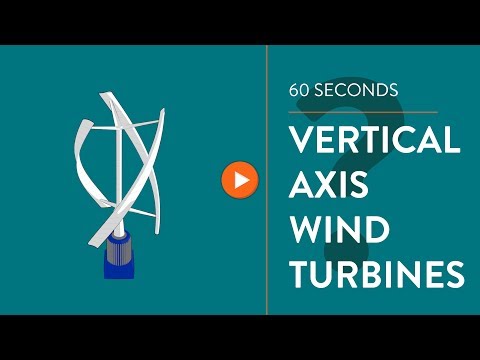
So, imagine this: you’re out for a walk, and you spot a wind turbine that looks like it just hopped out of a sci-fi movie. Seriously, some of these vertical axis wind turbines (VAWTs) are wild! They twist and turn in the wind like they’re dancing.
You’re probably thinking, “What’s up with that?” Well, VAWTs might just be the underdogs of renewable energy. While those big, bulky horizontal turbines get all the glory, these vertical designs are sneaking into the spotlight.
They’re compact, versatile, and can even generate energy from winds coming from different directions! It’s kind of like they’re saying to the wind, “Bring it on!” You know?
But what’s really cool is how people keep dreaming up crazy designs to make them even better. So stick around; we’re about to dive into some of the most innovative ideas shaking things up in the wind energy world!
Exploring Various Vertical Axis Wind Turbine (VAWT) Designs: A Comprehensive Overview in Renewable Energy Science
Alright, so let’s chat about Vertical Axis Wind Turbines (VAWT). These are pretty cool because they spin around a vertical pole rather than the usual horizontal one. Think of them like a giant eggbeater! Seriously, they come in all kinds of shapes and sizes, each with its own perks.
One of the most common designs is the **Darrieus** turbine. This one looks like an eggbeater or sometimes even like a giant bird’s wings. It’s designed to catch the wind from any direction, which is super handy if you live in a place where the wind doesn’t always blow the same way. The blades are usually curved and can be really efficient at converting wind energy into power.
Then there’s the **Savonius** turbine, which is totally different. This one’s more about simplicity and low-speed winds. Picture two scoops facing opposite ways that capture the wind from all sides. They might not be as efficient as their Darrieus cousins, but they do generate torque well at lower speeds—so, perfect for smaller scale energy needs or urban settings.
And then you have something called **helical turbines**. Now that one’s got a bit of a twist—literally! The blades are shaped in a spiral, which allows for smoother airflow and less drag. It’s kind of like how water flows around rocks in a stream; it works better when it’s smooth.
Now, what makes VAWTs special? Well, for one thing, they’re often quieter than traditional turbines—which can be a big deal if you live close to one! Plus, they typically have less impact on birds, so environmentalists appreciate them more.
Despite their advantages, VAWTs aren’t without challenges. For example:
- Lower efficiency: They tend to be less efficient than horizontal axis turbines.
- Structural stress: The vertical design can put more stress on certain parts.
But look—it’s not all bad news! With technology constantly evolving, engineers are looking to tackle these challenges. Some newer designs even incorporate smart materials, which could make these turbines lighter and more durable.
You know what? I remember reading about an innovative project that combined VAWTs with urban architecture—a building was fitted with small turbines integrated into its design! So now it produces some of its own energy while looking stylish at the same time!
In summary, Vertical Axis Wind Turbines bring a unique twist to renewable energy solutions. Their various designs cater to different environments and needs while showing promise for future innovations in harnessing wind power effectively and responsibly. So next time you’re out and about—in windy locations or near modern architecture—keep an eye out for these fascinating machines spinning away!
Exploring Innovations in Wind Turbine Technology: Advancements in Renewable Energy Science
Wind turbines have been around for quite a while now, but the landscape is changing fast. If you take a peek at innovations in wind turbine technology, especially with vertical axis wind turbines (VAWTs), you’ll find some pretty exciting stuff happening. These designs are shaking things up, and they’re worth chatting about.
Vertical Axis Wind Turbines offer a unique twist on the traditional horizontal axis models you’re probably familiar with. Think of them like giant eggbeaters spinning in the wind! Their shape allows them to catch wind from any direction, which is super helpful because, well, the wind doesn’t always blow in a straight line.
One of the coolest advancements is how these VAWTs are becoming more efficient. New materials and designs are making them lighter yet stronger. Imagine using less energy to create more power—that’s basically what’s happening here! Engineers are experimenting with different blade shapes and sizes to optimize performance even further.
Another exciting factor is their smaller footprint. VAWTs don’t need as much space as traditional turbines. This means they can be installed in urban areas or on rooftops without taking up too much room or disrupting the landscape. So picture this: your apartment building has a little wind turbine on top helping to power it! Neat, right?
But wait, there’s more! The installation and maintenance of these devices are getting easier too. With fewer moving parts compared to horizontal models, VAWTs can be simpler to manage. Less wear and tear mean lower costs over time—who wouldn’t want that?
Also worth mentioning is how noisy these guys tend to be compared to their horizontal counterparts. That’s a big plus for folks living nearby who don’t want their peace interrupted by loud whooshing sounds.
So why does all this matter? Wind energy is clean and renewable—no emissions or pollution involved! By enhancing the design of vertical axis turbines, we’re making it easier for cities and communities to adopt wind energy solutions that actually fit into their lifestyles.
To wrap it up, if you think about where we’re heading with renewable energy science, those vertical axis wind turbines could play a vital role in shaping our clean energy future. As we innovate further in this field, you’ll probably see even more surprising designs popping up everywhere. It’s exciting stuff when innovation meets sustainability—really gets you pumped for what’s next!
Exploring the Underlying Factors Behind the Limited Adoption of Vertical Axis Wind Turbines in Renewable Energy Science
So, let’s talk about vertical axis wind turbines (VAWTs) for a minute. You might have seen them around, those quirky-looking wind turbines that spin around a vertical pole. They’re pretty innovative and all, but the truth is, they haven’t really taken off like you’d think in the renewable energy world. Why is that?
First off, one major factor is efficiency. VAWTs are typically less efficient than their horizontal axis counterparts (the ones we usually see on wind farms). When wind blows over a VAWT, it doesn’t harness as much energy compared to how a horizontal turbine captures it. This inefficiency can lead to concerns about whether investing in VAWTs makes sense financially.
Then there’s design limitations. Although VAWTs come with some unique perks—like being less affected by wind direction—they also tend to have lower maximum power outputs. This can make them less appealing for large-scale energy projects. So, if you’re trying to power a whole town or something, you might lean toward the more conventional designs.
Aerodynamic issues play a role too! The blades of VAWTs don’t always perform well at high speeds or during turbulent conditions. They might be great for urban settings where the wind is less predictable, but when it comes to open fields with strong gusts? Not ideal.
- Noise and vibration: Some designs create vibrations that can get annoying over time—imagine living next to one!
- Maintenance challenges: While they can be simpler to maintain in some ways, others require frequent checks due to their complex structure.
- Aesthetic concerns: Let’s face it: not everyone loves how they look compared to traditional turbines. This can impact local support and acceptance.
You know what else? There’s also the issue of market presence. Horizontal axis wind turbines have been around longer and are backed by established manufacturers with better resources for research and development. Basically, they’ve built up a reputation and trust in the market that VAWTs are still trying to catch up with.
This isn’t just technical stuff either; there’s an emotional component too! Picture someone who grew up seeing those big blades spinning majestically on the horizon—there’s a sort of nostalgia and familiarity attached there. It’s hard to get folks excited about something that looks different when what they’re used to feels so reliable.
You follow me? Overall, while vertical axis wind turbines bring some cool innovations to the table—like being quieter or potentially more suited for urban environments—they face significant hurdles. That combination of efficiency issues, design quirks, market dynamics, and public perception creates a bit of an uphill battle for these innovative machines in the renewable energy sector.
The future could be bright though! As technology improves and we learn more from experiments with VAWTs, who knows? Maybe these unique turbines will start carving out their own niche in our global push toward cleaner energy sources!
So, vertical axis wind turbines, huh? They’re kinda like the cool cousins of the more common horizontal axis ones you usually see. Picture this: instead of spinning around a horizontal shaft, these guys have a vertical shaft. It’s pretty neat! The design allows them to catch wind from any direction. So, if the wind decides to play games and change its mind, these turbines are totally ready for that.
I remember visiting a small coastal town one summer, where they installed some of these vertical axis beauties. It was a breezy day, and those turbines were just spinning away like pros. The locals were super excited about them since they not only generate power but also look sort of futuristic. I mean, who wouldn’t want to see giant sculptures of energy in their backyard?
The thing is, these designs can be really innovative. Some models look like giant egg beaters or even abstract art pieces. And while they might not be as efficient as their horizontal counterparts in an open field with strong winds, they’re perfect for urban environments or places where space is tight.
But there’s more! Because their center of gravity is lower, they’re often sturdier and can withstand extreme weather better than other designs. That means less maintenance too—win-win!
And hey, let’s not forget about accessibility. These turbines are often easier to install and maintain because you don’t need fancy equipment to reach up high like with horizontal ones. You just work with what you got at ground level.
So yeah, while vertical axis wind turbines might not rule the world yet (who knows what the future holds?), they’re pretty fascinating pieces of technology that could change how we think about renewable energy in different settings. Just goes to show how creativity in design can lead to new solutions we didn’t really consider before!