You know that moment when you forget where you left your keys? Yeah, I totally understand. It’s like your brain just hits pause for no reason. But what if I told you there’s so much more going on in there? Seriously, our brains are like these crazy, intricate machines we’re still figuring out.
Neuroscience has been making some wild strides lately. Researchers are unraveling mysteries of how our brains work, and it’s honestly a bit mind-blowing! Like, think about it—what if we could actually train our brains to be better at remembering things or understanding emotions?
But here’s the kicker: all these advancements aren’t just cool science facts. They actually have big-time implications for our society. Understanding how our minds tick could change everything from education to mental health treatment.
So buckle up! Let’s chat about the fascinating world of neuroscience and why it matters to us all.
Exploring the Societal Implications of Neuroscience: Transforming Our Understanding of Science and Human Behavior
Neuroscience is super interesting, isn’t it? It’s all about understanding the brain and nervous system, which are basically the command centers of our thoughts, feelings, and behaviors. And as we make more advancements in this field, it really starts to change how we see ourselves as humans.
First off, let’s talk about how neuroscience can change mental health treatment. With new techniques like brain imaging and neurofeedback, doctors are getting better at diagnosing mental illnesses. Imagine being able to see how your brain reacts to stress or anxiety in real time. This kind of info not only helps in personalizing treatment but also erases some of the guesswork that used to come with psychology.
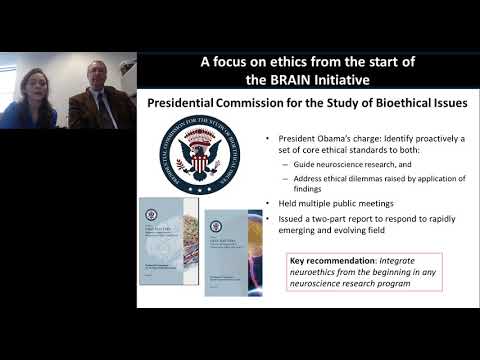
Then there’s the ethical side of things. Have you heard about neuroethics? It’s this growing field that dives into the moral implications of neuroscience research and its applications. Like, if we can read thoughts or influence decisions through brain stimulation, where do we draw the line? It gets a bit murky! The thing is, a lot of people worry about privacy issues when it comes to our minds being opened up for study.
Another area that’s changing is education. Neuroscience research into how kids learn could totally flip traditional teaching methods on their heads. For instance, if scientists find that certain types of learning are better for specific age groups or cognitive styles, schools might embrace those findings and reshape curriculums accordingly. Kids wouldn’t just be cramming information; they’d actually be learning in a way that matches how their brains work best.
And how cool would it be if we could understand biases better? Our brains often take shortcuts because they’re wired for efficiency, which can lead to prejudices without us even realizing it. Neuroscience reveals these patterns and helps us develop social strategies to combat them. If more people understood this concept, maybe we’d make strides toward inclusivity and empathy—some pretty big goals for society!
Finally, there’s technology integration. Have you noticed all those apps designed for meditation or focus? Many use neuroscience principles based on what researchers know works best for our minds. They can help guide users in managing stress or improving concentration based on actual neurological data! This means your smartphone isn’t just a distraction; it’s potentially a tool for bettering your mental state.
In short, neuroscience isn’t just a bunch of brainy folks in lab coats doing experiments anymore. It’s starting to have a real impact on how we understand everything from education to ethical boundaries in society – it’s like peeling back layers of an onion made from neurons! Each layer reveals something fresh about what makes us tick as humans and opens up discussions about who we want to be going forward together as a community.
So yeah, keep an eye on this field—it’s full of surprises! Every discovery has the potential not just to transform scientific knowledge but also reshape society itself.
Exploring Recent Advances in Neuroscience: Transformations in Brain Research and Technology
Neuroscience is like this never-ending journey into the depths of our brains. You know, it’s where science meets our core humanity. Recently, we’ve seen some really exciting advancements that are completely changing how we think about brain research and its implications on society.
First off, let’s talk about **neuroimaging technologies**. These bad boys have improved so much! Techniques like fMRI and PET scans let researchers peek into our brains while we do stuff—like solving puzzles or even just daydreaming. Imagine getting to watch your brain light up when you think about your favorite pizza! This helps scientists understand which parts are involved in specific functions.
Another giant leap is the **development of brain-computer interfaces (BCIs)**. Seriously cool stuff here! BCIs can allow people to control devices just with their thoughts. Picture someone who can’t move their limbs using only their mind to play video games or even type messages. This isn’t sci-fi; it’s happening now. It opens doors for folks with disabilities, enhancing their independence and quality of life.
Then there’s this whole area called **neuroplasticity**. It refers to how our brains can adapt and reorganize themselves, especially after injuries or during learning. For instance, if you lose some vision in one eye, the brain can sometimes shift the processing to other areas to help compensate for that loss. Isn’t that wild? It means our brains aren’t just static; they’re flexible!
Now, let’s not forget about **advances in understanding mental health disorders**. Research has shown us that conditions like depression and anxiety might be linked to brain chemistry imbalances or structural differences in certain areas of the brain. New treatments are being developed based on these insights, like targeted therapies that aim at specific pathways rather than a one-size-fits-all pill.
However, all these advances come with a side of ethical considerations we can’t ignore! Every time we learn more about how the brain works, it raises questions about privacy and consent—like what happens if someone reads your thoughts? Or how we use this knowledge responsibly in areas such as mental health treatment? There’s a fine line between understanding ourselves better and potentially exploiting that knowledge.
Lastly, let’s touch on **AI’s role in neuroscience**. Artificial intelligence is helping sifting through massive data sets from studies much faster than a human could ever do alone! This capability opens up fresh pathways for discoveries but also leaves us pondering—will machines start understanding us better than ourselves?
So yeah, these advancements in neuroscience are pretty amazing but come wrapped in responsibilities too. Our minds are intricate landscapes begging to be explored further—and each discovery leads not only to more knowledge but also to deeper questions about what it means to be human today.
Exploring Contemporary Advances in Neuroscience: Transformations in the Field of Science
The brain, our amazing control center, is like the universe of our minds. Neuroscience, the study of this complex organ, has seen some serious transformations lately. It’s not just about understanding how we think or feel; it’s opening up a whole new way to interact with ourselves and each other.
One of the coolest advancements has been in **brain imaging technologies**, like fMRI (functional Magnetic Resonance Imaging). Imagine being able to see which parts of your brain light up when you’re thinking about your favorite pizza! This technology helps researchers understand brain functions better and offers insights into disorders like depression and anxiety. It feels pretty wild to think that we can visualize thoughts and emotions, right?
Another biggie is **neuroplasticity**, which is basically the brain’s ability to adapt and change throughout life. You know how when you learn something new, like playing an instrument or a sport, your brain rewires itself? This concept has transformed our understanding of recovery from injuries too. People once thought that brain injuries were a hard stop but now realize that with therapy and practice, the brain can find new ways to function.
Now let’s talk about **neuroscience and artificial intelligence (AI)**. Researchers are combining insights from how our brains work with AI systems. It’s fascinating! By mimicking how we learn and make decisions, AI can become much more efficient at problem-solving tasks. Think about self-driving cars—they’re learning every second thanks to neural networks designed after human brains.
Furthermore, there’s buzzing chatter around **brain-computer interfaces (BCIs)**. These are tech that allows direct communication between your brain and external devices—like typing on a computer just by thinking! Imagine someone who couldn’t move their body being able to control a robotic arm or even communicate through their thoughts alone. It could completely change lives for people with disabilities.
But it’s not all sunshine and rainbows; there’s a darker side too. With these advancements come ethical questions: What happens when we start manipulating memories or emotions? Are we crossing lines into privacy violations? Society needs to be ready for these discussions because they’re coming at us fast.
So yeah, neuroscience isn’t just sitting in labs anymore; it’s changing society as we know it! From enhancing education methods based on how our brains learn best to tackling mental health issues more effectively—the field is evolving quickly.
In summary:
- Brain imaging technologies help visualize thoughts and feelings.
- Neuroplasticity shows us that the brain can heal and adapt.
- AI development benefits from mimicking human decision-making processes.
- Brain-computer interfaces promise new ways for people with disabilities to communicate.
- Ethics around manipulation of thoughts need careful consideration.
So yeah, as neuroscience pushes forward, it’s reshaping not only scientific understanding but also our everyday lives—getting us closer than ever before to unlocking the mysteries within our heads!
Neuroscience is one of those fields that feels like it’s straight out of a sci-fi movie sometimes, right? I mean, think about it. Just a few decades ago, the idea of mapping the human brain seemed impossible. But now, we’re making crazy advancements in understanding how our minds work. It’s like peeling an onion—every layer reveals something new and sometimes makes you tear up a little.
So, what happens when you dig into this treasure chest of knowledge? Well, on one hand, there are these amazing breakthroughs in treating mental health issues. I remember when a friend of mine struggled with anxiety and depression; it was gut-wrenching to watch them take so many different meds with barely any relief. Now, with neuroscience helping to crack the code on brain chemistry, treatments are becoming more personalized and effective. That gives hope to people who feel stuck in their own heads.
But hold on—there’s also a flip side to all this progress. As we learn more about brain functions and behaviors, ethical dilemmas pop up like mushrooms after rain. Imagine if someone could read your thoughts or manipulate your feelings! It makes you wonder: where do we draw the line? It feels like we’re tiptoeing on this tightrope between innovation and potential invasion of privacy or free will.
And then there’s the societal side of things. Neuroscience is opening doors for education too—like tailoring teaching methods based on how students’ brains process information. Isn’t that cool? But then again, think about those who might get left behind if they can’t keep up with tech in this fast-paced world.
So as we celebrate these advancements in neuroscience, let’s not forget to keep pushing for discussions around the ethical implications too. It’s important to remember that while our understanding of the human brain expands, it should serve humanity rather than control or divide us. Balancing progress with moral responsibility? Yeah, that’s the real challenge ahead!