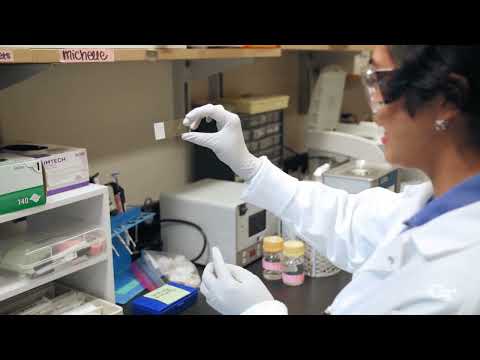
You know that moment when you realize your fridge has a bunch of weird-looking veggies, and you’re not sure how long they’ve been in there? Yeah, me too.
Well, imagine if those veggies had superpowers! Yup, they could help us fight disease or even clean up our environment. Sounds like science fiction, right? But here’s the kicker: biological engineering is making this stuff happen.
It’s not just about crazy lab experiments. It’s about real-world solutions that can change lives. You might be wondering how exactly it all ties together—like, what’s the deal with this innovation thing?
Let’s break it down together. From curing illnesses to creating sustainable food sources, biological engineering is paving the way for a better tomorrow. And trust me, you’ll want to stick around for this one!
Exploring the Key Societal Benefits of Bioengineering: Innovations in Science for a Sustainable Future
In a world that’s all about finding solutions to big problems, **bioengineering** stands out like a bright light. It’s a field that mixes biology with engineering to create amazing innovations. Seriously, think about it! We’re talking about everything from **medicine** to **agriculture**, all aimed at making our lives better and more sustainable.
One major area where bioengineering shines is in healthcare. Imagine being able to grow organs in the lab for transplant! That’s not sci-fi; it’s actually happening. Scientists are using techniques like 3D bioprinting, which is like printing a pizza but with living cells instead of dough and cheese. The key here? It helps address the shortage of donor organs and can significantly improve patients’ lives.
Another fascinating aspect is how bioengineering comes into play with food sustainability. With the world population booming, we need smarter ways to produce food. Enter genetically modified organisms (GMOs). These crops can be designed to resist pests or withstand harsh weather conditions, reducing reliance on chemical pesticides and fertilizers. It sounds like magic, but it’s just clever science working for us!
And let’s not forget about environmental restoration. Bioengineers are helping clean up polluted sites using organisms that can break down toxins. For instance, certain bacteria can eat oil spills or plastics and turn them into harmless substances. That’s pretty incredible, right? It means healthier ecosystems and cleaner environments.
Biodiversity preservation is another biggie. With species going extinct faster than you can say “endangered,” bioengineering offers tools to protect them. From cloning endangered species to preserving genetic materials in seed banks, these techniques are critical for keeping our planet’s biodiversity intact.
Also important is the role bioengineering plays in sustainable energy. Researchers are exploring how algae can produce biofuels—yes, the same stuff that powers some cars today! Algae grow quickly and don’t require much space compared to traditional crops used for fuel; it makes sense for a greener future.
So yeah, when you look at all these areas—healthcare innovations, sustainable agriculture practices, environmental clean-ups, protecting biodiversity, and renewable energy—the benefits of bioengineering are everywhere. Each advancement not only tackles current challenges but also paves the way for a more sustainable future.
In short, whether it helps save lives or cleans up the planet, bioengineering is showing us how science can truly transform society for the better!
The Crucial Role of Engineering Innovations in Advancing Society and Scientific Progress
Engineering innovations play a vital role in driving both societal progress and scientific advancements. It’s kind of like the electricity that powers a house—you can’t really see it, but without it, nothing works. Let’s talk about biological engineering and some cool things happening there.
Biological engineering, or bioengineering for short, blends biology with engineering principles to tackle problems in health, agriculture, and the environment. Basically, it’s about using our understanding of living systems to create solutions that improve life.
One area where bioengineering shines is in medicine. Think about gene therapy. It’s like sending tiny packages of instructions to your body so it can fix itself—super cool, right? For example, researchers have developed therapies to treat genetic disorders by repairing or replacing faulty genes. This isn’t science fiction; people are benefiting from these treatments right now.
And then there’s the world of biotechnology. This includes everything from developing better crops to creating synthetic materials. Imagine crops that resist pests without harmful pesticides—sounds great for farmers and the environment! Innovations like these can lead to healthier food systems while also reducing chemical usage that could harm wildlife and ecosystems.
Plus, let’s look at waste management. Bioengineers are working on ways to break down waste through biological processes instead of just dumping it in landfills. For instance, they’re using bacteria to digest waste materials and convert them into useful products like biofuels. This not only helps clean up our planet but also provides renewable energy sources that we desperately need.
There’s also a huge focus on sustainability. With climate change becoming more pressing, bioengineers are creating solutions that help reduce greenhouse gas emissions. They’re designing microorganisms that can capture carbon dioxide from the atmosphere—like little earth-saving superheroes!
And let’s not forget about their role in developing vaccines and therapeutics. The COVID-19 pandemic highlighted how fast biological innovations could be mobilized for public health needs. Engineers worked tirelessly to create mRNA vaccines at record speed—literally changing the course of history within months!
In essence, engineering innovations, especially in biology, don’t just lead to scientific breakthroughs; they ripple out into society with benefits that touch nearly everyone’s lives. Whether it’s improving health outcomes or finding sustainable solutions for our planet’s problems, these efforts show how crucial engineering is in shaping a better future for all of us.
So yeah, when we think about progress in society, let’s give a nod to those incredible engineers out there who are mixing science with creativity and making magic happen every day!
Exploring Recent Breakthroughs in Bioengineering: Innovations Shaping the Future of Science
So, let’s chat about some really cool stuff happening in bioengineering. You know, bioengineering is like this magical mix of biology and engineering. It’s all about using living systems or organisms to create or modify products and processes. Lately, there have been some seriously exciting breakthroughs that are shaping our future in amazing ways!
One major breakthrough is in the field of synthetic biology. This area involves designing and constructing new biological parts, devices, and systems. It’s like creating a new recipe for life! Scientists can now engineer microbes to produce everything from fuel to medicines. Imagine tiny bugs whipping up insulin for diabetes patients. How incredible is that?
Next up, CRISPR technology. It’s like a pair of molecular scissors that can snip out faulty genes and replace them with healthy ones. This technique has been a game-changer in treating genetic disorders. Remember when someone close to you had that heart-wrenching news about a genetic disease? Well, with CRISPR, there’s real hope for correcting those issues at the root!
Then there’s tissue engineering. Picture this: scientists are growing tissues in labs that can replace damaged organs. They’re using these nifty scaffold structures as a framework for cells to grow on, kind of like giving them a little home! I mean, wouldn’t you want new skin if you had an injury? Or maybe even a new heart someday?
Another fascinating area is biomanufacturing. This isn’t just about making things; it’s about making things sustainably and healthier! Engineers are working on using microbes to produce materials like biodegradable plastics or even building materials made from renewable resources. If we can shift away from those nasty pollutants, we’re on the right track.
Let’s not forget about personalized medicine, which tailors medical treatment to the individual patient. It often uses genetic profiling, which helps doctors choose treatments based on their patient’s unique genetic makeup. Think of it as customizing your favorite pizza with all the toppings you love—only this time it’s your health that gets tailored!
The societal benefits of these innovations are enormous too! With advancements like these:
- Improved healthcare: People could live healthier lives thanks to better treatments.
- Sustainable practices:Bioengineering could lead us towards eco-friendlier manufacturing methods.
- Food security: With engineered crops designed to resist disease and pests, food production could become more efficient.
It almost feels surreal when you think about where we’re headed! These advances get us closer to solving some really big challenges humanity faces today—climate change, health crises, and resource scarcity.
In closing (well kind of—who needs formalities?), as we move forward with bioengineering innovations, the possibilities seem endless! So next time someone mentions CRISPR or tissue engineering at a party (or anywhere else), you’ll know how much they might change our world for good! Cool stuff ahead!
You know, biological engineering is one of those fields that might not get as much hype as, say, artificial intelligence or space travel, but it’s seriously changing the game. I’ve been reading up on it lately and wow, it’s incredible to see how innovations in this area are making real impacts on our lives.
Take genetic engineering, for example. Scientists have figured out ways to modify the DNA of plants and animals. Just think about it! They can create crops that are resistant to pests or can grow in tough climates. I remember my grandma telling me how hard it was to grow tomatoes because of blight – now there are varieties that fight against that very thing. That’s not just cool science; it’s a way to feed more people with less waste. Who wouldn’t want that?
And let’s chat about health care for a second, shall we? This aspect of biological engineering is like something straight out of a sci-fi movie. There are advancements in personalized medicine where treatments are tailored to an individual’s genetics. It’s pretty mind-blowing when you think about how these innovations can lead to more effective therapies with fewer side effects! A friend of mine had this rare condition and after genetic testing, doctors could finally find the right treatment for her. She says she feels like she got her life back – how amazing is that?
Then there’s synthetic biology. It sounds fancy, but at its core, it’s about designing new biological parts and systems from scratch. They’re even creating microorganisms that can produce fuel or clean up oil spills! Isn’t that wild? Just picturing tiny engineered microbes munching on waste and cleaning up our messes feels like something out of a superhero comic.
Of course, all these innovations come with ethical questions too—like who’s monitoring all this technology? What happens if things go wrong? It’s important we talk about those concerns because they matter just as much as the breakthroughs.
In a world where issues like food security and health challenges seem huge, biological engineering holds promising solutions. The societal benefits could be massive: healthier humans and a healthier planet! It just makes you wonder what else is possible when we mix science with creativity and compassion, you know?