Did you know that the Wright brothers’ first flight lasted just 12 seconds? Yeah, I mean, that’s like the time it takes to microwave a bag of popcorn! But look where we are now—launching stuff into space like it’s no big deal.
Aerospace engineering is one of those fields that sounds super cool but can feel kinda out of reach. You know? Like, lots of people think you need a PhD just to figure out how to fix a paper airplane! But here’s the thing: education and outreach in aerospace are evolving and becoming way more accessible than ever.
Think about it. Schools are getting creative with STEM programs, and there are loads of cool workshops popping up. It’s all about getting folks excited about flying higher—literally and figuratively!
So, let’s chat about what’s changing in aerospace engineering education. Trust me, it’s pretty exciting stuff!
Exploring Innovations in Aerospace Science: The Role of the National Institute of Aerospace
Aerospace science is super exciting. It’s all about pushing boundaries in flying technology, space exploration, and aircraft design. One notable player in this field is the National Institute of Aerospace (NIA). They’re known for fostering innovations in aerospace engineering education. So, how do they do this? Let’s break it down a bit.
First off, they provide cutting-edge research opportunities. Researchers and students collaborate on various projects that span everything from new materials for aircraft to improved propulsion systems. Imagine working on a project that could lead to more fuel-efficient airplanes or even help us explore Mars! That’s the kind of stuff that gets people buzzing with excitement.
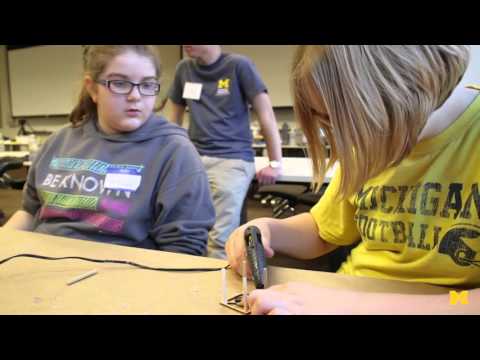
But it’s not just about research. The NIA is also heavily involved in education and outreach. They create programs aimed at younger generations to spark their interest in aerospace careers. You know, sometimes kids just need a little inspiration! Like when I was a kid, I built rockets with my friends using soda bottles and baking soda. That thrill of watching something fly? Priceless! The NIA runs workshops and summer camps where students can actually get hands-on experiences like designing and testing their own mini-planes.
And there’s more! They partner with universities to develop curriculum innovations. This helps ensure that the next wave of aerospace engineers are well-equipped with the latest knowledge and skills they’ll need out there in the field. Courses can cover anything from aerodynamics to systems engineering, making sure graduates are ready for real-world challenges.
Another cool aspect is their involvement with industry collaborations. By linking up with companies, NIA creates pathways for students and researchers to work on projects that have actual market applications. This not only gives practical insights but also bolsters job prospects right after graduation—you follow me?
Now let’s talk tech! Innovations such as 3D printing are making waves in aerospace engineering by enabling faster prototyping of parts. Imagine printing out engine components instead of traditional manufacturing methods—and all this work could be happening thanks to initiatives fueled by organizations like NIA.
Lastly, let’s shine a light on public engagement. Through events like open houses or speaking events featuring high-profile scientists, they bring science right into our communities. It helps demystify aerospace science and shows people how fascinating it really is—like those little kids looking up at clouds dreamily imagining being astronauts someday!
So yeah! The role of the National Institute of Aerospace is pivotal in supporting educational initiatives while driving innovation in the industry through research and collaboration. With every new generation inspired by their programs, who knows what amazing things we’ll see happen next in the world of aerospace? It feels like we’re just getting started!
Advancing Knowledge in Aerospace Engineering: Continuing Education Opportunities for Science Professionals
Well, if you’re into aerospace engineering or just curious about how the field is evolving, there’s a ton of stuff happening out there! Continuing education is super important if you want to keep up with all the innovations and advancements happening.
Aerospace engineering isn’t just about building planes and rockets; it’s constantly changing with new technologies and methodologies. It’s like trying to catch a shooting star while riding a roller coaster – thrilling but also a bit overwhelming!
You might be wondering where to start with continuing education. So here are some options that many pros are exploring:
- Online Courses: There are plenty of platforms now offering specialized courses in aerospace topics. Think about things like computational fluid dynamics or satellite systems! These can sometimes be taken at your own pace, which is pretty neat.
- Workshops and Seminars: Many universities and organizations hold workshops focusing on the latest technology or methods in aerospace. It’s a great way to meet others in your field, share ideas, and learn hands-on techniques!
- Certifications: Certain certifications can really boost your resume. They show that you’ve spent extra time learning about specific areas, like project management in aerospace projects or advanced materials used in aircraft design.
- Networking Events: Joining professional organizations often leads to events where you can expand your knowledge by talking to peers or experts. Sometimes they even have panels discussing current issues faced in the industry!
Just recently, I bumped into an old friend who works on drone technology. She mentioned how her courses kept changing as regulations evolved with consumer drones getting more popular. She had to stay sharp! It’s kind of inspiring when you think about how proactive professionals are out there.
Now, when we talk about aerospace engineering education, innovation is also key. Universities are starting to blend traditional methods with modern tech tools like virtual reality (VR). Imagine designing an aircraft cockpit through VR – that sounds super cool, right? This kind of immersive learning could revolutionize how students grasp complex concepts.
Plus, outreach programs aim at younger generations. Getting kids excited about aerospace early on can create future engineers who think outside the box! Whether it’s through school visits from professionals or hands-on activities in community centers, there’s a lot being done.
Finally, all this growth means you’re looking at an industry that values lifelong learners. Aerospace engineers, whether new graduates or seasoned experts, need to continuously update their skills because the sky (pun intended) really is not the limit anymore!
So remember, staying educated isn’t just necessary; it’s an adventure full of possibilities waiting for you!
Exploring National Aerospace: Innovations and Scientific Advancements in Aeronautics and Space Exploration
Sure thing! Let’s talk about the amazing world of aerospace. I mean, who doesn’t get a little giddy when thinking about rockets and airplanes? So, strap in as we explore some cool stuff happening in aeronautics and space exploration!
Aerospace Engineering Education. This field is all about shaping the next generation of engineers. Universities are now blending traditional studies with hands-on experience. Think virtual simulations where students can design their own aircraft or even rockets! It’s like playing with LEGO, but you know, with rocket science.
Why does this matter? Well, it’s not just about building planes; it’s about fostering creativity and problem-solving skills. Remember that moment when you tried to fix your bike? You probably learned a lot right then. It’s not so different for these students. They’re tackling real-world problems from day one.
Innovations in Aeronautics. Did you realize that modern aircraft are way more efficient than their ancestors? For instance, designs now incorporate lightweight materials and advanced aerodynamics that significantly reduce fuel consumption and emissions. If you’ve seen a bird fly gracefully, engineers study that too! Biomimicry—where nature inspires technology—is really popular among aerospace engineers.
Also, there are super cool concepts like urban air mobility. Picture flying taxis zipping through the sky to avoid traffic jams—a sci-fi dream slowly turning into reality thanks to current research!
Space Exploration Advances. Let’s shift gears because space is where it gets really exciting! Companies like SpaceX and NASA are working hard on reusable rockets—seriously impressive stuff! The idea is to land these rockets back on Earth safely so they can be used again. It dramatically reduces costs for space missions.
And then there’s the Artemis program, aiming to return humans to the Moon by 2024! Imagine standing on lunar soil again after so many years. The best part? This mission is designed not only to land astronauts but also to create a sustainable presence on our Moon, paving the way for future missions to Mars.
Cultivating Interest through Outreach. All these innovations aren’t just for insiders; outreach programs are crucial in getting everyone excited about science! Community workshops show kids how rockets work or let them build small model airplanes out of recycled materials. It’s like sparking that childhood wonder all over again!
Plus, online platforms offer interactive learning experiences for anyone interested in aerospace engineering. You can literally learn about rocket propulsion while sipping coffee at home.
So here you have it—a peek into the thrilling innovations happening in both education and actual engineering within aerospace. It’s groundbreaking, inspiring work being done by passionate individuals who love what they do. Whether you’re dreaming of becoming an astronaut or just interested in better technology for our planet, there’s something happening here for everyone!
You know, when you think about aerospace engineering, it’s easy to picture huge rockets and sleek planes soaring through the sky, right? But what often gets overlooked is how we’re passing on that knowledge to the next generation. Education in this field has really taken off—pun intended!—with some cool innovations that are making learning super accessible and exciting.
Just last week, I stumbled upon a video of middle school students designing their own miniature drones. They looked like they were having a blast! Imagine being that age and already working with technology that is literally built for the sky. It’s not just about textbooks anymore; it’s about hands-on experiences that spark curiosity. Isn’t it amazing how something as simple as building a model can ignite a passion for aerospace?
And let’s not forget the role of outreach programs! Colleges are reaching out to local communities in ways they haven’t before. Workshops, summer camps, even online courses… it’s like they’re throwing open the doors and inviting everyone in. I remember when I was a kid—I had no clue what engineering was really about until someone took me to a science fair. Those kinds of experiences can change lives!
Plus, there’s also this big push towards diversity and inclusion in these programs. Schools are trying hard to attract underrepresented groups into aerospace fields. And that’s super promising! More voices mean more ideas and innovations. Who knows? The next big invention could come from an unexpected place.
Of course, technology plays a massive role too. Virtual reality simulations let students experience flight without ever leaving the classroom. How cool is that? You can be flying over mountains or navigating through tricky weather all while sitting at your desk. It makes learning feel real and immersive.
But it’s not just about tech; there’s something really powerful in community too. Getting people excited together can build lasting connections with science and engineering fields. Those friendships can create collaborative projects down the line or even inspire someone to pursue a career they never thought possible.
In short, innovations in aerospace education aren’t just changing how we learn—they’re reshaping who gets involved too! We’re creating future engineers who could very well change our world or take us beyond it entirely. And honestly, doesn’t that make you feel hopeful about where we’re headed?