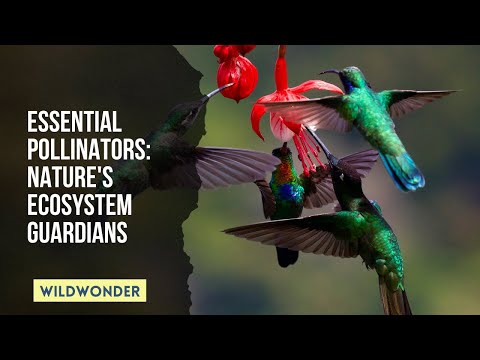
You know that moment when you’re outside on a sunny day, and there’s a bee buzzing by your ear? It’s kind of annoying, but also kind of magical, right? It’s like nature’s little reminder that things are happening all around us.
Those tiny creatures are way more important than we might think. Seriously! They do a lot more than just bugging us as we enjoy our iced coffees. Pollinators like bees, butterflies, and even some birds are basically the unsung heroes of our ecosystems and agriculture.
Without them, we’d be in big trouble. Imagine a world without apples or tomatoes. Yikes! Many of the foods we love depend on these little pollinator pals. So yeah, those buzzing buddies play a huge role in keeping our planet thriving.
Let’s chat about why pollination is such a big deal for both nature and what ends up on our plates. You ready?
The Crucial Role of Pollination in Ecosystem Health and Biodiversity
Pollination is an essential process that not only supports plant reproduction but also plays a major role in maintaining ecosystem health and biodiversity. It’s kind of like the unsung hero of nature, you know? Think about it: without pollinators like bees, butterflies, and even some birds, many plants would struggle to reproduce. And this isn’t just about pretty flowers.
In fact, over 75% of flowering plants rely on animal pollination. That includes a massive variety of fruits, vegetables, and nuts that we consume every day. Imagine your morning smoothie without berries or your favorite salad missing those crunchy almonds! When these pollinators do their thing by transferring pollen from one flower to another, they help fertilize plants. This is crucial for producing the seeds and fruit we depend on for food.
But it’s not just agriculture that benefits—pollination keeps ecosystems healthy too. Here’s how:
- Plant Diversity: Pollinators help maintain a wide variety of plant species in natural habitats. This diversity is vital because it creates resilience against diseases and environmental changes.
- Food Webs: Many animals rely on fruiting plants for food. For example, birds eat berries while mammals might munch on nuts. If pollinators are gone, those plants may disappear too!
- Habitat Stability: Diverse plant life contributes to stable habitats where other organisms can thrive. More types of plants mean more spaces for wildlife to live.
You might find it touching how nature works together like this. A personal story comes to mind: I once planted a small garden filled with sunflowers and tomatoes. At first, nothing seemed to happen—until one sunny day when bees buzzed in! Suddenly my garden was full of vibrant colors and lovely fruits sprouting everywhere! It showed me directly how important these little creatures are.
Now here’s something you might not realize—pollination isn’t just about honeybees buzzing around (though they’re super important!). There are other creatures involved as well:
- Butterflies: These fluttery friends can be serious pollinators for numerous wildflowers.
- Bats: Believe it or not, some bats help pollinate agave plants—a key ingredient in tequila!
- Moths: Nighttime visitors that help with the nighttime blooms of certain flowers.
So when we think about biodiversity, we’re talking about all these interactions between species and their environment that rely heavily on successful pollination.
However, the situation isn’t all sunshine and daisies. The decline in pollinator populations is alarming. Habitat loss due to urbanization or agriculture greatly affects their availability. In addition, pesticides can have harmful effects on these crucial species.
And if you think about it—losing our pollinators could seriously disrupt our entire food system along with natural ecosystems! It’s scary to think what could happen if we don’t take action now.
To wrap this up (without sounding too preachy), supporting pollinator populations can be as simple as planting native flowers in your yard or avoiding harmful pesticides when gardening. Small actions contribute significantly towards keeping our ecosystem robust!
In a nutshell: whether you’re sipping coffee or enjoying fruit salad, remember that behind all these simple pleasures lies the intricate dance of pollinators playing a vital role in every bite we take and every breath we share with nature.
The Role of Bee Pollination in Enhancing Food Production and Agricultural Sustainability
You know, bees are like those unsung heroes buzzing around our gardens and farms. Seriously, without them, our food production would take a massive hit. Let’s break it down a bit!
Pollination is basically the process where pollen from the male part of a flower gets transferred to the female part. This is what helps plants produce seeds and fruits. But guess who does most of that heavy lifting? Yep, bees! They’re responsible for about 80% of all pollination in flowering plants. Pretty impressive, huh?
When these little guys fly from flower to flower in search of nectar—yummy stuff for their honey—they inadvertently carry pollen along with them. This means they help fertilize plants. Imagine your garden flourishing with juicy tomatoes, crunchy apples, and vibrant flowers all thanks to hardworking bees.
- Diversity in Crops: Bees help diversify crops by pollinating different species. That diversity is crucial for soil health and pest resistance.
- Higher Yields: Farms with bee populations usually see higher yields. Studies have shown that fruit trees can produce up to 60% more fruit when bees are around!
- Sustainable Practices: By enhancing plant reproduction and health, bee pollination reduces the need for fertilizers and pesticides over time.
A couple of years back, I visited a local farm where they kept beehives right next to their vegetable fields. The owner told me how much more vibrant his crops were since he introduced bees onto his land. He raved about how the tomatoes were juicier and the peppers had more flavor! That’s like nature giving you a high-five!
You might be thinking about what could happen if we lost our bee populations (and believe me, it’s a scary thought). Without them, many plants would struggle to reproduce—and not just food crops! Our entire ecosystem could face serious disruptions.
The thing is that we can’t overlook their role in agriculture either—it’s not just about feeding ourselves; it’s about creating sustainable farming practices that protect our planet too. Farmers who prioritize pollinator habitats can maintain healthier soil and ecosystems overall.
If you love your fruits and veggies (who doesn’t?), it’s worth considering how you can support these cute little buzzers! Planting wildflowers or avoiding pesticides in your garden can make a difference.
In short: bees are not just charming additions to our gardens; they’re vital cogs in the wheel of food production and environmental wellness. So next time you see one buzzing around a flower, take a moment to appreciate its hard work!
The Economic Impact of Pollination: Understanding Its Crucial Role in Agriculture and Ecosystems
Pollination is way more important than most of us realize. Seriously, it’s like the unsung hero of our food system and the health of ecosystems. Without it, our plates would look pretty bare, and many plants wouldn’t survive.
So, what’s the deal with pollination? Well, it’s mostly carried out by insects—think bees, butterflies, and even some birds. These little creatures transfer pollen from one flower to another, helping plants reproduce. This process isn’t just vital for the plants themselves; it also directly affects agriculture and the economy.
Let’s break this down a bit:
- Agricultural Output: Pollination boosts crop yields significantly. Over 75% of the world’s flowering plants depend on animal pollinators for reproduction. That’s a huge chunk! If you think about crops like apples, almonds, and tomatoes—these fruits and veggies rely heavily on bees and other pollinators to grow.
- Economic Contribution: The economic value of pollination is staggering. In the United States alone, it’s estimated to be worth about $15 billion annually in increased crop production. Just imagine what that means for farmers’ incomes! More flowers mean more fruits and veggies at the market.
- Diverse Ecosystems: Pollination helps maintain biodiversity. Plants that are pollinated produce seeds that grow into new plants. This not only supports local wildlife but also contributes to ecosystem stability. Healthy ecosystems are vital for clean air and water as well.
- Cultural Significance: Many cultures around the world hold certain plants dear which depend on pollination—for food or even medicinal purposes. Losing these plants could mean losing important parts of cultural heritage.
It’s kind of sad when you think about how much pressure these little guys are under today. Habitat loss, pesticides, climate change; you name it—all these factors threaten their populations.
You know that feeling when you bite into a juicy piece of fruit? There’s a whole world behind that moment! Every piece we enjoy is thanks to those hardworking pollinators doing their thing in nature.
And here’s something cool: orchards that have healthy bee populations can produce up to **two times** as many fruits compared to those without them! That’s actually pretty mind-blowing!
So next time you munch on a sweet apple or fresh strawberries, remember there’s an entire ecosystem working hard so you can enjoy those yummy bites. It’s wild how interconnected we all are in this big ol’ web of life!
You know, I was wandering through a garden the other day, and it really hit me just how essential those little buzzing bees and fluttering butterflies are to our world. Seriously, without pollinators, things would look pretty bleak out there.
Pollination’s like that harmony in a song—it might not always be in the spotlight, but it makes everything sound so much better. When plants release their pollen, it’s kind of like they’re throwing a party and inviting all the insects. The pollinators swing by for snacks (you know, nectar) and while they’re munching away, they pick up some pollen on their bodies. Then off they go to another flower, spreading that pollen around like confetti. It’s a win-win! Plants get fertilized, and pollinators get fed.
What really blows my mind is how this process impacts whole ecosystems. Think about it: every fruit you love—like strawberries or apples—starts with pollination. Without bees buzzing around doing their thing, we’d be left with far fewer delicious options at the market. And that means not just fewer desserts for us but also less food for animals that depend on these plants.
Then there’s agriculture. Farmers rely heavily on these tiny creatures to produce crops efficiently. In fact, some studies say about one-third of the food we eat depends on animal pollination! Imagine if you woke up one morning and your breakfast options were suddenly cut down to just plain bread because all those fruits were gone! Ugh!
I remember my first time trying to grow tomatoes in my backyard; I thought I could just plant them and wait for them to grow bigger. Turns out, I needed those little critters buzzing around to help me get juicy tomatoes! It was like an unexpected lesson in nature’s teamwork.
But here’s the kicker: these vital pollinators are facing some serious challenges these days—habitat loss, pesticides, climate change… you name it. It can feel overwhelming sometimes thinking about how interconnected everything is in nature and how fragile our ecosystems can be.
So yeah, next time you see a bee or butterfly fluttering by while you’re enjoying your sandwich at lunch or picking flowers in your yard, take a moment to appreciate their hard work! They’re not just cute; they’re crucial players in keeping our world blooming and thriving!