You know that moment when you bite into a juicy, perfect tomato and think, “How did this thing get so good?” Well, let me tell you, there’s a whole world behind that delicious fruit.
Seriously, take a minute to appreciate how much science has changed the game in farming. GMOs—yep, genetically modified organisms—are sneaky little wonders that have popped up in our food supply. And they’re way more common than you might think!
I remember this one time at a potluck. Someone brought corn on the cob that was so sweet I thought it was candy! Turns out it was GMO corn. It made me realize how many amazing things come from tweaking crops just a bit to make them better for us.
So, what’s all the fuss about GMOs? Let’s explore some of the notable examples that have become staples on our plates today. You might be surprised by what you find!
Exploring Genetically Modified Organisms in Agriculture: Key Examples and Their Scientific Impact
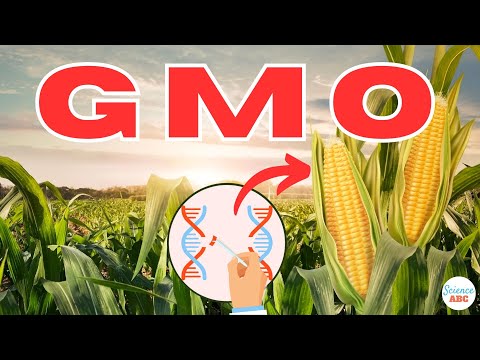
- Genetically Modified Organisms (GMOs) are living organisms whose genetic material has been altered through genetic engineering. This process is like giving plants and crops a little superhero upgrade, you know? Scientists can add, remove, or modify specific genes to achieve desirable qualities like pest resistance or improved nutrition.
- In agriculture, GMOs have made a significant impact. One notable example is Bt cotton. This variety has been engineered to include a gene from a bacterium called Bacillus thuringiensis. That gene produces a protein that’s toxic to certain pests, like caterpillars. Farmers using Bt cotton often see reduced pest damage and lower pesticide use—it’s kind of like having a built-in pest control system!
- Another interesting example is Golden Rice. This variety was modified to produce beta-carotene, which converts to vitamin A in our bodies. In areas where people don’t get enough vitamin A from their diets, Golden Rice could help combat deficiencies and related health issues. Imagine transforming rice—the staple food for many—into something that can actually support better health!
- Monsanto’s Roundup Ready soybeans are also making waves in agriculture. These beans have been genetically modified to be resistant to glyphosate, an herbicide. This means farmers can spray their fields with glyphosate without hurting the crops. The idea is pretty neat because it helps control weeds more effectively while allowing the soybeans to thrive.
- You might wonder: What are the risks? Like any technology, GMOs come with concerns. Some folks worry about potential long-term impacts on ecosystems or human health. It’s important to weigh these risks against the benefits they can bring, like increased food production and reduced use of chemicals.
- Another angle: GMOs have created discussions around biodiversity and agricultural sustainability. While some believe they could lead to monocultures—where only one type of crop dominates others—others argue that with proper management practices, GMOs might actually support diverse farming systems.
- The scientific community keeps researching these advancements to ensure safety and efficacy. And while debates continue about ethics and regulations surrounding GMOs in various countries, it’s clear they’ve shaped modern agriculture in profound ways.
So yeah, when we talk about genetically modified organisms in agriculture, we’re really discussing how science can reshape food production for our benefit! It’s not just about bigger crops; it’s also about smarter solutions to global challenges like hunger and nutrition deficits.
Examining the GMO Status of Coca-Cola: A Scientific Analysis
So, let’s chat about the GMO status of Coca-Cola. It’s a pretty interesting topic, especially when you consider how much of that bubbly drink we see everywhere. First off, what are GMOs? Well, GMO stands for “genetically modified organisms.” Basically, it’s when scientists tweak the DNA of a plant or animal to make it better in some way—like growing faster or being resistant to pests.
When it comes to Coca-Cola, we often think of the ingredients rather than its genetic makeup. The main sweetener in Coca-Cola varies by region but is usually either **high fructose corn syrup (HFCS)** or sugar (sucrose).
Now, let’s break this down:
- High Fructose Corn Syrup (HFCS): In the U.S., HFCS is super common because it’s cheaper than sugar. This syrup is derived from corn that’s often genetically modified. So yes, many varieties of corn used in HFCS are GMOs.
- Sugar: If you’re drinking a version sweetened with cane sugar, that’s usually not genetically modified. Cane sugar generally comes from plants that are not altered genetically.
- Caffeine: While not a major focus here, caffeine in Coca-Cola typically comes from natural sources like kola nuts or through synthetic means and isn’t related to GMOs.
It’s wild when you think about how prevalent GMOs are in our food supply and beverages! For instance, the U.S. has a significant amount of genetic modification in crops like corn and soybeans. Many products made from these ingredients find their way into our favorite snacks and drinks.
So what does all this mean for Coca-Cola? If you’re sipping on a can that contains HFCS—and let’s be real, most people do—it likely has components sourced from genetically modified corn. But if you opt for a version made with cane sugar instead? You’re steering clear of GMOs.
Thinking back to my childhood, I remember seeing this big billboard advertising a “natural” drink without any artificial stuff—no high-fructose corn syrup or preservatives! It got me thinking about what “natural” really means nowadays because even something like Coke can have complex origins.
To sum it up: if you’re curious about whether your Coca-Cola has GMOs—check out the ingredients list! HFCS probably points you towards genetically modified sources while cane sugar usually doesn’t. It all kind of highlights how important it is to know where our food comes from and what goes into our favorite drinks!
Exploring the Role of GMOs in Modern Agriculture: Impacts, Innovations, and Science Behind Biotechnology
So, let’s chat about GMOs, or genetically modified organisms, and their role in modern agriculture. This topic can get a bit technical, but we can keep it simple. Basically, GMOs are plants or animals whose DNA has been altered to give them certain desirable traits. You know, like making them more resistant to pests or drought.
First off, one of the most significant impacts of GMOs is their ability to boost crop yields. This is super important because the global population is on the rise. More mouths to feed means we need more food! Take Bt corn, for example. It’s modified to produce a protein from the bacterium Bacillus thuringiensis that kills specific pests. Farmers using it often report less damage from insects which leads to higher yields.
Then there’s herbicide tolerance. Some GMOs are engineered so they can survive applications of herbicides that would normally kill other plants. For instance, Roundup Ready soybeans allow farmers to spray for weeds without harming their crops. This has certainly simplified weed management for many farmers but also sparked debates about herbicide use and resistance in weeds.
Now let’s talk about nutritional enhancements. Golden Rice is a famous example here—it’s enriched with Vitamin A and was developed to help combat deficiency in regions where rice is a staple food source. It’s aimed at preventing health issues related to Vitamin A deficiency, especially in kids.
Of course, every silver lining has its cloud. People have various concerns about GMOs. There are worries about potential health risks and environmental impacts like loss of biodiversity or cross-contamination with non-GMO crops. So yeah, while there are benefits like pest resistance and increased food security, it also raises some serious questions.
What really gets me though is how innovation never stops! Researchers continue working on developing new GMO crops that can withstand extreme weather conditions—like those nasty droughts caused by climate change or even crops that could use fewer resources overall.
In terms of regulation and science behind biotechnology, things get pretty strict too! Before any GMO makes its way into our markets, it goes through rigorous testing for safety and effectiveness. They look at many factors including potential allergens or unintended effects on the environment because you want food that won’t make anyone sick!
You see? The world of GMOs is this big conversation between science, agriculture, and society as a whole. There are both positive outcomes and challenges we should think about as we move forward with technologies shaping our meals today—and tomorrow too!
You know, when I think about GMOs, I can’t help but remember a time in my childhood when my grandma took me to her garden. She used to proudly show off her tomatoes. They were big and juicy, bursting with flavor. But then one summer, her tomatoes faced a brutal invasion of pests. It broke her heart watching them suffer. That’s when I first heard about genetically modified organisms – or GMOs – and how they could change the game in agriculture.
Now, GMOs are pretty much plants or animals whose DNA has been altered to give them some kind of edge. Maybe it’s making them resistant to certain pests or diseases, or perhaps helping them thrive in less-than-ideal soil. Take Golden Rice, for example. This rice is engineered to have higher amounts of vitamin A, which is super important for those who don’t get enough nutrients from their diet. In many developing countries, where rice is a staple food, this could help combat malnutrition.
Then there’s Bt corn, which has been modified with a gene from the bacterium Bacillus thuringiensis – basically allowing it to produce its own pest-repelling toxin! Farmers love this because it means they don’t have to spray as many pesticides. Less spraying is better for the environment and keeps costs down too.
But hey, it’s not all sunshine and daisies! There are concerns surrounding GMOs as well. Some people worry about long-term health effects or the impact on biodiversity. It’s like walking a tightrope; we want the benefits but need to tread carefully to avoid potential pitfalls.
What really resonates with me is how GMOs could help feed our growing population if done right. As cities expand and more mouths need feeding, these technological advancements might be essential in ensuring we have enough food on our plates.
So yeah, while there are valid questions about safety and ethics surrounding GMOs in modern agriculture, I think remembering stories like my grandma’s garden can remind us that technology can offer solutions too—if we approach it thoughtfully and responsibly!