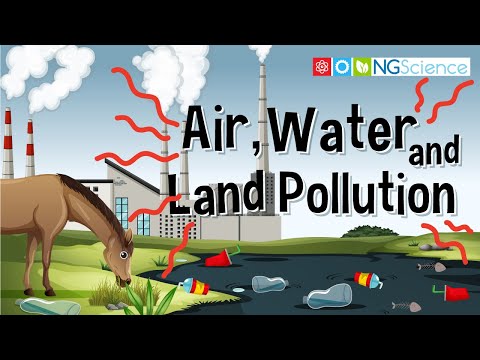
You know that moment when you’re walking through a park, and you see a duck trying to paddle through trash instead of water? Yeah, not exactly what you’d call a peaceful nature scene.
Pollution is all around us, sometimes hiding in plain sight. It’s like that uninvited guest at your party who just won’t leave. You think it’s just an ugly plastic bag floating by, but it’s way more serious than that.
Everywhere we look, there are real-life examples of how pollution messes with our environment. From the oceans to our backyards, it’s a serious concern—yet we often shrug it off like it’s no big deal.
But let’s take a moment to really think about it. Pollution affects everything: the air we breathe, the water we drink, and even our health. So stick around as we dive into some eye-opening stories that show pollution isn’t just an abstract problem; it’s happening right outside your door!
Exploring 5 Key Examples of Pollution: Insights from Environmental Science
Pollution, huh? It’s like a sneaky monster that creeps into our lives and hides in plain sight. Let’s break down five key examples of pollution, so you can get a solid grasp on how it affects our planet.
1. Air Pollution
You know that smoggy haze you sometimes see over big cities? That’s mostly from air pollution. It comes from vehicles, factories, and even wildfires. When the air gets filled with stuff like carbon monoxide and sulfur dioxide, it can lead to serious health problems—think asthma or even heart disease. Ever tried breathing in a busy street? Not so fresh, right?
2. Water Pollution
Imagine going for a swim in a lake only to find it’s full of trash or chemicals. Water pollution is a huge deal! It happens when harmful substances like plastics or pesticides end up in rivers and oceans. Fish and other wildlife suffer because they take in these toxins. Remember that story about the Great Pacific Garbage Patch? It’s a massive area covered with plastic debris, which shows how out of control this problem can get.
3. Soil Pollution
We don’t usually think about the ground beneath our feet as being polluted, but soil pollution is real! When harmful chemicals seep into the soil from things like agricultural runoff or landfills, it messes up ecosystems and can even enter our food supply. Imagine biting into an apple only to realize it has absorbed pesticides from the ground—yikes!
4. Noise Pollution
This one might not seem as drastic as the others, but noise pollution can affect your mental health! From honking cars to loud construction sites, constant noise can cause stress and disrupt sleep patterns. Ever tried to relax with sirens blaring outside? It’s tough! Animals are also impacted; loud sounds can scare them away from their habitats.
5. Light Pollution
Ever noticed how bright city lights make it hard to see stars? That’s called light pollution, and it disrupts natural night cycles for both humans and wildlife. Birds get confused during migration, thinking it’s day when lights shine at night, leading to dangerous situations. Plus, if you’re a stargazer like I am, light pollution totally ruins those beautiful cosmic views!
So there you have it—five types of pollution affecting us right now! Each one plays a role in making our world less healthy for us all. Keeping these examples in mind can help us better understand what we’re up against—and maybe inspire some action along the way!
The Leading Contributor to Global Pollution: An In-Depth Scientific Analysis
Alright, let’s chat about pollution, shall we? When it comes to the big question of what’s really driving pollution in our world, industrial activity takes the cake. You’ve probably seen it on the news or even noticed it in your own backyard. Factories pumping out smoke, chemical runoff from farms—this stuff is everywhere.
The thing is, industries are responsible for a massive chunk of greenhouse gases and toxic substances that mess with our air, water, and soil. It’s not just one type of pollution either; industrial processes contribute to air pollution, water pollution, and even soil degradation. Let’s break this down a bit.
- Air Pollution: This happens when factories release harmful gases like carbon dioxide and sulfur dioxide into the atmosphere. Ever driven through a city smog? Yeah, that’s often from industrial emissions. It’s like breathing in a nasty cocktail.
- Water Pollution: Have you ever gone to a river and seen how murky it is? Industrial waste often ends up in waterways. Factories might dump chemicals directly into rivers or lakes, making it unsafe for wildlife and humans alike. Think about all those fish swimming around there!
- Soil Degradation: Chemicals from industries can seep into the ground, messing up soil quality. This can happen through fertilizer runoff or toxic spills that make the land unusable for farming. Imagine trying to grow veggies in contaminated dirt—it’s not gonna end well!
You might be sitting there thinking, “Okay, but is anything being done?” Well, some progress has been made! There are regulations now that put limits on how much junk can be released into our environment. However, enforcement can be spotty. Sometimes companies cut corners because they see more profit in ignoring rules than following them.
A personal story that really sticks with me involves my trip to a coastal town where I saw firsthand the impact of industrial waste on beautiful beaches. The sand was littered with debris washed up from nearby factories—plastic bits and other trash mixed with nature’s beauty. That moment hit hard; it made me realize just how critical this issue is for both people and ecosystems.
You know what grinds my gears? The fact that all this pollution doesn’t just fade away after we stop producing it; its effects linger for years! Fish contaminated with heavy metals still end up on our dinner plates long after their source has been cut off.
This isn’t just an environmental issue; it’s also human health at stake here. People living near industrial sites often have higher rates of respiratory diseases or other health problems due to poor air quality or contaminated water sources.
In summary: industrial activities are among the leading contributors to global pollution today because they affect every aspect of our environment—from air quality to wildlife habitats—and therefore directly impact human lives as well.
So next time you look around at your environment or enjoy nature’s wonders, think about what role these factories play—and what could happen if we don’t act responsibly!
Exploring Everyday Pollution: Common Examples and Their Scientific Impact on Health and Environment
Pollution is, like, all around us, and it affects our health as well as the environment we live in. Seriously, just stepping outside can expose you to a range of pollutants you might not even think about. That’s why it’s super important to get a grip on what types of pollution we encounter every day.
Air pollution is probably the most common form. Ever noticed that thick haze on a hot day? That’s not just fog; it’s often smog made up of harmful chemicals from cars, factories, and other sources. When you breathe this stuff in, it can lead to serious health issues like asthma or heart problems. In fact, cities with high levels of air pollution have seen an uptick in respiratory diseases.
Water pollution is another big one. Think about all those times you’ve seen litter in rivers or lakes. Plastics break down into tiny pieces called microplastics that fish and other wildlife ingest. This can end up back on your plate when you dine on seafood! But it’s not just plastics; industrial waste and chemicals can seep into waterways and affect drinking water quality too.
- Pesticides: These are used in agriculture but can run off into lakes and rivers during rainstorms.
- Nutrients
- Heavy metals: Things like lead or mercury can find their way into our water supply through industrial discharge or mining activities.
And then there’s soil pollution. Often overlooked, soil gets contaminated with hazardous waste from factories or agricultural runoff containing fertilizers and pesticides. This not only affects plants but also the animals that feed on them—and eventually us too! It’s a chain reaction that impacts food safety.
You might be thinking about how noise pollution fits into this picture. Well, believe it or not, excessive noise—from traffic, construction sites, or loud music—can cause stress-related health issues like hypertension. It’s kind of crazy how something as innocuous as noise can harm us!
If you’re grabbing coffee from your local café and see all those disposable cups stacked up—that’s another layer of the problem! Plastic waste , particularly single-use items, piles up in landfills and oceans every minute of every day. It’s a huge concern for marine life that mistakes plastic for food.
The emotional toll? You know those images of turtles tangled in plastic? They really hit hard because they show the real-life consequences of our habits. It makes you stop and think about the legacy we’re leaving behind for future generations.
The take-home message? Pollution is everywhere—from the air we breathe to the water we drink—and its impact isn’t just environmental; it’s directly tied to our health too. Being aware is half the battle! Understanding where these pollutants come from helps us make more informed choices in our daily lives.
No one wants to live in a polluted world—so start small by reducing waste where you can or opting for greener alternatives when possible! Every little bit can help change this reality for good!
Pollution is like that unwelcome guest who just won’t leave the party. It creeps in when we’re not looking and starts messing with things in a big way. You know, I still remember the first time I saw a beach littered with plastic. I was young, maybe around ten, and my family took a trip to this beautiful coastline. Excited to play in the sand, I was shocked to find more trash than shells. It really hit me then—this stuff doesn’t just magically disappear.
You’ve probably heard about air pollution too. It’s that gray haze hanging over cities, especially during rush hour when everyone’s trying to get somewhere. Take Los Angeles, for example; it used to be so smoggy that you could barely see the mountains! But hey, people are waking up to the issue—more electric cars are on the road now and that’s a step in the right direction!
And let’s talk about water pollution for a second. Ever thought about where our drinking water comes from? It’s wild! In places like Flint, Michigan, people found out their water wasn’t safe because of lead pipes. Can you imagine turning on your tap and finding out it’s toxic? Kind of scary if you ask me.
Then there’s land pollution—landfills spilling over with waste. It’s crazy how much stuff we throw away without thinking twice! All those plastic bags and bottles pile up fast. You know what else? Chemicals from farming can leach into the soil and affect crops, making it a vicious cycle that’s hard to break.
But here’s something cool: folks are fighting back! Community clean-ups are popping up everywhere, and many are embracing recycling more than ever before. People planting trees is like giving Mother Nature a hug—you can almost feel her smiling!
Realistically though, there’s still so much work ahead of us. Each little effort counts; every time you choose reusable over disposable or join an environmental group—it makes waves, trust me!
So yeah, pollution is a mess we’ve made together as humans, but it doesn’t have to stay that way if we all pull together! The changes might seem small individually but combined? They’re powerful enough to turn this ship around. Let’s keep learning and acting; after all, this planet is our home forever!