You know what’s wild? There are actually more microbes in a teaspoon of soil than there are people on the planet. Yup, that tiny scoop is like a bustling city!
Now, imagine harnessing all that microscopic magic to grow our food. Sounds like sci-fi, right? But it’s happening now with bio agriculture.
Picture this: farmers using nature’s own tricks to grow crops sustainably. No crazy chemicals, just good vibes and smart science. That’s pretty cool if you ask me!
So let’s chat about how innovative science is shaking up farming for the better. Seriously, it’s an exciting mix of tech and nature that might just save the day!
Revolutionizing Agriculture: Key Innovations for Sustainable Farming Practices
Revolutionizing agriculture is becoming more than just a catchy phrase; it’s fueled by necessity. As our global population continues to rise, the demand for food skyrockets too. That’s where innovation in sustainable farming practices steps in.
So, what are some of these key innovations? Well, let’s dive into it!
- Precision Agriculture: Think about it like this: instead of treating an entire field the same, farmers can use technology to target specific areas that need help. Drones and sensors collect data on everything from soil health to moisture levels. Farmers can then apply water and nutrients exactly where they’re needed—kind of like giving your houseplants just the right amount of water instead of drenching them all at once!
- Crop Rotation and Diversity: This is like changing up your diet for better health. By rotating different crops each season, farmers keep the soil healthy and reduce pests naturally. For example, planting legumes adds nitrogen back into the soil, which is super important for other crops later on.
- Biodynamic Farming: This one’s a bit more eclectic but really interesting! It’s about treating farms as self-sustaining ecosystems. Using composting, cover crops, and even lunar cycles can help boost farm productivity while keeping things natural. Imagine a tiny universe of plants working together instead of just one crop dominating the scene—it’s kind of beautiful!
- Vertical Farming: You’ve probably seen those stunning images of plants growing in skyscraper setups—yup, that’s vertical farming for you! It allows for food production in urban areas without needing vast amounts of land. Plus, it usually uses less water than traditional farming methods.
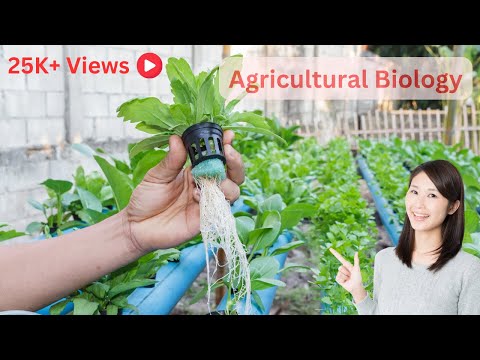
- Aquaponics and Hydroponics: Ever heard of fish farming integrated with plant growth? Aquaponics does just that! Fish waste provides nutrients for the plants while they clean the water for the fish—totally a win-win situation. Hydroponics skips soil entirely; plants grow in nutrient-rich water solutions.
Now let me tell you about my friend Sam who decided to try out urban gardening using hydroponics. He went from having barely any outdoor space to growing fresh lettuce right in his apartment! Every week he would pull out crisp greens he harvested himself. There was something so rewarding about eating food he’d nurtured with his own hands—not just because it’s fresh but also because he was doing his part for sustainable living.
Back to our main topic—these innovations not only help feed more people; they also work toward healing our planet by reducing chemical usage and improving biodiversity. If we keep pushing these boundaries, who knows what amazing progress lies ahead in agriculture? 🌱 So next time you’re munching on that salad or burger, you might be biting into something created by these revolutionary practices!
Exploring the Role of Biotechnology in Advancing Sustainable Agriculture Practices
So, biotechnology in agriculture, huh? It’s a pretty big deal if you think about it. Basically, it’s about using living organisms or parts of them to make farming better and more sustainable. You know? Like making it easier to grow stuff without wrecking the planet.
First off, biotechnology helps develop crops that can withstand harsh conditions. Imagine trying to grow crops in a drought. It’s tough! But with biotech, scientists can tweak plants’ genes so they use less water or resist pests. This means crops can thrive even when things are rough.
Another aspect is reducing chemical usage. Traditional farming often relies heavily on fertilizers and pesticides. With biotechnology, we can create plants that need fewer chemicals. For instance, some genetically modified (GM) plants can produce their natural pest deterrents. This not only helps the environment but also cuts costs for farmers.
Also, let’s not forget about nutritional enhancements. Some biotechnological advances have led to the creation of biofortified crops. These are supercharged with vitamins and minerals that people need but might not get enough of through regular diets. Think Golden Rice; it’s enriched with vitamin A to help combat deficiencies in areas where diets lack it.
And here’s something cool: biotechnology aids in soil health. There are beneficial microbes that we can harness to improve soil quality and fertility naturally. These little guys help break down organic matter and release nutrients into the soil, improving crop yields without synthetic fertilizers.
Oh! And then there’s crop rotation innovations. Farmers have been doing this for ages—switching what they plant each season to keep soil healthy and pests at bay. With biotech tools like predictive modeling, farmers can plan rotations more effectively based on data-driven results! It’s like a smart farming app but for actual plants!
Then there’s the promise of climate resilience. As climate change kicks into higher gear, we need solutions that adapt to weird weather patterns—more floods one year, heat waves the next. Biotechnological advances allow us to breed resilient varieties faster than traditional breeding methods ever could.
Lastly, I gotta mention the role of biotechnology in sustainable pest management. Rather than using harsh chemicals that harm beneficial insects or leach into water supplies—biotech solutions focus on natural mechanisms. Things like creating plants that attract predatory insects help keep pest numbers down while protecting pollinators!
You see? Biotechnology isn’t just some high-tech jargon thrown around by scientists in white coats; it’s about practical solutions for real-world challenges in agriculture! As farmers adopt these innovations, they’re moving towards practices that are kinder on our planet while still producing enough food for all of us.
In wrapping this up—think of biotechnology as a toolkit for sustainable farming; it makes life easier for farmers while being mindful of Mother Earth at the same time! What a win-win situation!
Exploring the 5 P’s of Sustainable Agriculture: A Scientific Perspective
Sustainable agriculture is a fascinating topic that combines science with practical farming techniques. You know, it’s all about growing food in a way that protects the environment and keeps our resources intact. The 5 P’s of sustainable agriculture—**People, Planet, Profit, Practices, and Policy**—are fundamental to understanding how we can achieve sustainability in farming. Let’s break them down.
People are at the heart of sustainable agriculture. Farmers are not just food producers; they are vital community members whose livelihoods depend on healthy farming practices. When farmers adopt sustainable methods, they often improve their own well-being and that of their communities by providing healthier food options and creating jobs. For instance, a small farmer using crop rotation techniques can enhance soil health while producing diverse crops that benefit local markets.
Then there’s the Planet. This refers to the environmental impact of agricultural practices. Sustainable farming aims to minimize harm to ecosystems while maximizing biodiversity. Think about it: when farmers grow crops that are native to their area or use cover crops to prevent soil erosion, they’re not just thinking about today but also about future generations who need healthy land and water.
Moving on to Profit. Now, here’s where things get interesting! You might think sustainable practices cost more upfront, but they can save money in the long run. For example, reducing chemical fertilizers by utilizing compost not only cuts costs but also leads to healthier soils. Farmers who invest in sustainability often find themselves less vulnerable during economic downturns too.
Now let’s talk about Practices. This encompasses all the methods used in sustainable agriculture like integrated pest management or agroforestry. These practices rely heavily on innovative science! By using natural predators instead of chemical pesticides or planting multiple types of crops together (like corn with beans), farmers can create systems where everything works together harmoniously, reducing reliance on artificial inputs.
Lastly, there’s Policy. This part is crucial because it shapes how sustainability is implemented on larger scales. Policies encouraging organic farming or providing incentives for environmentally friendly practices play a huge role in driving change across industries. Governments and organizations can help by crafting regulations that support long-term sustainability goals.
So yeah, when you consider these 5 P’s together—the social aspect with people, environmental care for the planet, economic viability through profit, effective practices based on science, and supportive policies—you get a clearer picture of what sustainable agriculture really means.
It’s like putting together pieces of a puzzle where each piece has its significance but forms a greater picture when combined correctly! And honestly? This creates not just better farms but healthier communities and ecosystems as well!
You know, it seems like every time we turn around, there’s some new idea or tech in agriculture that promises to change the game for the better. I mean, think about it: with all the environmental challenges we face today—climate change, soil depletion, and water scarcity—it’s kind of a big deal when scientists come up with ways to make farming more sustainable.
Like, just last week I was talking to my neighbor who runs a small farm. She was telling me about how she started using biofertilizers made from natural materials instead of those chemical ones. It’s amazing! Not only does it help her soil stay healthy, but it’s also safer for the plants and ultimately for us. You follow me? There’s this whole movement toward using natural processes in farming that can really help reduce our impact on the planet.
And then there’s this cool concept called agroecology. Basically, it mixes agriculture with ecology—farming in a way that mimics how nature works. It’s not just about growing crops; it’s about creating a whole ecosystem! Picture beneficial insects as natural pest controllers instead of reaching for those pesticides. And you know what’s wild? It’s not just good for the environment; farmers who use these methods often find that they save money in the long run because they’re not buying all those chemicals.
But here’s where it gets even more interesting: scientists are working on innovative crops too! Imagine plants that are resistant to pests or can thrive in harsh conditions without needing loads of water. Researchers are playing around with genetics and breeding techniques to create hardier versions of our favorite foods. They’re basically giving farmers tools to adapt to changing climates while still providing us with what we need—like fresh fruits and veggies.
Sometimes I think back to my childhood when I visited my grandparents’ farm. It was all about balance and respect for nature back then—even if they didn’t call it “sustainable.” It feels encouraging to see modern science picking up on those old-school values and running with them. You know?
For me, this isn’t just about science; it’s also personal—it hits close to home when I see how these innovative practices can support local communities while taking care of our planet at the same time. There’s something so hopeful about knowing that we’re moving toward farming that’s kinder to both the earth and ourselves.
So yeah, while challenges remain, it’s heartening (and kinda exciting) to see where innovative science is taking bio agriculture. Sounds like there’s potential for a brighter future ahead!