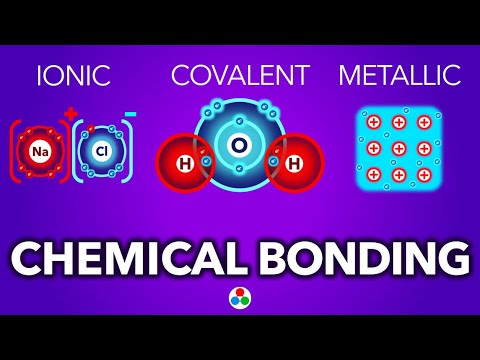
You know that moment when you try to pull apart two pieces of tape and they just won’t budge? It’s like they’re best friends, refusing to let go. That’s kinda like covalent bonds.
They’re the strong relationships between atoms that make up a ton of stuff we use every day. Seriously, you might not think about them while sipping coffee or chopping veggies, but they’re everywhere!
So, let’s chat about some common examples of covalent bonds in our daily lives. You’ll be surprised at how these little connections make a big impact!
Exploring the Role of Covalent Bonds in Everyday Life: Applications in Chemistry and Beyond
Covalent bonds are like the best friends in the world of chemistry; they stick together and share things. Basically, these bonds form when two atoms decide to share their electrons, creating a connection that’s really stable. You can see this happening all around you, in everyday stuff.
So let’s break it down a bit. Covalent bonds play a huge role in forming molecules, like water (H2O) and carbon dioxide (CO2). When you drink water, for instance, the hydrogen atoms are sharing electrons with oxygen. That’s one strong bond that keeps you hydrated!
Here are some common examples of covalent bonds:
- Water: It’s everywhere! Each water molecule consists of two hydrogen atoms bonded to one oxygen atom through covalent bonds.
- Organic Compounds: Many compounds that make up living things, like proteins and DNA, rely on covalent bonding. These compounds create the building blocks for life.
- Methane: The favorite gas for cooking! Methane (CH4) is made when one carbon atom shares its electrons with four hydrogen atoms.
- Sugars: All those sweets we love? They’re composed of covalent molecules. Glucose has multiple covalently bonded carbon, hydrogen, and oxygen atoms working together.
Now, think about how important these bonds are in nature too. Plants use covalent bonds during photosynthesis to turn sunlight into food! They create glucose from carbon dioxide and water through some pretty clever bonding techniques.
And oh man, here’s where it gets interesting: even in technology! Like those little silicone chips in your phone? They’re made from silicon which forms covalent bonds with other silicon or oxygen atoms. This allows electronic devices to function as they do today.
When you’re cooking or enjoying your favorite meal, just remember that all those delicious flavors come down to these molecular connections at play!
So yeah, covalent bonds might be tiny at a molecular level but their impact is enormous in everyday life—from the air we breathe to the food we eat—it’s all about those special electron-sharing friendships!
Understanding Common Covalent Bonds: An Example in Chemistry
Understanding covalent bonds can be like trying to grasp the concept of a team sport. You know, it’s all about working together to get something done. Basically, in chemistry, a **covalent bond** forms when two atoms decide to share their electrons. This kind of bond is super common, especially with nonmetals.
Let’s break it down a bit more. Atoms are like people who want a little bit of stability in their lives. They each have some electrons swirling around them. Some atoms really want to fill up their outer electron shell—kind of like wanting to have a full plate at dinner! When they get together and share electrons, they create that **covalent bond**.
A classic example is **water** (H₂O). In water, one oxygen atom teams up with two hydrogen atoms. The oxygen is pretty greedy—it has eight spots it wants filled—but hydrogen only needs two. So here’s how it works: oxygen shares some of its electrons with hydrogen, and boom! You’ve got water! It’s as if the parents at the playground saw their kids playing nicely together and decided to keep the fun going by sharing toys.
Another everyday example is **carbon dioxide** (CO₂). The carbon atom shares its four outer electrons with two oxygen atoms—one electron for each one—instead of just hoarding them all. It creates a stronger bond that holds everything tightly together. You might think of CO₂ as the chatty molecule; it comes out when we breathe out or when anything burns.
Now about those bonds; there are different types depending on how many pairs of electrons are shared:
Have you ever tried making your smoothie? You need the right balance of fruits for the perfect taste! Covalent bonds work similarly—everything needs balance for stability and function.
These bonds are not just chemistry class material; they’re part of life itself—from the sugar you sweeten your coffee with to DNA that carries genetic instructions. Each time atoms share electrons through covalent bonding, they’re creating something vital and connected.
In summary, covalent bonding is really all about connection—just like friendships or partnerships in life. When our little atoms decide to buddy up and share what they’ve got, they form compounds that make up everything around us! Isn’t it amazing how something so small plays such an essential role in our daily lives?
Exploring Covalent Bonds in Common Household Items: A Science Perspective
Covalent bonds are pretty cool, and they’re basically the glue that holds many of the things around us together. When atoms share electrons, they form covalent bonds. You know how we share playlists or snacks with friends? Atoms do something similar, but with tiny particles called electrons. This sharing can help create everything from water to the food you eat every day.
Water is a classic example. In a water molecule (H2O), each hydrogen atom shares one electron with oxygen. That’s right—two little hydrogen buddies teaming up with a big oxygen to form this essential liquid we all drink. Without those covalent bonds, well, we wouldn’t have water! Imagine cooking without boiling water or making coffee. Yikes!
Now let’s talk about carbon dioxide (CO2). This gas is produced whenever you exhale or when anything burns. Each carbon atom shares its electrons with two oxygen atoms in a kind of partnership that helps keep life on Earth breathing easy. Those covalent bonds are like invisible threads weaving through our atmosphere and impacting our planet’s temperature and climate.
Ever wondered about table sugar? That lovely sweetness comes from sucrose (C12H22O11). In sucrose, several atoms of carbon, hydrogen, and oxygen work together through covalent bonding to create those delicious sugar crystals you toss into your coffee or sprinkle on your pancakes! It’s all about those shared electrons making life just a bit sweeter!
And let’s not forget proteins. These complex molecules are made from amino acids linked by covalent bonds called peptide bonds. They’re like little construction workers building and repairing tissues in your body. So every time you munch on meat or beans, you’re fueling that protein work gang—all thanks to some nifty chemistry happening at the atomic level.
Lastly, don’t overlook plastics. Yep! Those everyday items—like bottles and containers—are often made from polymers that contain long chains of repeating units held together by covalent bonds. Crazy to think how something as simple as your milk jug is built on these powerful little connections between atoms.
So next time you use water for cooking or grab a soda from the fridge, you can appreciate the invisible magic of covalent bonds at work all around you! It’s amazing how these tiny interactions shape our everyday lives in so many delicious and practical ways.
So, let’s chat about covalent bonds. I know, sounds super scientific and maybe a bit boring, but stick with me! They’re actually everywhere in our lives, like that friend who just won’t leave the party. You know what I mean?
Okay, picture this: you’re in the kitchen whipping up a batch of cookies. You’ve got flour, sugar, butter—tasty stuff! Those ingredients are made up of molecules that are held together by covalent bonds. Basically, these bonds are formed when atoms share electrons to fill their outer shells—seriously cool! This sharing makes the molecules really stable and keeps your cookie dough from falling apart.
Then there’s water—yep, H2O—our good ol’ life source. Each molecule of water has two hydrogen atoms bonded to one oxygen atom through covalent bonds. That little connection is what makes water so special and essential for almost everything living on Earth.
And let’s not forget about our DNA! It’s like the instruction manual for life itself. The beautiful double helix structure is formed by covalent bonds between sugar and phosphate backbones as well as within the bases that encode genetic information. So every time you breathe or think or even eat those cookies later, thank those tiny covalent bonds!
I remember my chemistry teacher once said that understanding these bonds is like unlocking a door to a secret world—where everything around us is intimately connected in ways we can’t even see right away. And it totally clicked when I realized how something so small could have such a big impact.
But hey, covalent bonds aren’t just about science class; they influence everything from medicines we take to the air we breathe (not to mention those sweet treats). It’s kind of mind-blowing when you think about how interconnected all this stuff is in our daily lives!
So next time you’re out cooking or just enjoying a glass of water, take a moment to appreciate those invisible connections happening all around you—as simple yet complex as life itself!