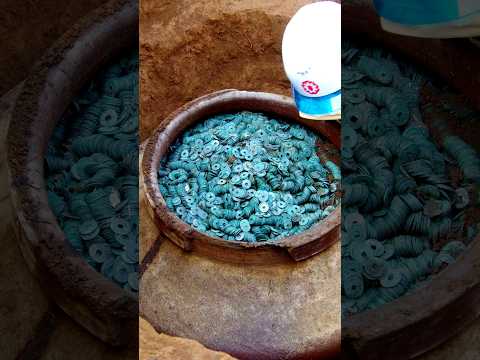
You know those moments when you dig around your backyard and find a weird-looking rock? Well, imagine uncovering ancient tools or pottery instead! That’s what archaeology is all about.
But here’s the kicker: Africa is like a treasure chest for this stuff. Seriously, it’s packed with history just waiting to be explored. Yet, not everyone knows how rich it really is!
So, what’s the deal with advancing African archaeology through outreach? It’s all about getting people pumped up about discovering their own roots and history. Plus, sharing knowledge can shape the future in ways we can’t even imagine.
Let’s chat about how we can open those treasure chests together!
Integrating Scientific Methods into Archaeological Research: Enhancing Discoveries Through Systematic Approaches
When you think of archaeology, you might picture dusty old bones or ancient pottery unearthed from the earth. But there’s a whole lot more going on behind the scenes. Integrating scientific methods into archaeological research can seriously change the game, helping us make discoveries that are way more meaningful.
First off, what does it mean to use scientific methods in archaeology? Well, it’s all about applying systematic approaches to gather evidence and analyze artifacts. You know, instead of just digging up stuff and hoping for the best! It involves techniques like carbon dating, which helps determine how old organic materials are by measuring radioactive decay. This is super important because it gives context to findings—like, was that ancient tool used during a time of war or peace?
Another big player in this field is geographic information systems (GIS). This tech helps archaeologists visualize and interpret data spatially. Imagine having a high-tech map that shows you where artifacts were found in relation to each other. Pretty cool, right? This type of analysis can reveal patterns over time and give insights into how people lived and interacted with their environment.
And let’s not forget about remote sensing. This method uses satellite imagery and aerial photography to identify archaeological sites without even breaking ground. It’s like using Google Earth but for ancient civilizations! With this tech, researchers have discovered lost cities hidden under thick vegetation or even entire complex structures that we might never have known existed otherwise.
Now, consider bioarchaeology, which studies human remains. Techniques like DNA analysis can help us learn about ancestry and disease during past civilizations. Imagine finding out that your ancestors were all about agriculture thousands of years ago! It’s fascinating how much we can learn from bones and teeth when we analyze them scientifically.
In terms of African archaeology specifically, integrating these methods has been crucial in uncovering many rich histories scattered across the continent. For instance:
- Ancient civilizations: Technologies have helped document early societies such as Great Zimbabwe or Mali’s Timbuktu.
- Fossil discoveries: The application of modern techniques has aided in significant finds like Homo naledi.
- Cultural heritage: Systematic approaches ensure that local practices and histories receive proper representation.
These scientific approaches not only enrich our understanding but also help in preserving cultural heritage. By documenting sites properly and applying rigorous standards, archaeologists can advocate for better protection against looting or destruction due to modern development.
So yeah, integrating scientific methods into archaeology isn’t just a trend—it’s a necessity if we genuinely want to grasp our past better. Every little technique aids in piecing together humanity’s complicated puzzle while ensuring the stories buried underneath get told louder than ever before!
Three Pivotal Developments in Scientific Archaeology: Shaping the Modern Approach to Historical Inquiry
So, when you think about archaeology, it’s easy to imagine dusty old bones and ancient artifacts. But there’s actually a lot more going on behind the scenes. Let’s talk about three major developments in scientific archaeology that have really changed how we look at history, especially when it comes to African archaeology.
1. Radiocarbon Dating
Firstly, there’s radiocarbon dating. This is a game changer! Imagine being able to figure out exactly how old something is just by measuring the amount of carbon-14 left in it. Seriously, it helps scientists pin down the age of organic materials like wood or bone up to about 50,000 years old!
For instance, let’s say you’re digging in a site in East Africa and find some ancient charcoal from a fire pit. With radiocarbon dating, you can determine when that fire was burning and better understand human activity during that time period. And trust me, this has helped reshape our knowledge of early human movements across the continent.
2. Geographic Information Systems (GIS)
Next up is Geographic Information Systems or GIS for short—a techy tool that maps data onto geographical locations. It sounds fancy but stick with me here! GIS gives archaeologists an incredible way to visualize patterns across landscapes.
Let’s say you’re looking at ancient settlement patterns in southern Africa. By mapping archaeological sites along with environmental data like plant life or water sources, you can see how ancient communities interacted with their environment over time. It brings a whole new layer of understanding to movements and choices made by past societies.
3. DNA Analysis
Now, let’s step into the future with DNA analysis! This isn’t just for solving modern crimes; it works wonders in archaeology too—incredibly so for reconstructing past populations and migrations.
For example, analyzing DNA from ancient remains allows researchers to connect historical populations to modern groups—kind of like a family reunion across thousands of years! In Africa specifically, this has revealed fascinating insights into where people originated from and how they spread out across different regions.
So there you have it: radiocarbon dating helps date findings accurately; GIS visualizes archaeological trends; and DNA analysis connects us with our ancestors in ways we never thought possible! All these developments are not only shaping modern inquiry into history but are also empowering scientists across Africa to explore their rich heritage more deeply than ever before.
These innovations remind us that history isn’t stale—it’s alive and evolving right before our eyes!
Top Countries for Studying Archaeology: A Comprehensive Guide for Aspiring Archaeologists
So, you’re curious about studying archaeology in different countries? That’s awesome! Archaeology is more than just digging up old stuff; it’s like a time-travel adventure where you get to piece together human history. But where should you go to learn the ropes? Let’s break down some of the top spots for aspiring archaeologists.
1. Egypt is a biggie! Seriously, the ancient pyramids, tombs, and temples are just waiting for you to explore them. Plus, it has a rich history with plenty of scholarly resources. Learning here means not only studying artifacts but also soaking up the culture that has survived millennia.
2. Greece is another fantastic location. Picture yourself wandering through ancient ruins like the Acropolis or Delphi. The combination of stunning landscapes and historic sites makes it a dream spot for students. Many universities offer programs that blend theory with hands-on experience at these archaeological sites.
3. Italy, well, where do I even start? The Colosseum, Pompeii… it’s like history on every corner! Italian universities have excellent archaeology programs too, often focused on classical studies and art history.
4. The United Kingdom has some top-notch schools like Cambridge and Oxford that offer specialized archaeology courses. And not just about ancient Rome or Greece; you’ll delve into local historical contexts too, including medieval sites and prehistoric Britain!
5. Turkey is often overlooked but it’s a treasure trove of archaeological wonders—think Troy and Ephesus! Studying here could really enrich your understanding of early civilizations because Turkey sits at the crossroads between East and West.
Africa, specifically places like South Africa, is gaining ground in the archaeological field too. Projects focusing on early human origins are becoming more prominent there; it’s incredibly enriching if you’re into anthropology as well as archaeology.
But what makes these countries stand out? Well, each one offers unique educational experiences through field schools, internships, and collaborative projects with experienced archaeologists who can help hone your skills.
- The cultural immersion in these countries can make learning feel alive!
- The collaboration between universities and museums enhances research opportunities.
- You get access to world-class archaeological sites!
- The diverse perspectives from various academic communities contribute to a broader understanding of archaeology as a whole.
Your experience can be influenced by how these programs embrace local heritage while integrating modern scientific methods too—like using technology in excavation or preservation techniques!
If you’re thinking about advancing African archaeology specifically through outreach programs that bridge gaps in knowledge or access, look for partnerships that aim to educate local communities about their own histories while fostering respect for cultural heritage.
The thing is: no matter where you choose to study, get ready for an adventure rich in culture and learning as you dive into the fascinating world of archaeology!
Imagine wandering through the hot, dusty plains of Africa, stepping in the same spots our ancestors did thousands of years ago. There’s something magical about that. You know, the history embedded in the soil and the stories waiting to be uncovered. It’s like a treasure map, but instead of gold coins, you find ancient tools or pottery that can tell us more about who we were.
Now, African archaeology has this incredible potential to shed light on humanity’s past. There are so many amazing sites here—like the rock art in Tanzania or ancient pyramids in Egypt—but still, many folks don’t really know much about them. This is where scientific outreach comes into play. It’s like being a bridge between academics and everyone else. You want to get people excited about what lies beneath their feet.
Picture this: a kid from a small village hears about how scientists are learning from those rocks and ruins nearby. Just think! That kid could start asking questions—how old are these things? What do they mean? Wouldn’t it be awesome if they became an archaeologist someday? That spark of curiosity can lead to something bigger than all of us.
The challenges can seem daunting though. Funding is often tight, and there’s a need for local participation to ensure that knowledge doesn’t just float over from outside experts. It’s got to be a two-way street, right? So when archaeologists collaborate with local communities—sharing knowledge and giving them ownership over their heritage—it not only empowers those communities but also enriches archaeological research itself.
I remember chatting with an archaeologist who spent years digging at an ancient site in Kenya. He told me how involving local youth changed everything for him! They brought fresh ideas and perspectives he would have never thought of on his own. And honestly? That kind of collaboration not only leads to better science but also honors the cultural significance of these discoveries.
Advancing African archaeology through outreach isn’t just about digging up old bones—it’s reshaping identities and creating connections across generations. By igniting passion for heritage, we can inspire young minds to continue this legacy while respecting their roots. It feels like uniting the past with the future; not just as spectators but as active participants in telling our shared story.
So yeah, let’s keep exploring together! Because every artifact uncovered tells us more than just history; it brings us closer as global citizens learning from one another’s journeys through time and culture.