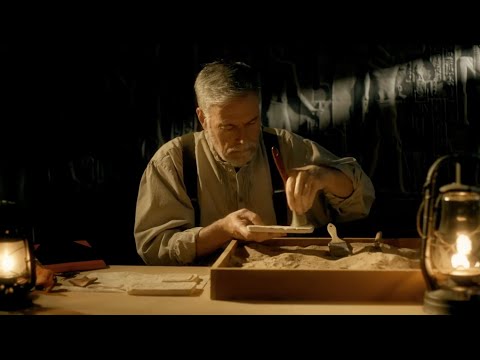
You know what’s wild? One day you’re scrolling through Instagram, and the next, you find yourself digging up ancient pottery in some dusty field. Sounds like a plot twist from a bad movie, right? But that’s basically what processual archaeology is all about!
It’s this cool blend of science and heritage. Think of it as detective work, but instead of solving crimes, you’re unraveling stories from the past. Seriously, it’s like being a time traveler without the whole “watching your own life flash before your eyes” thing.
So here’s the deal: Archaeologists aren’t just digging up bones and broken pots for kicks. They’re using scientific methods to understand how people lived thousands of years ago! And that’s where the magic happens—when science meets our shared history in such a hands-on way. Isn’t that just mind-blowing?
What happens when you mix techy tools with old-school exploration? Well, let me tell you, it opens up a treasure trove of stories waiting to be told!
Exploring the Intersection of Archaeology, Heritage, and Science: Unveiling Cultural Narratives
So, what’s the deal with the intersection of archaeology, heritage, and science? Well, it’s this super fascinating area where you see how these fields come together to tell us important stories about our past. Basically, archaeology digs into the physical evidence left behind by people. This could be everything from ancient tools to entire cities buried under layers of soil. On the other hand, heritage is all about what we choose to preserve and celebrate from those past cultures. It’s like a living memory that shapes our identity today.
Now, let’s throw science into the mix. Science comes in handy here because it offers tools and methods that help archaeologists better understand those remnants of history. You might be surprised at just how much can be uncovered through scientific techniques like radiocarbon dating or DNA analysis. It’s like having a time machine but using science instead of magic!
Archaeological techniques have evolved so much over the years. Traditional digging is still vital, obviously! But now there are also high-tech methods like ground-penetrating radar (GPR). This nifty tool helps researchers *see* what’s underneath without even digging! They can map out structures hidden below the earth’s surface and plan their excavations more effectively.
And then there’s processual archaeology, which emphasizes understanding cultures through their processes and interactions rather than just their artifacts alone. It focuses on systems over static snapshots of history—a bit like watching a movie instead of flicking through still photos. This approach helps shed light on how societies developed over time.
Okay, let’s talk about cultural narratives for a second because they’re really at the heart of this whole thing. When archaeologists uncover something cool—a pottery shard or an ancient burial site—they’re not just finding objects; they’re piecing together stories about how people lived, interacted, and changed through time.
Think about it: every artifact could represent a family meal shared hundreds or thousands of years ago. When you look at things this way, it really makes history feel alive! And when we understand these narratives better, we can also connect them back to our own lives today.
Now for heritage outreach. It’s crucial because it ensures that everyone gets to appreciate and learn from these discoveries—not just scientists in labs and dig sites but communities too! Engaging people helps create stewards who value their cultural heritage and want to protect it for future generations.
For example, programs that involve local communities in archaeological digs do more than just provide manpower; they create relationships! These partnerships allow locals to share their knowledge while researchers gain insights that might otherwise get lost in academic jargon. It’s like sharing a secret recipe—you both benefit!
In wrapping up this little adventure into archaeology meets science meets heritage, it’s clear there are many layers to uncover (pun intended!). The conversation doesn’t stop everyday; these fields continually evolve with new discoveries and technologies that reshape our understanding of human history.
So yeah—archaeology isn’t just digging through dirt; it’s much deeper than that—like seriously profound! And as long as people keep sharing stories across disciplines and communities, we can ensure those narratives continue finding their way into our present-day conversations about who we are as a collective society.
Examining Criticisms of Post-Processual Archaeology: Insights and Implications for the Field of Science
Post-processual archaeology has had its fair share of critics, and diving into those criticisms is pretty enlightening for anyone interested in this field. So, let’s break it down.
First off, post-processual archaeology emerged as a response to processual archaeology, which tended to focus heavily on scientific methods and quantifiable data. Imagine someone looking through a microscope and missing the bigger picture. Well, that’s what some critics say processualists do—they overlook the human element in favor of cold, hard facts. But, post-processualists argue that culture and context are just as important as the artifacts themselves.
One major criticism is that post-processual archaeology can sometimes come off as too subjective. The idea is that if everyone interprets things differently, how can we even have a solid understanding of history? Critics often claim this leads down a slippery slope where any interpretation can be valid—no matter how wild it may seem. It’s like trying to play a game with no rules; it might get chaotic pretty quickly!
Another point critics hit on is the accessibility aspect. Post-processualists emphasize storytelling and narrative, but sometimes people feel like this makes the findings less scientific or rigorous. Some argue that this approach could alienate those who prefer clear data over interpretive texts. Think of it like science vs. literature—each has its strengths but tends to speak different languages.
But let’s not forget about implications! The discussion around these criticisms really opens up new avenues for outreach in archaeology. By acknowledging different perspectives—both past and present—we can create more inclusive conversations about heritage and history.
There are some interesting ways these conversations manifest in real life too. For instance, community-based archaeological projects often aim to include indigenous narratives alongside scientific studies—that’s huge! This collaboration acknowledges both the data collected through excavation and the cultural significance behind those artifacts.
In all honesty, each side has valid points that contribute meaningfully to the broader discipline of archaeology. The balance between hard data and human stories might just lead us toward a richer understanding of our histories—and that’s something everyone can appreciate!
So yeah, while criticisms exist, they also help shape how archaeologists think about their work today and in the future. It’s all about growth and finding ways to weave together diverse methodologies for more comprehensive insights into our shared pasts.
The Father of Processual Archaeology: Unveiling the Key Figure in Modern Archaeological Science
The Father of Processual Archaeology is a title that many often associate with Lewis Binford. He made a significant impact on the field of archaeology in the 1960s, shaking things up in ways that still resonate today. His ideas were pretty groundbreaking for their time, and they changed how people thought about studying ancient cultures.
So, what exactly is processual archaeology? Well, it’s all about applying scientific methods to understand past human behaviors. Binford argued that instead of just collecting artifacts and documenting sites, archaeologists should focus on understanding the systems and processes that shaped those cultures. It’s like trying to figure out not just what happened but why it happened. You follow me?
One of the key concepts that Binford introduced was the idea of viewing archaeological sites as part of a broader ecological system. Imagine you’re looking at an ancient settlement. Instead of just counting pots or tools found there, you consider how geography, climate, and resources influenced where people lived and how they interacted with each other. It’s about context!
Also, he emphasized the importance of testing hypotheses through rigorous data collection. This scientific approach means you’re not just making wild guesses about what you find; you’re asking questions and gathering evidence to support your answers. And guess what? This method has led to exciting discoveries over the years.
Now let’s touch on something really interesting: the way processual archaeology blends science with heritage outreach. Engaging communities in discussions about their history is crucial! Think about local workshops or interactive exhibits where people can learn about their roots while discovering archaeological techniques. By using processual methods, we can create programs that help people connect with their past—like bringing ancient stories into modern conversations.
To sum it up, Lewis Binford opened up new avenues for archaeology by focusing on processes rather than just artifacts and highlighting why understanding culture is essential for both science and heritage preservation. His influence reminds us that archaeology isn’t merely about digging in dirt; it’s also an ongoing dialogue between past and present.
In short, if you ever find yourself fascinated by ancient civilizations or curious about how we piece together histories from scraps of evidence, remember Binford’s innovative spirit! His work paved the way for researchers aiming to make sense of human experience through a scientific lens while connecting deeply with communities around them—now that’s something worth celebrating!
You know, it’s pretty amazing when you think about how science and our cultural heritage can come together. I mean, processual archaeology is like this fascinating bridge that connects those two worlds. When archaeologists dig into the ground, they’re not just searching for artifacts; they’re uncovering stories about who we are and where we come from.
I remember visiting an archaeological site years back and chatting with a researcher. She described the meticulous process of analyzing soil layers, like reading a book that tells us about ancient lives. That day, I got this spark of excitement about how science can reveal things that are just so human, so relatable.
The cool part is the outreach efforts many researchers are involved in. They’re not just holed up in labs or out in dusty fields all alone—nope! They’re sharing their findings with communities, schools, and even on social media! It’s like they’re saying, “Hey everyone! Look what we found!” This approach helps people connect with their past in ways maybe they hadn’t thought possible before.
And it’s not just about artifacts or bones; it’s also about traditions and practices that have been passed down through generations. You see how everyday things—from cooking styles to festivals—are linked to our ancient roots. That connection is something really special because it reminds us that history isn’t just something written in books; it’s living and breathing around us.
But honestly, some folks might find the scientific method a bit overwhelming. The jargon can be heavy! Yet when archaeologists break things down – explaining how techniques help them piece together past cultures – it becomes much more approachable. And then people get curious; they start asking questions and engaging with their heritage.
So yeah, watching science meet heritage through processual archaeology outreach fills me with hope. It shows how important it is to preserve our stories while using modern methods to understand them better. It’s all about linking past lives to present ones—and trust me; that’s a connection worth exploring!