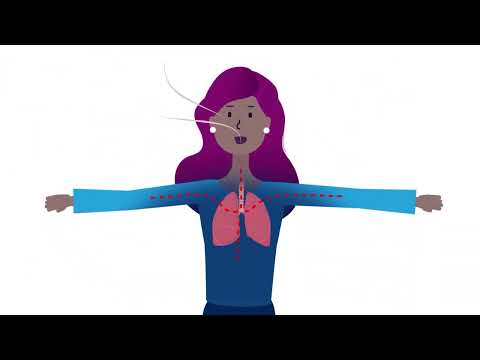
You ever walked into a place and thought, “Wow, this air feels like a brick wall”? Yeah, me too. It’s kind of wild that we can see the smog on some days but can’t really notice what’s floating around on cleaner ones.
I mean, we’re all kind of experts at dodging bad vibes, right? But what about dodging bad air? The stuff we breathe in every day really matters—like, a lot.
So here’s the scoop: advancements in air quality control are changing the game. We’re talking about smarter solutions that could make our environments way healthier. Sounds cool, huh?
Let’s explore how these innovations are not just making air cleaner but also transforming our lives in unexpected ways. You ready?
Advancements in Science: Key Improvements Reducing Human Exposure to Environmental Pollutants
You know, air pollution is one of those things that can seriously mess with our health. We breathe it in every day, and honestly? It’s kind of scary. So, scientists have been scrambling to find ways to make the air cleaner. And guess what? They’ve been making some real progress lately!
One major breakthrough has been in air filtration technologies. Remember those HEPA filters? They’re awesome at trapping tiny particles—like dust and pollen—and now they’re getting even better. Researchers have developed filters with even finer fibers that can catch pollutants like smoke and bacteria. Imagine breathing in cleaner air just because of a little gadget!
And then there’s the rise of smart sensors. These babies are popping up everywhere. They measure air quality continuously, notifying you when pollution levels spike. It’s like having a personal air quality assistant! The cool part? Some cities are incorporating this technology into public spaces, allowing everyone to stay informed.
Let me tell you about one more fascinating development: green infrastructure. Think parks, urban forests, and green roofs. These aren’t just pretty—they help cleanse the air too! Plants absorb carbon dioxide and release oxygen while also trapping dust and other contaminants. I remember visiting a city known for its green spaces. It felt refreshing just walking around.
Then there’s the innovation happening with emissions controls. Many industries are adopting technologies that help reduce their pollutants before they even hit the atmosphere. For example, power plants can capture carbon emissions using specialized systems before they escape into the environment. It’s a win-win; less pollution means healthier communities.
Finally, let’s not overlook how public awareness campaigns are helping too! People are becoming more aware of their impact on air quality and taking steps to reduce emissions by using public transport or carpooling. I once joined a “car-free day” event in my town; it was so liberating! Plus, less traffic meant clearer skies.
In short, these advancements—from better filtration systems to smart tech—are all aimed at reducing our exposure to nasty pollutants in the air we breathe. Each step taken matters because cleaner air means healthier lives for everyone around us. And when we support these improvements together as a community? Well, that’s just powerful!
Assessing the Effectiveness of the EPA: A Scientific Analysis of Environmental Policy Impact
Assessing the effectiveness of the EPA is actually a really important topic when you think about it. The Environmental Protection Agency, or EPA for short, aims to protect human health and the environment. But how can we really tell if they’re doing a good job? Well, let’s break it down.
First off, you should know that measuring the effectiveness of any policy is a tricky business. It’s not just about looking at one thing; it’s a mix of many factors. Think about air quality controls, for instance. The EPA sets standards for pollutants like sulfur dioxide and nitrogen oxides that can greatly affect our health. When these levels drop, we know something’s working.
Now, how does the EPA actually measure improvements? They collect data from monitoring stations across the country. These stations track air pollutants throughout the year, like tracking your favorite band’s tour schedule at various venues! This information helps in figuring out trends over time.
Also, there’s this cool concept called cost-effectiveness. Basically, it looks at whether the money spent on regulations leads to better air quality and health outcomes. If you spend millions on technology to reduce emissions but see little change in pollution levels or health issues, that could raise some eyebrows.
Another piece of this puzzle is public health data. If asthma rates go down in areas where new air quality standards are implemented—like after new regulations on vehicle emissions—it suggests that those policies are having a positive impact.
So you might wonder about specific examples. Let’s say there was this big push to control lead emissions from industries a few decades ago. Well, studies showed significant reductions in blood lead levels in children after those regulations took effect—which is pretty compelling evidence that EPA policies can make life better!
But it’s not all smooth sailing. The challenges are real too! For instance, climate change complicates things because rising temperatures can affect air quality itself! Stricter regulations may be needed as conditions evolve.
In summary, assessing the effectiveness of the EPA involves looking at several indicators:
- The reduction of harmful emissions.
- Improved public health outcomes.
- Cost-effectiveness of implemented policies.
- Long-term monitoring data showing trends over time.
When these different pieces fit together well, they tell a story—a story about whether or not we’re moving toward cleaner air and healthier environments for everyone. And honestly? That should be our goal at the end of the day!
Enhancing Indoor Air Quality: Scientific Strategies for a Healthier Living Environment
Improving indoor air quality is super important for our health, and there are some pretty cool scientific strategies to help us achieve that healthier living environment. So, let’s dig into it!
First off, what’s actually in the air we breathe indoors? Well, it can be a mix of stuff like dust, pet dander, mold spores, and even volatile organic compounds (VOCs) from cleaning supplies and paints. Yikes! These pollutants can lead to issues like allergies or asthma. Seriously, just thinking about it makes my nose itch.
So, you might be wondering how we can get that air cleaner. Here are few strategies that could really make a difference:
- Ventilation: Fresh air is key! Opening windows or using exhaust fans helps to reduce indoor pollutants. Just think about it – letting in fresh air helps push out all the stale stuff that’s been hanging around.
- Air Purifiers: These handy gadgets can filter out many particles from the air. Look for ones with HEPA filters; they’re like the superheroes of air filtration! They catch even tiny particles that other filters miss.
- Houseplants: Some studies suggest that certain plants can actually help improve indoor air quality. Plants like peace lilies or spider plants might absorb some pollutants while also making your space feel cozier.
- Regular Cleaning: Dusting and vacuuming regularly will help reduce buildup of allergens. I mean, who wants to live in a dust bunny fortress? Not me!
- Humidity Control: Keeping humidity levels between 30-50% is beneficial. Too much moisture can lead to mold growth—it’s like inviting uninvited guests to your home.
- Avoiding VOCs: Using low-VOC paints and cleaners helps keep harmful gases at bay. It’s an easy change with big payoffs for your lungs!
You see? These strategies don’t have to be complicated!
Now, here’s an interesting story: A friend of mine moved into a new apartment with terrible smells and dust everywhere—like you could almost taste it in the air! After introducing houseplants and running an air purifier full-time, they noticed their allergies took a serious dip within weeks. Just goes to show how simple changes can create a healthier environment!
In sum, enhancing indoor air quality isn’t just about comfort— it directly impacts our health over time. With these scientific strategies at hand, you’ve got some solid ways to ensure your space feels fresh and clean without turning your home into a lab experiment! So take action—your lungs will thank you later!
Okay, so let’s chat about air quality control. You know, it’s one of those things that doesn’t always get the spotlight it deserves, but when you think about it, it’s super important. I mean, we breathe in a ton of air every day, right? Just imagine what that air is carrying with it—pollutants, allergens, and all sorts of nasties.
A while back, I had this moment while hiking. The air was crisp and clear up in the mountains. It felt amazing! But then I came back to the city and—whoa—what a difference! Suddenly there were times when I could almost see the pollution hanging in the air. It really hit me how much our environment affects our health.
So here’s where advancements come into play. From high-tech filtration systems in homes to smart sensors that monitor outdoor pollution levels, technologies are getting pretty clever at keeping our air cleaner. There are even companies working on creating artificial trees that absorb pollution like real ones do but much more efficiently! Can you believe that?
But here’s the thing: technology helps a lot, but it can’t do everything alone. Awareness plays a huge role too. Like when towns hold events to educate people on how to reduce their own pollution footprints or advocating for greener spaces—it creates a community vibe of health-first thinking.
It’s kind of like this dance between innovation and conscious living; one feeds off the other. And as we learn more about what makes us sick and what can help us breathe easy again, we start piecing together healthier environments for ourselves—and future generations.
At the end of the day, keeping our air clean isn’t just about using cool gadgets or following new trends; it’s about making choices together as a community and prioritizing our health without losing sight of what matters: clean breaths for everyone!