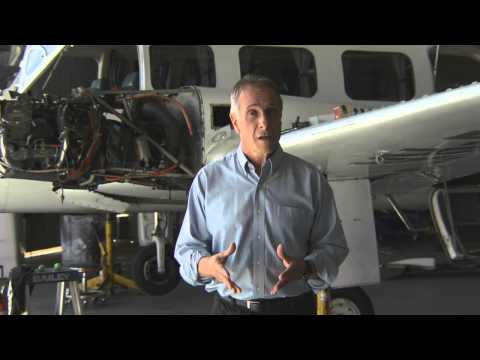
You know, I once read that a plane is like a giant, flying puzzle. Seriously! Every piece has to fit perfectly for it to take off and land safely. Pretty wild, huh?
Now, when we think about air travel, we’re usually more focused on the exciting parts—like window views and vacation spots. But what about the behind-the-scenes action?
That’s where aircraft maintenance engineers come in. These folks are the unsung heroes of aviation. They ensure that everything runs smoothly, so we can enjoy those sky-high adventures without a hitch!
And guess what? Technology’s ramping up in this field faster than you can say “turbulence.” New tools and techniques are popping up all over the place to make flying even safer than before.
So let’s chat about some of these advancements! It’s not just about keeping planes in tip-top shape; it’s about keeping us safe while we zoom through the clouds. Sound cool? Let’s dig into it!
Exploring Innovations in Aircraft Maintenance Technology: Advancements in Aerospace Science
Alright, let’s talk about some cool stuff happening in aircraft maintenance technology. You might think it’s all just oil changes and checks, right? But there’s way more going on behind the scenes to keep our planes flying safely and smoothly.
One of the biggest shifts is the use of **data analytics**. Basically, this means that airlines collect tons of data from different parts of an airplane while it’s flying. They use advanced software to analyze this data. Imagine a mechanic being able to predict when a part might fail before it actually does! This proactive approach can help avoid unexpected breakdowns, making flights safer.
Then there’s **drones** making their mark in inspections. Think about it: some hard-to-reach places on airplanes can be tricky for humans to check out safely. Drones can zoom into those tight spots without putting anyone at risk. It’s like having a tiny camera crew to get a close-up view of things that need maintenance!
And don’t overlook **robotics**! Some maintenance tasks are repetitive and, let’s face it, kinda boring for humans. Robots can take over those jobs while mechanics focus on more complex issues—making everyone more efficient and cutting down on human error.
Now let’s chat about **augmented reality (AR)** too. Imagine a mechanic wearing AR glasses that show them real-time information about the plane they’re fixing. It could highlight which parts need attention or even guide them through complicated repairs step by step! Talk about having a superpower at your fingertips!
Here are some key innovations in aircraft maintenance technology:
- Predictive Maintenance: Using data insights to foresee issues.
- Drones for Inspections: Safe area scanning without risk.
- Robotic Assistance: Handling repetitive tasks efficiently.
- Augmented Reality: Providing real-time support during repairs.
Now imagine if you’re at an airport waiting for your flight—and suddenly you hear that before taking off, all critical inspections were done with ultra-modern tech! You feel way more reassured knowing specialists used state-of-the-art tools and methods to ensure safety.
So yeah, these advancements in aerospace science are not just fancy tech; they’re revolutionizing how we maintain aircraft today and into the future. Safety is paramount up there in the skies, and innovations like these make sure we all get where we’re going safely!
Exploring Advancement Opportunities for Aircraft Mechanics in the Science of Aviation
Aircraft mechanics play a crucial role in keeping the skies safe. As technology in aviation advances, so do the opportunities for growth and specialization within this field. The advancements in aircraft maintenance engineering are not just about fixing things; they’re deeply tied to safety, efficiency, and innovation. Let’s break down what’s happening.
First up, there’s new technology. Think about how quickly tech evolves. Mechanics today are using advanced tools like drones for inspections or augmented reality (AR) systems that help visualize complicated repairs. This tech isn’t just flashy—it makes the job safer and more efficient. You know how sometimes a picture is worth a thousand words? Well, AR can show you exactly what needs fixing without risking your safety climbing through tight spaces.
The training’s evolving too. Schools and training programs are adjusting to these technologies—offering courses that focus on software management, cybersecurity, and even data analysis related to aircraft performance. This isn’t just about getting your hands dirty anymore; it’s about understanding complex systems and how they interact with one another.
- Certifications: There are now specialized certifications focusing on avionics or composite materials that can make mechanics stand out in a crowded field.
- Networking: Professional organizations often hold conferences where you can learn the latest best practices while meeting industry leaders.
- Sustainability: As aviation looks to reduce its carbon footprint, mechanics who understand sustainable practices will be highly sought after.
It’s also worth mentioning the industry demand. With air travel continually increasing worldwide, there’s a growing need for qualified mechanics who can handle advanced maintenance tasks while ensuring safety standards are met. For you as a mechanic, this can mean steady job security as well as opportunities for higher wages as you accumulate skills.
This brings us to certification pathways. The FAA emphasizes ongoing education and skill development, pushing for a workforce that is both knowledgeable and adaptable. Engaging in continuous learning isn’t just beneficial—it’s becoming essential! Look at how professionals from other fields have adapted by switching careers or updating their qualifications as industries change over time.
Anecdote time: I talked recently with a friend who works as an aircraft mechanic at an airport. He mentioned how his team had implemented new software for tracking maintenance schedules—it cut their workload by nearly half! Plus, it allowed them to catch issues before they became serious problems during flights—a real win-win situation!
If you’re thinking about advancing your career in this field or even starting fresh, consider all these elements: tech advancements, continuous education opportunities, specialized certifications, networking possibilities—all of these play into not only maintaining aircraft but also shaping the future of aviation safety.
The bottom line? Engaging with ongoing advancements in aircraft maintenance engineering means you’re not just fixing planes; you’re actively contributing to safer skies for everyone! So if you’re passionate about aviation and willing to embrace new challenges—there’s never been a better time to get involved!
The Future of Aircraft Maintenance Engineering: Innovations and Trends Shaping the Aviation Industry
So, let’s chat about the future of aircraft maintenance engineering. If you’re anything like me, you know that aviation is a super cool field. There’s always something new happening, right? And when it comes to keeping planes in tip-top shape, there are some pretty exciting trends and innovations shaping the game.
First off, one major shift is the **use of data analytics**. We’re talking about collecting massive amounts of data from various systems on an aircraft. This info helps engineers spot potential issues before they become serious problems. Imagine being able to fix a tiny issue now so it doesn’t turn into a costly repair later—seriously, that’s a game changer!
Another cool thing is **predictive maintenance**! This isn’t just a fancy term; it means using all that data to predict what might need fixing soon. Think about it like knowing when your car needs an oil change before the engine starts making weird noises. It makes maintenance less about guesswork and more about being smart with information.
Then there’s the rise of **drone technology** in inspections. Picture this: instead of climbing up and checking every nook and cranny of an aircraft with your own two feet, drones can whiz around and check things out up close. They can find issues quicker and even reach spots that are tricky for humans to access. Plus, they save time!
Moving on to **virtual reality (VR)** and **augmented reality (AR)**! These techs are popping up in training environments for new engineers. With VR, trainees can simulate real-world scenarios without ever leaving the classroom—imagine fixing a plane while being fully immersed in a 3D environment. AR can overlay useful information onto what the engineer sees in real life—like showing how to remove a panel or which parts need checking right then and there.
And let’s not forget about **sustainability** which is becoming increasingly important across industries—including aviation! Engineers are now looking at alternative materials and eco-friendly practices in maintenance procedures to reduce waste and minimize their carbon footprint.
But here’s where it gets really interesting: **collaboration between engineers worldwide** has ramped up thanks to these digital innovations too! Engineers from different places can work together remotely using software platforms where they can share insights and findings instantly. This global teamwork means sharing knowledge faster than ever before.
It’s also important to talk about safety advancements—because let’s face it, safety is everything when flying high above the clouds! The integration of technologies like AI into maintenance checks helps ensure everything’s running smoothly by continuously monitoring systems during flights.
So yeah, as we look ahead at aircraft maintenance engineering, it’s clear that technology isn’t just enhancing how we maintain aircraft; it’s revolutionizing it!
To wrap things up:
- Data Analytics makes spotting problems easier.
- Predictive Maintenance allows smarter planning.
- Drones speed up inspections.
- VR/AR Training enhances learning experiences.
- Sustainability focuses on eco-friendly practices.
- Global Collaboration improves knowledge sharing.
- AI Integration boosts safety measures.
So when you think about all these innovations together, it’s kind of thrilling to imagine where airline safety will be heading next!
You know, aircraft maintenance engineering is one of those fields that doesn’t get enough love. I mean, we hop on planes, jet off to faraway places, and take all that safety stuff for granted. But seriously, think about what happens behind the scenes to keep those big metal birds in the air!
Recently, I’ve been reading up on how technology is shaking things up in this area. Like, have you ever heard of predictive maintenance? It’s pretty cool! Instead of just waiting for something to go wrong and then fixing it—like when your car makes a weird noise—you can use data to predict when a part might fail. It’s like having a crystal ball but with a lot more numbers and science behind it.
I remember my first flight as a kid; I was way too excited. As the plane took off, I couldn’t help but think about how everything had to work perfectly—especially since I was soaring thousands of feet in the air! Now, knowing all these advancements really makes me appreciate what goes into it. Like artificial intelligence is being used to analyze maintenance data faster than ever before. This means engineers can catch potential issues much earlier.
So there’s this thing called “drones,” too! Yup, that’s right! Instead of sending someone out on a ladder or crawling under parts of an aircraft to do inspections—which sounds super tedious—you can just send in a drone with cameras and sensors. It’s safer and way more efficient.
I’ve even come across concepts like augmented reality (AR) being used in training; imagine wearing AR goggles that show you where things are while you’re fixing them? It’s almost like having a superhero sidekick guiding you through tricky repairs!
All these advancements boil down to one common goal: safety. You see, every innovation means less risk for everyone involved—from passengers boarding at the terminal to everyone who works behind the scenes making sure flights go off without a hitch.
In the end, it’s fascinating—and kind of heartwarming—to think about how each little piece comes together for our journeys. Everyone deserves peace of mind when they’re flying high up there above the clouds! So next time you’re boarding a flight or looking out at those massive planes lined up on the tarmac, just pause for a moment and remember all those engineers working hard so we can explore the world safely. Pretty inspiring stuff if you ask me!