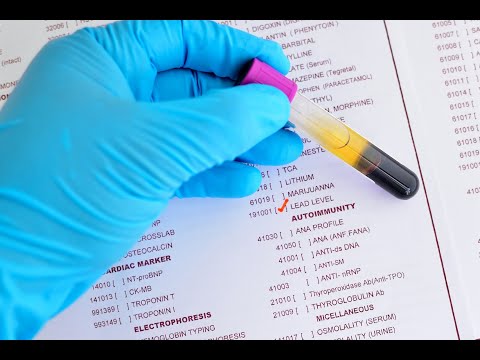
Imagine you’re at a party, and someone hands you a drink that looks totally innocent. But what if I told you there’s a whole crew of people who can figure out exactly what’s lurking in that cup? Yup, forensic toxicologists are like the detectives of the chemical world.
They’re the ones who make sure our public spaces are safe, uncovering mysteries hidden in our bodies or in suspicious substances. It’s kind of like being a science superhero, right?
These folks dive deep into the world of toxins and poisons, untangling intricate puzzles that can help prevent disasters. Seriously, they’re on the front lines when it comes to keeping us safe from harm!
So, let’s unpack what these unsung heroes really do for public safety. It’s gonna be interesting!
The Critical Role of Toxicology in Advancing Public Health: Understanding Risks and Safeguarding Communities
Toxicology is like the unsung hero in the quest for public health. You may not see it, but it’s everywhere, working behind the scenes to keep us safe. Just think about how often we hear about harmful chemicals or substances in our everyday lives. The thing is, toxicologists help us understand those risks and how they affect our health and communities.
When you hear about someone facing a serious health issue because of exposure to a toxic substance, that’s where forensic toxicologists step in. They analyze things like blood samples or urine to figure out what went wrong. This critical role helps pinpoint dangers that might otherwise go unnoticed. For instance, if there’s a spike in overdoses due to contaminated drugs, these experts jump into action to identify what substances are involved.
One interesting aspect is how toxicology goes beyond just identifying drugs. It looks at how different chemicals interact with each other. Imagine you’re cleaning your house and mix two cleaners together without knowing they create a harmful gas—whoops! A forensic toxicologist would definitely be the one clarifying that mix-up for public safety.
The work doesn’t stop at identifying dangers; it also involves risk assessment. Toxicologists evaluate how much of a substance can be harmful. They consider factors like age, health conditions, and even genetics! If you think about it, children react differently to toxins than adults do. This knowledge allows us to better protect vulnerable populations.
Another point worth mentioning is environmental toxicology. It’s not just people who get affected by toxins; wildlife does too! When there’s pollution in the water or soil, it can have serious repercussions on animals and plants, disrupting entire ecosystems. And guess who studies this? Yep, toxicologists are on it.
In addition to all this sciencey stuff, there’s also a legal aspect tied up with forensic toxicology. Sometimes cases end up in court—like when someone gets sick after using a product or an accidental poisoning occurs. Here’s where forensic toxicologists shine again by providing expert testimony based on solid data.
So why does all this matter? Well, without the insights from toxicology:
- We could be exposed to dangerous levels of chemicals without knowing.
- Public health policies wouldn’t be as effective as they could be.
- Communities would lack crucial information about environmental hazards.
Looking back at some real-life examples shows just how vital this field can be. When the Flint water crisis happened and lead was found in drinking water, it was toxicologists who helped highlight the risks involved and pushed for changes to ensure safe drinking water again.
In short, while you might not see toxicologists every day walking around in lab coats with test tubes (although that would be cool), their work is absolutely essential for keeping our communities healthy and safe from unseen dangers lurking everywhere! Remember: knowledge is power when combating toxins—thanks to these dedicated professionals who keep us informed!
The Essential Role of Toxicologists in Assessing and Regulating Environmental Chemical Hazards
Sure! Let’s talk about the essential role of toxicologists, especially how they help us stay safe from harmful chemicals in our environment.
Toxicologists are basically the detectives of the chemical world. They study how substances affect living organisms and the environment. Imagine you’re wandering through a park, and you suddenly feel sick after touching a weird-looking plant or breathing in that funky smell. That’s where toxicologists step in to figure out what went wrong.
Assessing Chemical Hazards is one of their main jobs. They look at various chemicals like pesticides, heavy metals, or industrial waste to see how dangerous they really are. It’s not just about saying “This is bad!” They dig deep into understanding things like dosage and exposure—how much of a chemical someone might encounter and for how long. This is super important because sometimes it takes only a tiny bit to create big problems.
Then there’s regulation. Toxicologists work with government agencies to develop rules about chemical use. They take their findings from hazard assessments and advise on safe levels for public exposure. So, when you see warning labels on products, those came from years of research by these scientists determining what’s safe and what’s not.
Now, let’s talk about forensic toxicology, which is a branch that connects well with public safety. Forensic toxicologists often step into criminal investigations when there are suspicions of poisoning or drug overdoses. Their work can determine whether a substance played a role in someone’s death or illness—like the real-life CSI stuff! In courtrooms, their expert opinions can make or break cases.
Just think about it: when someone is suspected of harming another person with chemicals, forensic toxicologists provide crucial evidence that supports justice.
Also, they don’t work alone! Toxicologists collaborate with other professionals—like environmental scientists and health regulators—to create safer communities. It’s teamwork at its best!
In summary:
- Toxicologists assess chemical hazards: They study harmful substances to determine their effects on humans and the environment.
- They help regulate chemical safety: Based on research findings, regulations are formed to keep people safe.
- The role in forensics is crucial: Forensic toxicologists help solve crimes related to drug overdoses or poisonings.
- Collaboration keeps communities safer: Working alongside other experts makes their impact even stronger.
So next time you hear about regulations around chemicals or if someone mentions forensic evidence in crime stories, think of the toxicologist—the unsung hero doing vital work behind the scenes to keep us all safe! Isn’t that powerful?
The Role of Forensic Toxicologists in Enhancing Public Safety: Insights and Implications for the Science Community
So, let’s talk about forensic toxicologists! They play a super important role in public safety. You might not think about it every day, but these scientists are like the detectives of the chemical world. They investigate how substances affect living things, especially in cases involving crimes, accidents, or unexplained deaths.
Forensic toxicologists usually work with samples from blood, urine, or tissues. You know that feeling when you’ve had one too many cups of coffee? Well, imagine how a forensic toxicologist tests for drugs and poisons to figure out what went down in a suspicious situation. It’s like a puzzle they have to solve!
Here’s how they enhance public safety:
- Crime Scene Investigations: When someone dies unexpectedly, the cause isn’t always clear. Toxicologists analyze samples to see if drugs or toxins were involved. This can help determine whether it was an accident or foul play.
- Drug Testing: In workplace settings or sports, toxicologists test for substances that shouldn’t be there. Think of athletes who get tested before competitions; if they’ve used performance enhancers, it’s up to forensic toxicologists to find out.
- Public Health Risks: If there’s an outbreak of poisoning—maybe from contaminated food—these experts can identify what’s causing it. They look for chemicals or biological agents that might be making people sick.
It’s kind of cool how they tie into public health campaigns too! For example, let’s say there’s an increase in overdoses in an area due to some new drug on the streets. Forensic toxicologists would analyze those cases and share their findings with health agencies. This info can lead to better prevention strategies and awareness programs.
Now, I remember this one case where a young adult sadly passed away at a party. It turned out they took something laced with fentanyl – a really strong opioid that’s super dangerous even in tiny amounts. The forensic toxicologist identified the substance quickly and shared this vital information with local authorities to warn others about similar risks.
The implications for the science community are significant too! Forensic toxicology isn’t just about identifying substances; it’s also about staying updated on emerging drugs and trends within society. As new synthetic drugs pop up all over social media or underground markets, these scientists need to keep pace so they can provide accurate data when something goes wrong.
Also, there’s this whole aspect where forensic toxicologists engage with law enforcement and prosecutors regarding legal cases which ensures that evidence is correctly interpreted in trials.
So yeah! If you think about it clearly, forensic toxicologists are unsung heroes helping keep our communities safer through their work behind the scenes. Their analysis helps build trust in law enforcement and guides healthcare professionals on what actions to take next! Isn’t it amazing how much science impacts our lives right under our noses?
You know, when you think about public safety, a lot of things come to mind: police, firefighters, maybe even those emergency room heroes. But there’s this other group that doesn’t always get the spotlight – forensic toxicologists. Seriously, these folks are like the silent detectives behind the scenes.
So, picture this: a crime scene is buzzing with activity. Police officers are doing their thing, and then there’s a body involved. It sounds morbid, I know, but hear me out. That’s where forensic toxicologists come in. They analyze bodily fluids and tissues to see if any poisons or drugs played a role in someone’s death or even in a crime. They’re detectives of a different flavor!
Let me tell you about a time when I had my mind blown by what these guys do. A friend of mine was telling me about this case where someone thought they were just dealing with an unfortunate accident – you know, someone found unresponsive after a party. But the toxicologist tested for everything under the sun and found traces of some weird drug cocktail that completely changed the story! It turned out to be way more than just bad luck; it opened up investigations into potential drug trafficking in their community. If not for those experts digging deep into the science behind it all, who knows how long it would take for people to find out what was really going on?
But there’s more! Forensic toxicologists also help in public health issues related to drug overdoses or poisoning cases by tracking trends and causes over time. Like when there’s an increase in certain substances showing up in local hospitals, they can help authorities take action before things spiral out of control.
And it’s not just crime; think about accidents at work or schools where harmful substances might be involved – they can provide insights that save lives and improve safety protocols everywhere.
These scientists aren’t just crunching numbers or looking at samples through microscopes all day; they’re playing such a crucial role in ensuring our communities are safe from hidden dangers lurking everywhere.
Honestly, every time I hear about a forensic toxicologist’s work helping solve cases or bringing justice for someone who couldn’t speak for themselves anymore, it gives me chills. Their contribution is vital yet often overlooked; they remind us that safety has many layers and sometimes requires digging deeper than we expect!