You know that moment in movies when someone gets all serious, flips through evidence, and suddenly cracks the case wide open? Seriously, it’s like magic! Well, here’s the thing: that magic is actually the work of forensic technicians.
I remember binge-watching one of those crime shows and thinking, “Wow, those folks are like detectives with a science degree!” It’s wild how they combine lab skills with a detective’s intuition. Imagine being the person who finds that tiny bit of hair or dust that could change everything. Pretty cool, right?
But it’s not just about solving crimes; it’s about justice. These tech-whizzes are behind the scenes, helping to make sure that truth and fairness have a fighting chance in courtrooms everywhere. Let’s take a closer look at how they bridge the worlds of science and justice!
Understanding the Role of Forensic Science Technicians in Modern Criminal Investigations
So, let’s break down the role of forensic science technicians in criminal investigations. They’re kind of the unsung heroes behind the scenes, you know? When a crime happens, there’s a whole lot going on that needs a scientific touch to uncover what really went down.
First off, these techs collect evidence from crime scenes. That can mean everything from fingerprints and hair samples to more complex stuff like biological fluids. Imagine you’re watching one of those crime shows and they pull out a little baggie with evidence in it. That’s what these folks do! They have to follow strict protocols because any mix-up could make or break a case.
After collecting evidence, forensic technicians analyze it—often in a lab setting. Depending on the case, this could involve looking for DNA, identifying substances (like drugs), or even examining ballistics if firearms are involved. Each analysis has its own set of techniques. For example:
- Dermatoglyphics: This is the study of fingerprints. Every person has unique patterns on their fingertips that can be matched to crime scenes.
- DNA Profiling: Using samples from the scene, techs can create a profile that might link a suspect to the crime.
- Toxicology: This involves testing fluids like blood or urine to find out if someone was under the influence during an incident.
And let’s not forget about documentation! Forensic technicians have to write detailed reports about their findings. This isn’t just for record-keeping; it’s crucial for court cases too! If they testify about what they found during an investigation, they need to present clear and factual information so that everyone involved understands exactly what happened.
I remember reading about a case where forensic technicians were able to solve a decades-old mystery just because they re-analyzed old samples with new technology. It’s mind-blowing how science keeps evolving and helps bridge gaps in justice!
Now you might be wondering how all this fits into actual investigations. Well, forensic technicians work closely with detectives and law enforcement officers. Their findings often guide police on where to look next or even lead them directly to suspects based on solid evidence.
Of course, forensic science isn’t foolproof. Sometimes things are misinterpreted or mishandled—which can happen under pressure at a crime scene—leading to wrongful conclusions or convictions. That’s why ongoing training is important for these professionals.
In summary, forensic science technicians are essential in modern criminal investigations by:
- Collecting crucial evidence at crime scenes.
- Conducting scientific analyses using various techniques.
- Documenting findings and testifying in court.
The combination of careful evidence collection and rigorous analysis means that forensic techs play a vital role in making sure justice is served fairly and accurately! It’s pretty incredible how science helps us understand not just the *how*, but also the *why* behind crimes… don’t you think?
Exploring the Highest Salaries for Forensic Science Technicians in the Scientific Field
Forensic science technicians play a crucial role in the intersection of science and criminal justice. They gather evidence at crime scenes, analyze samples, and help piece together the puzzle of criminal investigations. It’s a fascinating field that combines meticulous scientific work with real-world implications.
Now, what about the pay? Well, salaries can vary quite a bit depending on various factors like experience, education, and location. The demand for these professionals is pretty high right now, especially as technology advances and crime-solving techniques become more sophisticated.
In general terms, here’s a breakdown of where you might see the highest salaries for forensic science technicians:
- Experience Matters: Like in many careers, entry-level positions might not pay much. However, as you gain experience—say five to ten years—you could see your salary jump significantly.
- Education Level: Holding a bachelor’s degree or higher can enhance your earning potential. Some positions require advanced degrees or specialized training.
- Location Lingo: Certain areas like metropolitan cities tend to offer higher salaries due to the cost of living and demand for skilled workers. For instance, places with major crime labs or universities often have better pay.
- Specialized Skills: If you specialize in fields like DNA analysis or toxicology, you’re likely to command a higher salary. Employers often pay more for niche expertise.
- Federal vs State Jobs: Federal agencies often offer better pay compared to state or local law enforcement positions. Working for agencies like the FBI can significantly boost your earning potential.
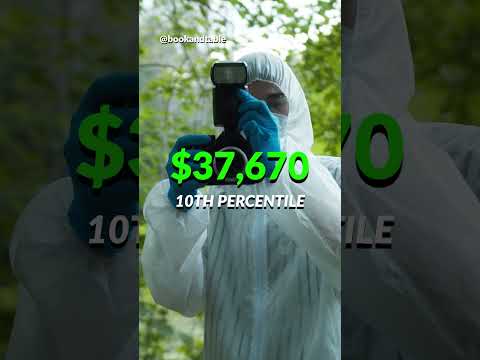
Let’s talk numbers! As of 2023 data (which might change), forensic science technicians earn an annual average salary ranging from about $40,000 to over $100,000 depending on those factors mentioned above. It’s worth noting that in states like California or New York—where living costs are high—the salaries can lean toward that upper range.
I remember this one time I met a forensic technician at a community event—she shared how she loved her job but pointed out that it came with its own set of challenges. Late nights analyzing evidence after exhausting hours at crime scenes were just part of her routine! But despite those long hours and heavy cases, she felt an incredible sense of purpose helping bring justice.
So there you have it—if you’re thinking about stepping into this field or just curious about how much forensic science technicians can earn, keep these factors in mind. There’s serious potential here if you’re passionate about both science and justice!
Exploring Career Pathways: How a Criminal Justice Degree Can Lead to a Forensic Technician Role in Science
So, let’s chat about how a criminal justice degree can actually take you into the fascinating world of forensic science. Seriously, it’s more interconnected than you might think!
First off, what’s a forensic technician, right? Well, they’re the folks who help solve crimes by collecting and analyzing physical evidence from crime scenes. You know, things like fingerprints, blood samples, and even hair strands. Sounds cool? Absolutely!
Now, if you’re thinking about this career path, starting with a criminal justice degree is a solid choice. Here’s why:
- Foundation in Law: A criminal justice program teaches you the basics of law enforcement and legal systems. You get to understand how laws are applied in real-life situations.
- Understanding Crime Scenes: Courses often cover criminology and sociology too. That helps you grasp human behavior and motives behind crimes.
- Critical Thinking Skills: Analyzing evidence is all about thinking critically. This degree hones your analytical abilities so when you’re in the field, you’re ready to piece everything together.
You know what really hits home? I once met a guy named Jake at a coffee shop who was doing his internship as a forensic technician. He shared this riveting story about how he helped analyze evidence from a burglary case that led police right to the suspect’s door! He told me how his background in criminal justice really prepared him for the nitty-gritty details of his job.
Next up is training and education after your degree. Most forensic techs have some hands-on experience or additional training in laboratories where evidence is processed. So think internships or volunteer work while you study; those connections can be golden!
That said, many roles now prefer candidates with certifications or advanced courses specifically related to forensic science. You might want to check out programs that focus on:
- Forensic Biology: Understanding biological evidence like DNA or blood.
- Toxicology: Analyzing bodily fluids for toxins or drugs.
- Chemistry: Working with materials found at crime scenes like gunshot residues or fibers.
The thing is—don’t forget networking! Even while still studying, getting involved in local crime labs or attending workshops can expand your connections within the field.
Also remember that being part of this world isn’t just about science; it involves ethics too. As a forensic technician, you’ll need to keep integrity as your top priority because lives can be drastically affected by your findings.
In summary, if you’re interested in bridging science and justice through a role like that of a forensic technician, starting with a criminal justice degree can set up an excellent foundation! With the right mix of education and hands-on experiences sprinkled along the way—and maybe even some cool stories like Jake’s—you could very well find yourself making an impact on real-life cases that aim for justice!
You know, when we think about crime shows and all those dramatic moments in the lab, it’s easy to get swept up in the glitz and glamor of forensic science. Like, who hasn’t wanted to be that person who cracks a case wide open with just a few tests? But there’s a lot more going on than just flashy lab work. Forensic technicians really play a crucial role in bridging science and justice, which is pretty intense when you think about it.
I remember one time watching a documentary about a wrongful conviction. They showed how forensic evidence that was misinterpreted led to someone spending years behind bars for something they didn’t do. That struck me hard. It’s not just numbers and processes; people’s lives hang in the balance, and forensic technicians are the ones responsible for collecting evidence properly. They have to be meticulous—every detail matters, right? It’s like putting together a giant puzzle where one missing piece can mean the difference between freedom and injustice.
Let’s break it down a bit. Forensic technicians are those unsung heroes who collect and analyze physical evidence from crime scenes. They might lift fingerprints or collect DNA samples, but they also need to ensure that everything is preserved correctly so it can hold up in court. That means understanding proper procedures—kind of like playing by the rules of a really serious game.
And you know what else is fascinating? The tools they use aren’t just cool gadgets but are based on solid scientific principles. Take DNA testing, for instance. It’s super powerful because it can link someone to a crime scene or exonerate them entirely! But if the sample isn’t handled properly or analyzed correctly, then we could end up with big problems later on.
The ongoing relationship between science and justice relies heavily on these technicians being both skilled scientists and compassionate individuals. Every time they step into that role, they’re impacting someone’s life—not only ensuring justice is served but also maintaining ethical standards in their work.
So yeah, next time you see that happy ending in your favorite true-crime series where the hero solves the case thanks to forensic evidence, take a moment to appreciate all the behind-the-scenes work by these folks who blend science with human values—a delicate balance that keeps our system from tipping into chaos. It makes you realize how essential their job truly is!