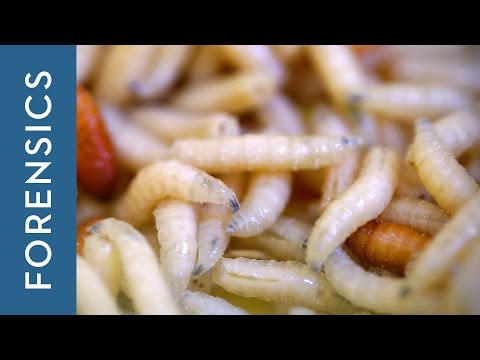
You know, I once read that maggots can help solve crimes. Sounds like something out of a movie, right? But seriously, insect evidence is a game-changer for forensic science.
Imagine a crime scene where everything looks pretty normal, except… surprise! There are flies buzzing around. Those tiny critters can tell us more than you’d think. They’re like little detectives in their own right, gathering clues about what went down.
Forensic entomology? Oh, it’s just the fancy term for using bugs to crack cases wide open. You might think it’s gross—who wants to deal with creepy crawlies? But trust me, these insects have some seriously cool stories to share that could help catch the bad guys.
So let’s dig in! We’ll talk about how these unassuming little creatures play a big role in solving mysteries and what they can reveal about time of death and other clues at crime scenes. You’ll be amazed at the secrets they hold!
Exploring Forensic Entomology: Key Case Studies and Applications in Scientific Investigations
Forensic entomology is such a fascinating field! It’s all about using insects to help solve crimes. Picture this: you find a body, and the police call in an expert who specializes in bugs to figure out how long that person has been gone. Crazy, right? But it gets more interesting.
Insects, particularly flies, have this weird but useful habit of showing up at crime scenes pretty quickly. When a body is found, blowflies are usually the first guests at the scene—it’s like they have VIP access! They lay their eggs on decomposing remains, and those little maggots can tell us so much about the timeline of death.
Now here’s where it gets technical: by knowing how fast these flies grow under certain temperatures, entomologists can estimate when the person died. For example, if you see blowfly larvae that are about 5 days old, that tells investigators that death likely occurred around 5 days ago. It’s not an exact science but it sure helps narrow down the window!
And it gets wilder! There are some infamous case studies in forensic entomology worth mentioning:
The applications of forensic entomology go beyond just figuring out time of death too! Sometimes insects can reveal other clues—like whether a body was moved after death or even what kind of environment they were in based on what bugs are present.
It’s kind of like being a detective but instead of solving puzzles with fingerprints or blood samples, these experts get to work with nature’s little scavengers. How cool is that? You know those bugs don’t get enough credit for their part in solving crimes.
There are cases where weather plays a huge role too! If it’s super hot or cold outside when someone dies, that changes how fast those insects develop. If an insect specialist knows when the crime happened and what the climate was like at that time, they can better predict when death occurred.
So yeah, forensic entomology isn’t just about creepy-crawlies; it’s actually a pretty vital tool in modern investigations. It combines biology with crime-solving—a unique blend that’s often overlooked!
Next time you see flies buzzing around something decomposing (ugh), remember they could hold the key to unlocking mysteries tied to life and death situations across crime scenes!
Unraveling Crimes: The Role of Forensic Entomology in Crime Scene Investigation
Forensic entomology is like the ultimate detective sidekick, using insects to help solve crimes. Seriously, it’s crazy how much these tiny critters can reveal about a crime scene. So, let’s break it down a bit.
When a body is found, time is of the essence, right? The first thing that forensic entomologists do is estimate the time of death based on which insects are present and their life stages. For instance, if you find **blowflies**—those familiar shiny green or blue flies—laying eggs on a corpse, they can tell you a lot about when someone died. They usually show up within minutes to hours after death. As the flies develop from eggs to larvae and then into adults, each stage takes a specific amount of time depending on temperature and other factors.
You might be thinking, “Why insects?” Well, they’re everywhere! Bodies attract all sorts of bugs that feast on decaying flesh. They become crucial pieces of evidence because they follow a predictable timeline. And get this: **temperature** plays a huge role in insect development; warmer weather speeds things up while colder slows them down.
But here’s where it gets even more interesting. Not all bugs are created equal in this line of work. For example:
- Blowflies: Quick to arrive and great for time-of-death estimates.
- Beetles: They often show up later in the decomposition process.
- Wasps: Sometimes seen in very specific situations; they can indicate certain environmental conditions.
Picture this: some years ago in an urban area, police found remains hidden under some bushes for weeks. A forensic entomologist examined the scene and identified various fly species present. By understanding the growth cycles of those flies at specific temperatures over time, they were able to narrow down the time of death to just days before the body was discovered! This information was key for investigators trying to piece together what happened.
Now here’s another cool thing: forensic entomology isn’t just for murder cases. It can also help in cases involving neglect or abuse where bugs might provide evidence about living conditions or even locate hidden bodies! Imagine discovering evidence just because flies were buzzing around.
So how does one become an expert in this field? Typically, you’d need some solid training in both entomology (the study of insects) and forensic science. It’s not as easy as just getting good at spotting ladybugs!
The next time you hear about a crime scene investigation on TV or read something online where bugs play a part—you’ll know that behind those creepy crawlies lies some serious science doing its job!
Understanding Forensic Entomology: The Science Behind Insect Evidence in Criminal Investigations
Forensic entomology? Sounds like something out of a crime show, right? Well, it’s actually pretty cool and super useful in solving crimes. Basically, it’s all about using insects to help figure out what happened at a crime scene. You know, like how long the body has been there or other important details.
So let’s break it down a bit. When an organism dies, decay sets in. This is where insects swoop in to do their thing! Flies are usually the first on the scene because they’re attracted to the smell of decomposing bodies. They lay their eggs, and soon enough, you have a mini-insect community forming around that unfortunate situation.
But why do we care about these bugs? Well, they can tell us loads of information! For instance:
- Time of Death: The development stages of larvae can be quite telling. If you’ve got maggots at a certain size, you can estimate how long they’ve been feeding on the body.
- Location Clues: Different insects prefer different environments. If certain species show up that thrive only in specific climates or conditions, that can help pinpoint where the body might have been.
- Undiscovered Evidence: Sometimes bugs can lead investigators to hidden evidence or even other victims. They have this way of revealing things that were missed initially.
Let me tell you about an interesting case that illustrates this point well. A while back, there was a situation where authorities were puzzled over a suspect’s timeline after a murder was reported. When forensic entomologists examined the insect activity around the remains found near a riverbank, they discovered specific fly species typically found thousands of miles away in different settings altogether! This finding helped law enforcement establish travel patterns for the suspect and ultimately led to crucial evidence supporting their case.
Now here’s where it gets even cooler: forensic entomologists don’t just run off hunches; they rely on data and studies over years to make solid conclusions about insect life cycles and behavior. They’ve collected tons of info about how fast certain insects grow depending on temperature and other conditions.
One thing I find really intriguing is how even climate change influences this field. Warmer temperatures might lead certain insects to emerge sooner than they traditionally would’ve in cooler weather. That means investigators always need to be updated with changing patterns because their research isn’t static!
In conclusion—well, I guess I shouldn’t use “conclusion,” but you get it—understanding forensic entomology opens up incredible doors for criminal investigations. It helps piece together puzzles that might otherwise remain unsolved while providing insights into timeframes and locations relevant to crimes.
So next time you hear about bugs being used in crime scenes, remember there’s some serious science happening behind those creepy crawlies!
You know, we often think about forensic science as all lab coats and high-tech gadgets, but there’s this wild aspect to it that really grabs my attention: forensic entomology. Basically, it’s the study of insects in the context of crime scenes. Sounds like something out of a detective movie, right? But there’s real science behind it.
I remember reading a story where investigators were baffled by a crime scene. There was a dead body, and they just couldn’t pinpoint when the person had died. That’s when an entomologist stepped in and started looking at the bugs hanging around. And you know what? Just by analyzing the types of insects and their life cycles, they figured out that the person had been dead for several days. How cool is that?
You see, different insects are attracted to decomposing bodies at different stages. Flies are usually the first ones to show up because they lay eggs on fresh remains. Then other insects come along as things progress—like beetles munching on the flesh or maggots doing their thing. By studying these visitors, scientists can estimate time of death pretty accurately. It’s like having little timelines written in nature!
Of course, it’s not just about knowing the timing; insect evidence can also reveal information about a person’s last movements or even where they might have been found before death! Imagine those tiny critters telling their own story—you can’t make this stuff up!
But here’s what really gets me: entomologists have to know their bugs inside and out. It’s not just a matter of guessing which insect is which; they have to be super detailed and precise about everything from temperature to humidity since these factors affect how fast bugs develop. Can you imagine spending hours staring at flies? For some, that might sound gross or boring, but for those who love it? It’s like detective work combined with nature.
So yeah, forensic entomology might seem niche or kinda weird at first glance—but it shows us how interconnected our world is! Insects aren’t just pests; they’re essential pieces in solving mysteries. And honestly, next time you see a fly buzzing around your picnic sandwich? You might think twice before swatting it away!