You know that feeling when you wake up and your body just doesn’t feel quite right? Like, maybe you didn’t sleep well or perhaps you ate something weird the night before. It’s kind of like your body is throwing a mini tantrum.
Well, that’s a bit what Aki pathophysiology is about! It’s all those complicated ways our bodies can react to stress, illness, or injury. In simple terms, it’s the science of figuring out what goes wrong when we’re not feeling our best.
Imagine a car engine that starts making weird noises. You don’t just ignore it; you wanna know what’s up before it breaks down completely, right? That’s the vibe we’re going for here! You’ll see how Aki can mess with our health in surprising ways and why understanding it is super important.
So, stick around! We’re diving into the nitty-gritty of how our bodies tick — or sometimes don’t tick — and why that matters for all of us.
Understanding the Pathophysiology of Acute Kidney Injury: A Comprehensive PPT Overview
Acute kidney injury (AKI) is pretty serious stuff. It’s when your kidneys suddenly can’t filter waste from your blood, which can lead to a ton of problems if you’re not careful. Let’s take a closer look at what goes down with AKI, breaking it down into simple bits.
What Happens in AKI?
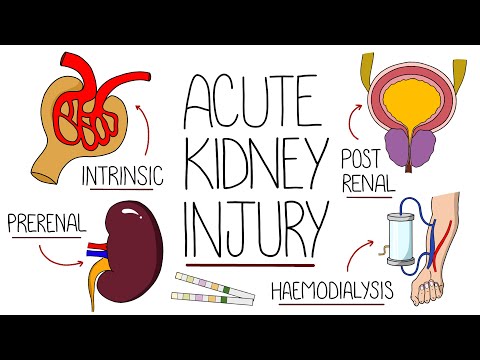
When we talk about the pathophysiology of AKI, we’re diving into how this condition messes with the body at a cellular level. Basically, there are three main types: prerenal, intrinsic, and postrenal.
- Prerenal AKI: This occurs when there’s not enough blood flow to the kidneys. Think of it like someone turning down the tap—your kidneys just don’t get what they need to do their job. Common causes include dehydration or blood loss.
- Intrinsic AKI: Here, damage happens directly to the kidney tissues themselves. This could be due to toxins, infections, or even certain medications that hurt your kidneys. Imagine if hand sanitizer was so strong that it burned your hands instead of cleaning them!
- Postrenal AKI: This one is all about blockages after the kidneys. If something’s stuck in your urinary tract—like kidney stones—urine backs up and causes problems.
The Role of Ischemia
Ischemia plays a big role in acute kidney injury too. Basically, it’s when there isn’t enough blood flow to an organ—in this case, the kidneys! When cells don’t get enough oxygen and nutrients due to reduced blood flow, they start dying off. You might remember a time you felt light-headed after standing up too quickly; that’s kind of what’s happening here but way worse.
Cascading Effects
Once those precious kidney cells are damaged or die off, there’s a chain reaction! This can lead us into something called **inflammation**, where immune cells rush in to try and fix things but sometimes just make it messier instead. It’s like throwing water on a grease fire; sure you’re trying to help but you’re actually making things worse!
Tubular Injury
Another biggie is tubular injury within the kidneys. Tubules are these tiny structures that help reabsorb nutrients and water while getting rid of waste. When they’re damaged during an episode of AKI, you can end up with lost electrolytes or even fluid overload—which could lead you right back to square one with more serious health issues.
Long-Term Consequences
Now here’s something worth thinking about: even if someone recovers from AKI, they might be more at risk for chronic kidney disease later on. It’s like climbing up a hill only to realize there’s another steep one waiting ahead.
So yeah, acute kidney injury isn’t just a quick setback—it packs some serious implications for health overall! Keeping an eye out for signs like reduced urine output or swelling can be lifesaving. Be aware because understanding how your body works gives you power over these kinds of conditions!
In short? It’s all pretty intricate and connected—your kidneys are super important players in maintaining balance in your body!
Understanding the Pathophysiology of Acute Renal Failure: A Comprehensive PDF Guide for Medical Science
Alright, let’s talk about acute renal failure, or as the cool kids call it, AKI—acute kidney injury. It’s kind of a big deal in medicine, and understanding how it works in the body can be super helpful. So, buckle up! Here’s a friendly and informal take on what goes down when kidneys go haywire.
First off, the kidneys are like your body’s little filters. They clean your blood and help manage fluid levels and electrolytes. But when they get injured suddenly—boom! You’ve got acute kidney injury. This can happen for various reasons, so let’s break it down.
- Causes: AKI can stem from three main categories: prerenal (issues before blood gets to the kidneys), intrinsic (problems within the kidneys themselves), and postrenal (blockages after the urine leaves the kidneys).
- Prerenal: Think of conditions that limit blood flow to your kidneys, such as severe dehydration or heart failure. If your body isn’t getting enough blood flow, your kidneys can suffer.
- Intrinsic: This is where things get tricky because it involves direct damage to kidney tissues. Could be due to things like infections or toxins (hey there, certain medications!).
- Postrenal: Picture a traffic jam in your urinary tract that prevents urine from leaving your body. This could be from kidney stones or an enlarged prostate.
The next thing we need to consider is pathophysiology, which sounds fancy but just means how disease develops in the body. When you have AKI, there’s a whole cascade of events that take place.
Your kidneys start going into shock because they’re not getting what they need—blood supply and oxygen mainly! This lack of oxygen leads to cell death in the kidney tissues. Over time, *if* this continues without intervention, you might end up with permanent damage—you definitely don’t want that!
- Molecular Mechanisms: Remember those tiny cells? Within them are different pathways that get activated during AKI. Inflammatory responses can ramp up and create even more issues by triggering an immune response.
- Biosynthesis Changes: Kidneys also have altered metabolic functions during AKI which affects their ability to perform specific tasks like filtering waste efficiently.
A little personal story here: I once worked with someone who had their AKI treated after a serious infection knocked them flat on their back. They were wary about whether they’d ever recover fully—but guess what? After some careful management and time (and lots of water!), they bounced back strong! That just shows how critical timely intervention is!
You might wonder how doctors diagnose this condition? They typically look at blood tests for markers like creatinine levels—a telltale sign of how well kidneys are working—or check for symptoms like swelling or changes in urination patterns.
- Treatment Options: Depending on the cause of AKI, treatments might include hydration for prerenal factors or stopping any potential toxic substances affecting intrinsic factors.
- Dialysis: In more severe cases where things are really tough for the kidneys, dialysis could help clean out those toxins until recovery happens.
The bottom line is that while acute renal failure sounds scary—and it is—it can often be managed effectively with prompt care. The sooner you catch these issues and understand what’s going on at a physiological level, the better chance everyone has at bouncing back!
Understanding Acute Kidney Injury Pathophysiology: Essential Insights for Nursing Practice
Acute Kidney Injury (AKI) is a serious condition that can have big implications for your health, especially when it comes to nursing practice. So, let’s break down the pathophysiology of AKI in a way that makes it easy to grasp.
What is AKI?
AKI happens when your kidneys suddenly stop working well. This can lead to a buildup of waste products in your blood and can mess with the balance of fluids and electrolytes in your body. It’s usually a rapid process, occurring over hours to days.
Three Main Causes
You can think about AKI in three main categories based on its causes:
These categories help you understand where the issue lies and how urgent it might be.
The Pathophysiology Behind It
When kidneys are injured, several mechanisms come into play:
1. **Hemodynamic Changes:** Reduced blood flow leads to less oxygen for kidney cells, impairing their function.
2. **Intra-renal Damage:** Infections or toxins cause inflammation and damage structures called nephrons—the functional units of kidneys.
3. **Tubular Obstruction:** Damaged cells might slough off into the tubules, causing blockages and further reducing urine output.
So basically, all these factors make it hard for your kidneys to do their job—filtering out waste and maintaining balance.
Soon After AKI: What Happens?
Once AKI sets in, you might notice symptoms like decreased urine output or swelling from fluid retention. But there are also changes happening at a cellular level. Cells may undergo apoptosis (programmed cell death) or necrosis (uncontrolled cell death), leading to loss of function.
It’s super important for nurses to recognize these early signs so they can intervene quickly. The earlier treatment starts, the better chance there is for recovery—and that’s key!
Nursing Implications
As a nurse, understanding this pathophysiology means you’re better equipped to monitor patients effectively:
1. **Monitor Vital Signs:** Changes in blood pressure can indicate prerenal causes.
2. **Assess Fluid Status:** Pay attention to weight changes; rapid gains can signal fluid overload.
3. **Renal Function Tests:** Regularly check labs for creatinine levels—they give clues on kidney performance.
All this stuff plays into how you approach patient care during an AKI episode.
The journey through understanding acute kidney injury is a bit like piecing together a puzzle—it takes time! And as you dive deeper into each mechanism and its implications, you’ll feel more confident in spotting problems early on and advocating for patients who need help with their renal health!
Alright, let’s chat about Aki pathophysiology. So, acute kidney injury, or AKI for short, is kind of a big deal. When the kidneys suddenly get overwhelmed and can’t do their job right, things can go south really quickly. Imagine this: you’re running a marathon and suddenly your legs cramp up. You might stumble and fall behind. That’s what happens to your body when the kidneys take a hit!
The thing is, your kidneys are like little superheroes in your body. They filter out the waste and balance all those important chemicals that keep everything ticking along nicely. But when something goes wrong—like dehydration, infections, or certain medications—they can get all messed up. It’s like if that marathon runner not only got cramps but also forgot to drink water along the way. Yikes!
So, here’s where it gets interesting: the mechanisms behind AKI are pretty complex but fascinating to unpack. For starters, you’ve got two major types of injury: prerenal and intrinsic renal. Prerenal is all about blood flow issues—the kidneys aren’t getting enough oxygen because of low blood pressure or anything blocking those vessels. Intrinsic renal is when there’s actual damage to the kidney tissues themselves—think inflammation or toxic substances doing a number on them.
I remember hearing about a friend who had an episode of AKI after being sick for a while. She thought she just needed rest; didn’t think much about her kidneys until she ended up in the ER! The doctors explained how it was more than just feeling crummy—it was about how her body was reacting to stressors around her.
But here’s where we tie it back to health implications: if AKI isn’t treated promptly, it can lead to chronic kidney disease later on—or even worse! It’s like failing that marathon without medical attention; you could hurt yourself long-term without realizing it.
Being aware of this stuff makes sense because so many people face risks without knowing it—like athletes pushing themselves too hard or folks with diabetes who might overlook routine check-ups.
In the end, understanding these mechanisms helps us appreciate why taking care of our bodies is so crucial! It’s not just about running marathons; it’s about keeping those kidney superheroes in tip-top shape so they keep protecting us from harm! Who knew our little organs could do so much?