You ever notice how some people just seem to have those superhero-level mucus defenses? Well, that’s not exactly the case for everyone, and it’s especially true for folks with cystic fibrosis. Imagine trying to live your life with mucus that just doesn’t know when to stop.
Yeah, it sounds pretty gross, right? But it’s a serious condition that goes way beyond the runny nose. Cystic fibrosis is like having a party in your lungs, but no one can get in because the bouncer (a.k.a., thick mucus) won’t let them.
So here’s the deal: this isn’t just about being sick; it’s a real mess of complex mechanisms happening inside the body. That sticky mucus can lead to all sorts of health issues—think severe lung infections and digestive problems that make you appreciate every bite of food you take.
Let’s break it down together. Understanding what makes cystic fibrosis tick isn’t just for doctors or scientists; it’s something we all should care about if we’re going to support those living with it. Ready? Let’s unravel this intricate web!
Understanding the Pathophysiology of Cystic Fibrosis: A Comprehensive PDF Guide for Science Students
Cystic fibrosis (CF) is one of those conditions that just feels like a puzzle with a million pieces. It’s an inherited disorder that primarily affects the lungs and digestive system, but to truly get what’s happening, you need to understand its pathophysiology.
So, let’s break it down.
Genetic Foundation
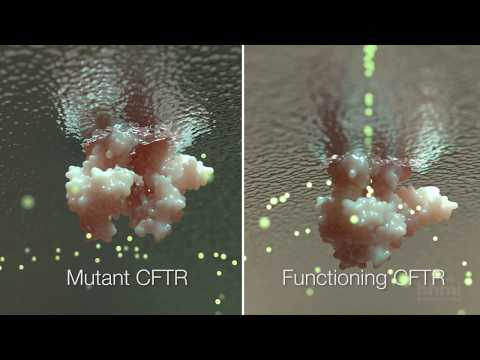
At the core of CF is a mutation in the **CFTR gene**. This gene produces a protein called cystic fibrosis transmembrane conductance regulator. When this protein isn’t working right—like having a faulty key for your front door—it messes up the balance of salt and water across cell membranes. This leads to thick, sticky mucus build-up in various organs.
Respiratory Complications
In the lungs, that thick mucus isn’t just annoying; it creates the perfect environment for bacteria to thrive. Picture it: when mucus clogs the airways, it becomes really hard to breathe, and chronic infections like *Pseudomonas aeruginosa* take hold. This can lead to inflammation and eventually scar tissue forming in the lungs, which is super serious.
Digestive Issues
Not just confined to breathing issues, CF also messes with digestion. Thick mucus blocks pancreatic ducts which means enzymes can’t get into your intestines—how frustrating! So instead of properly breaking down food and absorbing nutrients, people with CF might struggle with malnutrition or weight gain challenges.
Persistent Inflammation
There’s this ongoing cycle of inflammation due to infections and blocked airways that can actually further damage lung tissue over time—seriously daunting when you think about it. It’s like a nasty feedback loop that keeps spiraling downward!
Sweat Glands
You know how after exercising, you might feel salty? Well for folks with CF, their sweat has much higher salt content due to problems with chloride transport caused by those CFTR mutations. So when they sweat, they lose more salt than usual, which can lead to dehydration and electrolyte imbalances—making hydration even more important.
Treatment Implications
Understanding all this means knowing how we tackle it! Treatments focus on keeping airways clear (like inhaled medications), managing infections (think antibiotics), and aiding digestion (like enzyme supplements).
So what’s fascinating here is how interconnected everything is! If one aspect falters—the lungs or digestion—the whole system feels it. That’s why research into CF goes on relentlessly; every tiny advancement brings hope.
In summary:
- The CFTR gene mutation: Leads to defective protein affecting salt-water balance.
- Lung complications: Thick mucus causes chronic infections.
- Poor digestion: Blocked pancreatic ducts hinder nutrient absorption.
- Persistent cycle of inflammation: Damage accumulates over time.
- Sweat gland abnormalities: Higher salt loss impacts hydration levels.
- Treatment focus: Multidisciplinary approach targeting symptoms.
Understanding cystic fibrosis’s pathophysiology not only helps students grasp complex biology but also highlights why continued research is paramount! Knowing these intricate details might just drive new ideas or treatments down the line—and who knows where they’ll lead?
Understanding the Pathophysiology of Cystic Fibrosis in Pediatric Patients
Sure! Let’s chat about cystic fibrosis (CF) and what’s going on in the body when someone has this condition, especially in kids. It’s a pretty intense topic but don’t worry, I’ll break it down for you.
Cystic fibrosis is a genetic disorder that mainly affects the lungs and digestive system. It’s caused by mutations in the CFTR gene. This gene is super important because it tells cells how to make a protein that helps control the movement of salt and water in and out of cells. When this gene doesn’t work right, things get tricky.
So here’s the deal: without proper CFTR protein function, your body can’t manage salt and water effectively. This leads to thick, sticky mucus buildup in various organs. Picture trying to breathe through a straw filled with sticky candy—it’s not easy, right? That’s what kids with CF deal with every day.
Let’s look at some major points:
- Lungs: The thick mucus clogs airways, trapping bacteria. This can cause repeated lung infections and inflammation.
- Digestive System: The pancreas gets clogged too, making it hard for enzymes to reach the intestines. This messes up digestion and nutrient absorption.
- Salty Sweat: Kids with CF often have sweat that tastes salty because their bodies can’t reabsorb salt properly.
- Infertility: In many cases, males are infertile due to blockages in the reproductive ducts.
You know what I find really touching? Imagine being a kid who loves playing outside but struggles to keep up because you can’t breathe well or end up coughing all the time. It creates challenges not just physically but emotionally too—having to explain your condition to friends can be tough.
Now back to those lungs: when mucus gets stuck in there, bacteria have a field day. Just think about how a little bit of dirt can turn into something gross if left alone too long! So repeated infections can lead to serious lung damage over time.
In terms of treatment options for pediatric patients, they usually involve:
- Medications: These include antibiotics for infections and enzyme replacements for digestion.
- Aerosol therapies: These help clear out mucus from lungs.
- Nutritional support: High-calorie diets ensure kids get enough nutrients since they don’t absorb food properly.
Ultimately, understanding the pathophysiology of cystic fibrosis helps medical professionals tailor treatments more effectively for each child. Even though it sounds like an uphill battle sometimes, there are advancements happening all the time!
So just remember: while cystic fibrosis brings challenges that affect not only health but life experiences too—those affected still find ways to make memories despite everything life throws at them! There’s always hope on the horizon as science continues to push forward.
Understanding the Etiology of Cystic Fibrosis: Insights from Molecular Genetics and Pathophysiology
Cystic fibrosis (CF) is one of those conditions that sounds super complicated, but at its heart, it’s about a single gene going a bit haywire. Have you heard of the CFTR gene? It stands for cystic fibrosis transmembrane conductance regulator. This little piece of DNA usually helps make a protein that keeps salt and water balanced in your cells. When it’s not working right, which is what happens in CF, it leads to some serious health issues.
One of the biggest problems with cystic fibrosis is that it messes with mucus. You see, mucus is supposed to be smooth and slippery—like when you blow your nose and get all that gooey stuff out. But in CF patients, the mucus becomes thick and sticky. Imagine trying to breathe with something like peanut butter clogging up your lungs! That’s why people with CF often struggle with lung infections and breathing difficulties.
The **pathophysiology**—that’s just a fancy word for how things go wrong in the body—of cystic fibrosis can be explained in several steps:
- Gland Blockage: The defective CFTR protein causes glands in various organs, especially the lungs and pancreas, to produce thick secretions.
- Lung Issues: This sticky mucus traps bacteria and other particles, leading to chronic infections. Over time, this cycle can cause lung damage.
- Poor Digestion: In the pancreas, thickened secretions block enzymes that help digest food, resulting in malnutrition despite eating well.
- Sweaty Skin: Interestingly enough, people with CF also sweat more salt than normal because of that glitchy gene affecting chloride channels.
In case you’re wondering how this all ties into molecular genetics: mutations in the CFTR gene disrupt the normal flow of chloride ions across cell membranes. There are over 2,000 different mutations identified! The most common one is called ΔF508—sounds technical but just means there’s a deletion of three nucleotides which leads to a missing amino acid.
So what does this mean for treatment? Well, understanding how these genetic glitches impact the body opened up pathways for new therapies. Scientists are now developing drugs aimed at correcting these faulty proteins or helping improve their function.
It can really hit home when you see how much people with cystic fibrosis fight every day just to breathe easily or digest their meals properly. Just think about it: something as tiny as a single gene can have such massive effects on someone’s daily life.
Researchers continue to explore how genetic tests might help diagnose CF earlier or even lead to personalized treatments based on individual mutations. It’s pretty amazing progress if you ask me!
Cystic fibrosis is one complex condition rooted deeply in our genetics and biology—but by unraveling its etiology through research into molecular genetics and pathophysiology, we’re getting closer to better ways to manage it.
Okay, so let’s talk about cystic fibrosis, or CF for short. It’s a condition that affects so many aspects of life for those who have it. Picture a kid who dreams of running around the playground without ever needing to catch their breath. But for someone with CF, even just playing tag can be a bit of a challenge because of their body’s crazy response to mucus production.
Cystic fibrosis is caused by a mutation in the CFTR gene, which essentially messes up how salt and water move in and out of cells. To break it down simply: normally, cells would sip on the right amount of salt and water to keep things nice and moist. But, when that gene goes haywire, it leads to thick and sticky mucus instead—which is not what you want going on in your lungs or pancreas.
Imagine trying to breathe through a straw that’s constantly clogged with gooey stuff. That’s what’s happening in the lungs of someone with CF; they struggle to get air in and out because the mucus traps bacteria and creates an environment ripe for infections. I remember reading about a girl named Mia who loved swimming but found herself stuck doing breathing exercises every day just to keep her lungs clear. She often had to leave fun pool parties early—what a bummer!
And it doesn’t stop there; this thick mucus messes with digestion too. The pancreas can’t release enzymes properly which are needed to digest food, leading to malnutrition even if they’re eating well. So yeah, someone with CF has to deal with extra dietary challenges on top of all the lung stuff.
The implications? Big time! It means ongoing medical care including medications like inhalers and enzymes—all while trying to live life like any other kid or adult would want to do. It really makes you think about how resilient people can be when faced with such hurdles.
You know what’s wild? Advances in research are leading toward better treatments that target those underlying mechanisms rather than just treating symptoms—like helping those little ion channels work better again! That gives hope not only for improved quality of life but could mean growing up feeling more ‘normal’. So here’s hoping for breakthroughs as we understand more about this complex yet fascinating pathophysiology!