You know that moment when you’re just chilling, maybe enjoying a burger, and suddenly, your stomach decides to throw a party for all the wrong reasons? Yeah, gastrointestinal bleeding is like that unexpected guest who crashes your good vibes.
It’s kind of wild how our digestive system, which does such an incredible job of breaking down food and absorbing nutrients, can sometimes go haywire. You’d think it would be smooth sailing, but nope!
So here’s the deal: when something goes wrong in there—like a pesky ulcer or inflammation—your body might start leaking. Sounds gross, right? Well, it gets even trickier from there. Understanding what’s going on inside can really shed light on why this happens and what it means for you or someone you care about.
Let’s dig into the nitty-gritty of GI bleeding… without losing our lunch!
Understanding the Pathophysiology of Upper Gastrointestinal Bleeding: Insights for Medical Science
Upper gastrointestinal bleeding, or UGI bleeding, is like a sudden alarm in your body. It’s that not-so-fun moment when blood starts showing up in your vomit or stool. You might be wondering what really happens inside your body during these times, and that’s where the pathophysiology comes into play. Let’s break it down.
First off, UGI bleeding generally occurs from somewhere in the esophagus, stomach, or the start of the small intestine. So when we talk about pathophysiology, we’re looking at the underlying mechanisms that lead to this situation.
- Causes: This can include ulcers (kind of like sores) in the stomach lining or at the top of the small intestine. They can bleed quite a bit if things get rough.
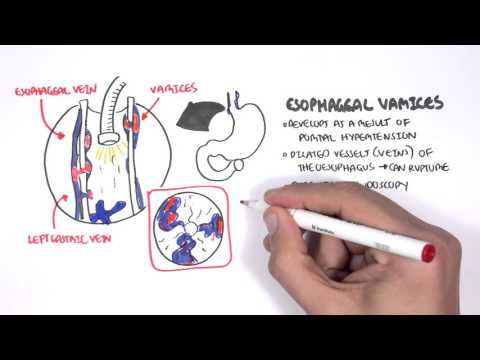
- Varices: These are enlarged veins usually caused by liver issues, which can rupture and lead to significant bleeding.
- Tumors: These can also be a source of bleeding. If they interfere with normal tissue, they might cause blood vessels to break.
The body has its own way of sending signals when things get messy—think of it as an internal emergency alert system! For example, if there’s an ulcer that’s been festering, it starts to erode blood vessels. When they burst? Yep, that’s when blood joins your dinner instead of staying where it’s supposed to.
The next part involves symptoms. If you’re experiencing UGI bleeding, you might notice things like:
- Bright red vomit or vomit that looks like coffee grounds—yikes!
- Black tarry stools (a sign that blood has been digested).
- Dizziness or fainting from losing too much blood.
But why does this happen? Well, it often comes down to increased pressure in blood vessels or damage to those pretty crucial tissues. When you’ve got ulcers eating away at things and varices bursting under pressure due to liver issues—it becomes a perfect storm for bleeding.
If someone is suffering from UGI bleeding—what do we do? Treatment often focuses on stabilizing the patient first: think fluids and maybe blood transfusions if needed. Later on, doctors might look for the source through **endoscopy**, where they use a tiny camera to peek inside your digestive tract and fix issues right there! It’s a bit like taking care of plumbing problems but inside your insides.
The implications for medical science here are pretty big since understanding these mechanisms not only helps in treatment but also prevention. By recognizing risk factors like alcohol use or certain medications (like NSAIDs), doctors can take measures early on before it escalates into something serious.
This whole thing may sound intense and scary but knowing how our bodies respond helps everyone involved—patients and healthcare professionals alike—to tackle these situations head-on with confidence!
Comprehensive Guide to Gastrointestinal Bleeding: Insights and Research Findings (PDF)
Gastrointestinal bleeding is one of those topics that sounds heavy, but it’s really about understanding what’s happening inside our bodies. Imagine your stomach and intestines like a long tube. When something goes wrong—like an ulcer or a tear—blood can start leaking, and that’s not good news.
First off, let’s talk about what causes this bleeding. There are a few main culprits:
So what’s going on beneath the surface? That’s where pathophysiology comes into play. Basically, it’s about looking at how these conditions cause blood vessels to weaken or break open.
When an ulcer forms, for instance, it eats away at layers in the stomach lining. This can reach blood vessels underneath—like digging down into a layer cake! When that happens, blood can escape into the digestive tract. And here’s where it gets tricky: you might see blood in your stool or vomit. But sometimes it’s hidden and only found through tests like endoscopy.
The implications of gastrointestinal bleeding are pretty serious. Not only can it lead to anemia—where you don’t have enough red blood cells—but if too much blood is lost quickly, it can even cause shock! Imagine feeling dizzy, weak, or even fainting; that’s your body’s alarm bells ringing.
It’s also important to mention that different populations might experience this differently. For example, older adults tend to have more severe issues with gastrointestinal bleeding because their bodies may not cope as well with blood loss.
Now onto some insights from recent research! Scientists are exploring new ways to detect these bleeds early on. Some studies focus on using advanced imaging techniques or biomarkers that show signs of bleeding before symptoms kick in. Early detection could seriously save lives!
So there you have it—a peek into the often misunderstood world of gastrointestinal bleeding and its underlying mechanisms. Remember that while it sounds alarming when things go wrong inside our guts, knowing what to look for and understanding how our bodies work is crucial for keeping healthy!
Gastrointestinal Bleeding: A Comprehensive Analysis and Insights in Gastroenterology
Gastrointestinal bleeding is one of those things that sounds super scary, and rightly so. It can happen anywhere in the digestive tract – from the mouth all the way down to the rectum. But before you panic, let’s break it down. You know, just to make it a little less intimidating.
First off, there are two main types of gastrointestinal bleeding: **upper** and **lower**. Upper GI bleeding usually happens in places like the esophagus, stomach, or the duodenum (that’s right after your stomach). You might notice things like black or tarry stools if it’s coming from up there. Lower GI bleeding often originates from the colon or rectum and you might see bright red blood in your stool.
Now, let’s chat about what causes these bleeds. Here are a few common culprits:
- Ulcers: These can form in your stomach lining due to excessive acid or infection (think Helicobacter pylori). Ouch! They can really cause some serious bleeding.
- Diverticulosis: This one’s kind of like little pouches forming in your colon wall. If they get inflamed or infected, they can bleed.
- Tumors: Sometimes benign or cancerous growths can mess things up and lead to bleeds.
- Cirrhosis: Liver issues can result in increased pressure in blood vessels leading to varices that may rupture.
When it comes to understanding how this all works – aka the **pathophysiology** – it’s pretty fascinating! The body has these complex systems for managing blood flow and pressure throughout our guts. If there’s any damage to a blood vessel or tissue in your GI tract, it triggers a reaction where platelets gather at the injury site to help clot things up. But if that process goes haywire—or if there’s too much pressure—the result is *bleeding*.
Let me tell you a quick story here: A friend of mine had no idea he had a peptic ulcer until one day he felt dizzy and faint after going out for a heavy dinner. Turns out he was losing blood without even knowing—scary stuff! That incident made him realize how crucial it is to pay attention when something feels off.
As for symptoms? Well, aside from bloody stools or vomit resembling coffee grounds (gross!), you might feel weak or lightheaded—especially if you’re losing a lot of blood quickly.
Diagnosis? Doctors often use endoscopy—a fancy term for looking inside with a camera—to pinpoint where the problem is coming from. They’ll check out both upper and lower GI tracts as needed.
In terms of treatment options, it really depends on what’s causing that bleed:
- Medications: Proton pump inhibitors for ulcers or antibiotics for infections.
- Surgery: Sometimes necessary if there’s severe damage that can’t be fixed otherwise.
It’s essential not just treating these bleeds but also addressing why they happened in the first place.
So yeah, gastrointestinal bleeding is serious business but understanding its mechanics helps us grasp why we need to take warning signs seriously. After all, our gut health is nothing short of vital—let’s keep an eye on it!
So, you know when you get a cut and it bleeds? Your body’s all like, “Whoa! Let’s fix this!” Well, our insides can bleed too, and that’s what we call gastrointestinal bleeding. It’s not just a simple boo-boo; it can get pretty complicated down there.
The gastrointestinal tract is like a long tube running from your mouth to your bottom. It includes the esophagus, stomach, small intestine, large intestine, and so on. All these parts can experience bleeding for different reasons. Maybe there’s an ulcer causing havoc in the stomach or maybe some nasty inflammation in the intestines. Each situation has its own set of mechanisms driving the bleeding.
I remember a friend who had this terrible pain in her belly. After some tests, the docs found she had an ulcer – a sore in her stomach lining that was bleeding slowly but surely. Poor thing! It was shocking to realize something so small could cause such chaos inside her body. That made me think about how our insides are still pretty sensitive and need care.
There are various ways this bleeding can happen. Sometimes it’s due to something called “mucosal erosion,” where that protective lining starts to break down and lets blood vessels leak out their contents. Other times it could be an issue with blood flow — if something blocks or thins out those vessels, they can rupture under pressure.
And then there’s the impact of these bleeds on our overall health you might not consider right away. Depending on how severe it is and where it’s happening, you might get symptoms like abdominal pain or even feel faint from losing too much blood. Can you imagine being at work one day feeling dizzy for no reason? It’s scary stuff!
The implications of gastrointestinal bleeding go beyond just treating the bleed itself; doctors often need to look for underlying issues too: infections, cancers—yikes! Talking about all these things reminds me that our bodies are incredibly complex systems that require attention.
In short, understanding how gastrointestinal bleeding works isn’t just about knowing what makes us bleed internally; it’s also about recognizing what we should watch out for in our bodies and taking care of ourselves better overall. There’s so much more beneath the surface than we often realize!