So, picture this: you’re out doing your thing, and suddenly—bam! You trip over your own feet and land on the sidewalk. Ouch, right? Now imagine if that little scrape turned into something way worse than just a bruise. Sounds dramatic, but it can happen!
Osteomyelitis is basically an infection in the bone, and it’s not as rare as you might think. It creeps up on people for all sorts of reasons—like injuries or even just having diabetes. Crazy stuff! You think you’re fine one day, and then boom!
The thing is, understanding how this infection works is super important—like, first aid 101 for your bones. So let’s chat about what goes down in your body when osteomyelitis strikes. It gets a bit technical but don’t worry; I’m here to make it easy-peasy!
Exploring the Scientific Implications of Bone Infections: Diagnosis, Treatment, and Long-term Effects
Okay, let’s talk about bone infections, especially something called osteomyelitis. This is when your bones get infected and it can be really serious. Imagine a friend of mine, who was super active and then got a small cut on his foot. He thought nothing of it until he could barely walk because his whole leg hurt. That little cut turned out to be a gateway for bacteria to jump into his bones. Crazy, right?
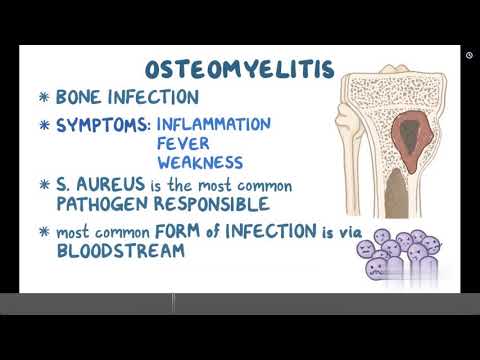
Now, when we look at the scientific bits behind osteomyelitis, it’s all about how the bacteria get there and start wreaking havoc. Usually, they come from somewhere else in your body or from an injury like my friend’s. The bacterium Staphylococcus aureus is the usual suspect here.
The thing is, once these germs invade the bone, they can cause inflammation and disrupt normal blood flow. This is where diagnosis becomes a challenge. Doctors often need to conduct X-rays, MRIs, or even take samples of the infected tissue to really figure out what’s going on.
- Symptoms: Fever, swelling, pain in the area—and sometimes even something like an open sore.
- Treatment: Usually involves antibiotics for weeks or months! Sometimes surgery is required to remove dead tissue.
- Long-term effects: If not treated properly, osteomyelitis can lead to chronic pain or even permanent damage to that bone.
You know what’s wild? Osteomyelitis doesn’t just happen randomly; certain folks are more at risk. People with diabetes or those who’ve had surgeries are kind of in the danger zone here. Seriously! If you have poor circulation or a weakened immune system, your bones might feel like they’re sitting ducks waiting for an infection.
The long-term effects are no joke either. Some people might end up with chronic osteomyelitis that just doesn’t want to go away. Imagine dealing with persistent pain that keeps coming back! It’s a real bummer for many people out there trying to live their lives fully.
The way our body reacts also plays a part in this whole mess—like how our immune system battles these invaders but sometimes goes overboard and causes damage instead of healing things up nice and neat.
If you think about it, osteomyelitis gives us insight into not just bones but also our body’s responses to infections. It’s fascinating yet terrifying! So next time you hear someone mention bone infections, you’ll know there’s so much more beneath the surface than just “ouch!”
You follow me? Osteomyelitis is not just a medical term; it’s a reminder of how fragile our bodies can be but also how resilient we are when treated right!
Understanding the Pathophysiology of Osteomyelitis: Insights from Picmonic
Osteomyelitis is a really serious condition. Basically, it’s an infection in the bone. While you might think bones are super strong and, like, totally immune to stuff like this, they can actually get infected. Understanding how this whole thing goes down can help us better tackle it.
What exactly is happening in osteomyelitis? Well, it usually starts when bacteria enter the bone. This could happen from an injury or even from bacteria in your blood if you’ve had surgery or trauma. When these nasty little germs invade, your body reacts with inflammation, which is your immune system’s way of saying “Hey! Something’s wrong here!”
So here’s where it gets tricky: the inflammation and infection can lead to *necrosis*, or death of the bone tissue. Now the tissue starts to break down, and your body may struggle to heal it properly because of all that mucking around.
There are a few key players in this drama:
Now let’s talk about why blood flow matters. You see, bones rely on blood vessels for getting nutrients and fighting infections. But if there’s any obstruction—like from diabetes or peripheral artery disease—things can go south real quick.
Another point worth mentioning? There are different types of osteomyelitis based on where and how it develops:
It’s scary to think about how something as small as a cut could lead to such serious issues if left unchecked. A friend of mine once got a simple splinter while camping—next thing you know, he was battling an infection that took way longer than expected to heal! Kind of makes you think twice about keeping those little injuries clean.
Finally, managing osteomyelitis often requires antibiotics but sometimes surgery too—to remove dead tissue or drain pus. Each case varies based on the severity and location of the infection.
Understanding these mechanisms helps healthcare folks figure out how best to treat this condition effectively—keeping us all safer from these bone-invading intruders!
Understanding the Pathophysiology of Osteomyelitis: Insights into Bone Infection Mechanisms
Osteomyelitis is a big word for a serious problem: bone infection. It’s like when bacteria sneak into your bones, causing all sorts of trouble. Now, let’s break this down, because the whole thing can get pretty complex.
What happens in osteomyelitis? Well, it usually starts when bacteria invade the bone. This can be through an injury or even if you have an infection somewhere else in your body that spreads. Think of it like a party crasher; the bacteria enter, and they bring chaos with them.
Types of osteomyelitis can vary, too! There’s acute osteomyelitis which pops up pretty quickly—like after a fracture—and then there’s chronic osteomyelitis that sticks around for ages. Chronic cases can develop after an acute one if it isn’t treated well enough. Just imagine how frustrating that could be!
So, what do these nasty little bacteria do once they’re inside? They start to multiply and create a mess that leads to inflammation. This inflammation is your body’s way of fighting back, but sometimes it just adds to the problem—think swelling and pain in the area. Not fun.
Your immune system rushes in like a superhero squad to fight off these invaders. But sometimes, the bacteria outsmart them. They might form something called biofilm, which acts like their protective shield. This makes it super hard for antibiotics to do their job! It’s kind of like trying to hit a target that’s moving all over the place.
Now, let’s talk about blood flow! Bones need blood flow to heal properly but osteomyelitis messes with that too. The inflammation can cause blood vessels to get blocked or become less efficient at delivering those much-needed nutrients to the bone. You see how this gets worse?
When looking at how doctors figure out what’s going on, they often use imaging tests like X-rays or MRIs so they can see where the infection is hiding. Sometimes they even have to take a little sample of bone tissue for analysis! Yeah, not the most fun experience.
So why should you care? Understanding these mechanisms helps doctors determine what kind of treatment will work best for each patient. Treatment may include antibiotics or sometimes surgery if things are really bad—like having to clean out infected bone tissue.
In essence, osteomyelitis is not just about bones; it’s about how our body reacts when something goes wrong—how we fight infections and what happens when our defenses fail us. It’s essential knowledge that not only keeps us aware but also helps healthcare professionals find effective ways to treat and manage this condition!
So, let’s talk about osteomyelitis. It’s this nasty bone infection that can really mess up your day – or your entire life, for that matter. I remember once hearing about this guy who had a simple foot injury. He thought it was no big deal, but then bam! A couple weeks later, he’s battling osteomyelitis. It’s wild how something so tiny can spiral out of control.
Now, what happens is pretty fascinating but also a bit scary. You see, osteomyelitis usually starts when bacteria invade the bone. This could be after an injury or surgery or even through the bloodstream from another part of the body. Once those little troublemakers get in there, they start to have their way with your immune system. It’s like they throw a party in your bones and invite inflammation to join!
This inflammation leads to swelling and pain—essentially, your body’s way of saying “Hey! Something’s wrong here!” But it doesn’t stop there; it can start causing more serious damage too. The infection may lead to the death of the bone tissue—yep, you heard that right—necrosis is the term for it. And when that happens? Well, things can get real complicated real fast.
Implications are huge here as well. For one thing, if left unchecked, this infection can spread beyond just one area and wreak havoc on neighboring tissues and organs. Imagine trying to go about your normal life while dealing with something so aggressive lurking inside you! It definitely makes you think twice about every little scrape or bump.
The treatment’s no walk in the park either. It usually involves long courses of antibiotics and sometimes surgery to remove badly affected areas or even a whole segment of bone if things reach a critical level—it’s intense! There’s also ongoing studies trying to figure out better ways to manage and treat these infections as they can be super challenging to diagnose early on.
So yeah, osteomyelitis might not be something everyone thinks about every day, but it certainly demands our attention when it does pop up. The body is complex and sometimes fragile; learning how infections like this work helps us appreciate just how resilient—and vulnerable—we really are!