You know that feeling when you’re trying to find the quickest way to a friend’s house, and you end up taking the long route? Yeah, that’s kinda what algorithms do! They’re like those little guides for computers, helping them figure out how to solve problems faster and better.
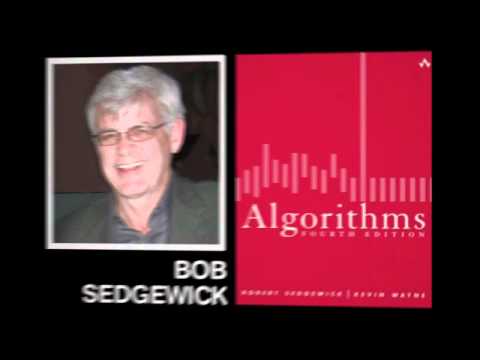
Let me tell you—there’s this guy, Robert Sedgewick, who’s been all about making algorithms easier and way more innovative. His work? It’s like a treasure map for tech geeks. You know, imagine if every time you searched for something online, it took half the time. Sounds dreamy, right?
Honestly, algorithms might seem boring at first glance—like watching paint dry or something—but once you dig in a bit, they can be super cool! It’s like cracking a secret code. And with insights from Sedgewick? Oh man, you’re in for some mind-blowing stuff!
So grab your favorite snack and let’s bounce into the world of algorithms together. You might just find it more exciting than you thought!
Discovering the Bible of Algorithms: A Deep Dive into Essential Texts in Computer Science
Alright, let’s chat about algorithms. You’ve probably heard the term thrown around a lot, especially if you’ve looked into computer science. So, what’s the deal with them? Well, an algorithm is like a recipe. It’s a set of instructions that tells a computer how to solve problems or perform tasks.
When it comes to understanding algorithms better, there are some key texts that really stand out. Robert Sedgewick is one of those names you might bump into quite often. He’s written extensively about algorithms and his insights are pretty pivotal for anyone diving into this field.
Now, let’s break down some essential texts in computer science that can help you grasp these concepts:
- “Algorithms” by Robert Sedgewick and Kevin Wayne: This book serves as an introduction to algorithms through engaging examples and practical applications. It really emphasizes how algorithms underpin everything from sorting lists to searching data.
- “Introduction to Algorithms” by Thomas H. Cormen: Commonly referred to as CLRS (after the authors’ initials), this is like the bible for algorithms! It’s dense but thorough; it covers everything from basic concepts to advanced techniques.
- “Algorithm Design Manual” by Steven S. Skiena: Skiena has a knack for making complex ideas accessible. His book includes real-world applications which make it easier to relate algorithms to everyday problems.
- “Data Structures and Algorithm Analysis” by Mark Allen Weiss: This text focuses on the relationship between data structures and algorithms—understanding how they work together is crucial in programming.
You know, I remember when I first tackled these texts; it felt overwhelming at times! There was this one night where I was trying to wrap my head around sorting algorithms—like mergesort and quicksort—and my brain felt like jelly! But slowly connecting those dots made everything clearer.
Now back to Sedgewick! His work doesn’t just stop at theory; he actually delves into practical examples that highlight why mastering these concepts matters in real life—think things like search engines or recommendation systems on your favorite streaming service!
Understanding algorithms isn’t just for coders or tech whizzes either—it’s essential for everyone in today’s digital age. The more you grasp how these functions operate behind the scenes, the better equipped you’ll be no matter where you go!
In short, jumping into algorithm literature might feel a bit heavy at first but it can really open up your understanding of technology and its intricacies! Happy reading!
Exploring the Four Types of Algorithms in Scientific Research: A Comprehensive Guide
Alright, so let’s chat about algorithms in scientific research. They’re like the secret sauce that helps researchers crunch data, make predictions, and solve complex problems. But here’s the thing: not all algorithms are created equal. There are actually four main types that researchers often rely on. Let’s break them down, shall we?
1. Search Algorithms
These guys help find specific data or solutions among a sea of information. You know how when you Google something, it sifts through millions of pages to find what you need? That’s a search algorithm at work! A common example is the binary search, which quickly zeroes in on a target value in a sorted list by repeatedly dividing the search interval in half. Super efficient.
2. Sort Algorithms
Sorting algorithms arrange data in a specific order—like putting your books on a shelf from A to Z or sorting photos by date taken. It might seem simple, but it can get complicated depending on how much data you’re dealing with. One popular method is the quick sort, which works by selecting a “pivot” element and partitioning the other elements into two sub-arrays according to whether they are greater or less than the pivot.
3. Optimization Algorithms
Optimization algorithms tackle problems where you want to find the best solution among many possibilities, like figuring out how to minimize costs or maximize efficiency. Think about planning a road trip that hits multiple destinations in the shortest time possible—that’s an optimization problem! The genetic algorithm is an interesting one; it mimics natural selection processes to evolve solutions over iterations.
4. Machine Learning Algorithms
Now we’re getting into something really exciting! These algorithms enable computers to learn from data and improve their performance over time without being explicitly programmed for every task. You’ve seen this when Netflix recommends movies based on what you’ve watched before! Common techniques here include neural networks, which are designed to recognize patterns—just like our brains do!
So there ya have it! Those four types of algorithms each have unique roles in scientific research—searching for data, sorting it, optimizing results, and learning from patterns. It’s pretty cool how these tools work behind the scenes to make sense of complex information and aid scientists in their quests for knowledge.
Overall, understanding these types can help anyone appreciate just how much computation powers modern science today! Pretty neat stuff if you ask me!
Top Beginner-Friendly Books on Data Structures and Algorithms: A Scientist’s Guide
Alright, so diving into the world of data structures and algorithms can seem a bit daunting at first, but trust me, it’s totally manageable! Let’s break it down and explore some cool beginner-friendly books that will help you get a handle on these concepts without losing your mind.
First off, what are data structures and algorithms? Imagine data structures as different ways to organize your stuff. Algorithms are like the instructions you follow to do something with that stuff. For example, think of sorting your laundry. You can organize by color or fabric type—those methods are your data structures—and the steps you take to actually sort them out? Yep, those would be the algorithms.
Now onto some great books that will guide you through this journey:
- “Grokking Algorithms” by Aditya Bhargava: This one is super visual and breaks down complex ideas with fun illustrations. It’s like having a buddy explain things over coffee—easy to digest!
- “Data Structures and Algorithms Made Easy” by Narasimha Karumanchi: This book comes packed with practical problems for practice. By working through those challenges, you’ll really start to feel comfortable with the material.
- “Introduction to Algorithms” by Thomas H. Cormen: Often called CLRS (after the authors’ last names), this book dives deep into the theory behind algorithms but still keeps things clear enough for beginners. You might even find yourself quoting it someday!
- “Algorithms Unlocked” by Thomas H. Cormen: This one is less intimidating than its counterpart mentioned earlier. It walks through algorithms in a way that’s almost conversational—perfect if you’re just starting out!
- “The Algorithm Design Manual” by Steven S. Skiena: A classic! Skiena’s writing style feels friendly and approachable; he includes real-life applications which makes it relatable. Plus, there’s a handy “war stories” section that shares practical experiences from real projects.
If you’re curious about Robert Sedgewick’s insights, he focuses on clear communication when conveying complex ideas in his books. His work emphasizes understanding over memorization—which is key when dealing with data structures! The examples he provides are often based on common applications in computer science, making them relatable.
A little side note: learning these concepts can be like trying to learn how to ride a bike—you might wobble at first or even fall a couple of times! But as you practice with these resources, you’ll get better at navigating through data collections and sorting algorithms smoothly.
The bottom line is that delving into data structures and algorithms doesn’t have to be scary at all! With these beginner-friendly books under your belt, you’ll develop a solid foundation just waiting for you to build upon it.
You know, algorithms are kind of like the secret sauce behind just about everything we do with computers. It’s amazing to think how they sort through mountains of data, help us find our way with GPS, or even how they recommend that next binge-worthy series on your favorite streaming service. But when you dig into it, you realize there’s so much more going on beneath the surface.
Robert Sedgewick is one of those names that pops up quite often when we chat about algorithms and computer science in general. His work has really opened up some new pathways for understanding how these algorithms function and evolve over time. I remember sitting in a cozy café with my laptop, diving into one of his books. There’s something incredible about reading through complex concepts but feeling like you’re right there in the room with him as he explains things.
Basically, Sedgewick emphasizes making algorithms not just efficient but also readable and maintainable. He gets it—if you can’t understand the algorithm, it doesn’t matter how efficient it is! Think about trying to bake a cake without knowing how to read the recipe; it’s gonna get messy and probably not taste great. So his approach makes total sense, right?
And then there’s this big focus on visualizations he champions. Like, come on! Who doesn’t love a good visual? It’s so much easier to grasp what an algorithm is doing when you can see it in action rather than just reading dry code. I still remember watching animations of sorting algorithms; seeing them dance around was oddly satisfying and helped solidify my understanding.
There’s also this emotional aspect associated with innovation—like when you’re learning something new—that “aha!” moment when everything clicks into place. It feels rewarding and energizing! Sedgewick’s insights tap into that feeling too; they remind us that at their core, algorithms are all about solving problems and enhancing our lives.
It makes me think about where we’re headed next with innovations in algorithms. With AI continuing to grow, who knows what’s coming down the pipeline? The challenges are big but so are the opportunities for creativity and problem-solving.
So yeah, Robert Sedgewick’s work isn’t just academic; it really hits home by making these concepts accessible and showcasing how fun exploring them can be. His insights illuminate a path filled with curiosity and discovery—and honestly, that excitement keeps me motivated to learn more every day!