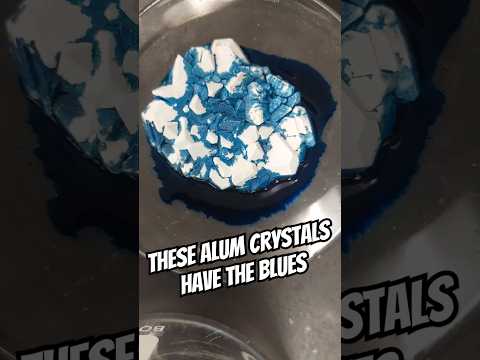
Have you ever tried to cook something, and it just didn’t work out? Like that time I attempted to whip up a fancy soufflé. Turns out, I didn’t have enough eggs, and instead of fluffy goodness, I got a flat pancake. Bummer, right? Well, in the world of chemistry, there’s a nifty ingredient that can save the day: alum!
You know what’s cool? This simple compound is not just for your kitchen disasters; it’s got its fingers in all sorts of pies—from water purification to food processing. Imagine being able to fix issues in various fields with one humble ingredient. Sounds kind of magical, huh?
So let’s chat about alum chemistry—what it is, how we use it today, and why people are still buzzing about it in labs everywhere. Just promise me you won’t try to make a soufflé while we dive into this!
Exploring the Diverse Applications of Alum in Chemistry: Uses, Benefits, and Reactions
Alum is this cool family of chemical compounds that you might’ve heard of. They’ve been around for ages, but their applications in chemistry are still pretty fascinating. It’s wild how something so simple can have such a big impact!
First off, what even is alum? In a nutshell, it’s a type of salt, often with the formula KAl(SO4)2·12H2O or similar variations. You know, the ones containing aluminum, sulfate, and another metal. They usually crystallize into these beautiful little octahedrons. But anyway, onto where it shines!
Water purification is one of the most recognizable uses of alum. When you toss it into dirty water, it causes impurities to clump together and settle at the bottom. It’s like magic but rooted in chemistry! This process is called coagulation. Imagine being able to clean up a muddy river just like that! There are places around the world relying on this method to ensure safe drinking water.
Then there’s food processing. Yup! Alum pops up in culinary contexts too. You might find it in pickles or some baking recipes. What happens is that it can help maintain crispness and add a bit of acidity—so your pickles don’t just taste good; they also look fresh and crunchy.
In medicine, alum isn’t sitting idly by either. It’s used as an antiseptic or even as a styptic agent to stop bleeding by causing blood vessels to constrict—pretty neat, huh? For instance, if you get a small cut while shaving (ouch!), applying some alum can help stop that pesky bleeding fairly quickly.
Alum’s also involved in the dyeing and textile industry. Think about all those brightly colored fabrics out there! Alum helps fix dyes onto fibers so they don’t wash out easily. This makes garments vibrant and long-lasting—like your favorite shirt that still looks good after countless washes.
And let’s not forget about cosmetics. Some people use alum as an aftershave or deodorant ingredient because of its antimicrobial properties. So when you see these products claiming “all-natural,” there’s sometimes alum behind the scenes doing its job!
But here’s something that might surprise you: in chemistry labs, alum can act as a flocculant during various experiments too. When you’re working with solutions and want to clear them up fast, adding alum can be this efficient trick to make everything settle down nicely.
You see how versatile this stuff is? From daily household items to industrial applications, it’s pretty amazing how much one compound can do! I mean, just think about how something simple like alum affects our lives—from ensuring cleaner water to keeping our clothes colorful—all thanks to some basic chemistry principles.
So next time someone brings up alum in conversation (maybe during dinner—you never know), you’ll have quite the list ready to share! Isn’t science just full of surprises?
Exploring the Diverse Applications of Aluminum in Scientific Research and Innovation
Aluminum, you know, is one of those materials that seems to pop up everywhere. When you think of it, maybe you picture soda cans or foil in your kitchen. But seriously, the applications in scientific research and innovation are mind-blowing! Let’s check out some cool ways aluminum is being used in science.
Lightweight Structure
One big thing about aluminum is its light weight. This makes it super appealing for building aircraft and spacecraft. Engineers love it because using aluminum means they can save weight while keeping strength. Imagine a plane that uses less fuel just because it’s made from this awesome metal!
Heat Conductivity
Aluminum also has great thermal conductivity. This means it can quickly transfer heat, which is why you’ll find it in heat exchangers or cooling systems for electronic devices. Ever tried to touch your laptop after it’s been running for hours? It gets hot! Often, that’s aluminum at work trying to keep things cool under the hood.
Corrosion Resistance
Another fascinating thing? Aluminum naturally forms a protective oxide layer when exposed to air. That’s why we see it popping up a lot in outdoor equipment and even car parts! It stands up well against rust and corrosion, ensuring that whatever’s made from it lasts longer.
Chemistry Research
In chemistry labs, aluminum compounds are super useful too. For example, alum, a type of compound made from aluminum sulfate, is often used in water purification processes. It helps clean up our drinking water by clumping together impurities so they can be easily removed. Think about how vital clean water is—pretty impressive stuff!
Biosensors
Moving into the high-tech zone now—aluminum nanoparticles have sparked interest for their potential use in biosensors! These tiny particles can be used to detect specific biological molecules. So imagine having a device that could give you quick health readings just by analyzing your sweat or saliva! Talk about futuristic!
Renewable Energy Solutions
On the renewable energy front, researchers are exploring aluminum as an energy storage medium. There’s potential for developing batteries that use aluminum-based materials—this could mean cheaper and more efficient alternatives as we push towards greener technologies.
In wrapping this up—though I could go on about this forever—the diverse applications of aluminum really showcase how versatile this metal is within scientific research and innovation sectors. From making our aircraft lighter to purifying our water and even powering future technologies through energy storage solutions, aluminum’s role is vital! Who knew something so simple could have such an impact?
Exploring Real-World Applications of Alum in Scientific Research and Industry
So, let’s talk about alum, which is one of those everyday substances that you might not think much about, but it actually plays a big role in various fields. Alum is basically a group of chemical compounds, and the most common one is potassium aluminum sulfate. Just imagine a tiny crystal making a huge difference!
Water purification is one of the big deals when it comes to alum. In this process, alum acts like a magnet for tiny particles in dirty water. When you add it to water, it encourages impurities to clump together and sink to the bottom. This means cleaner water for everyone! Municipalities often use this technique to make sure our drinking water meets safety standards.
Another cool application is in food processing. Yeah, you heard right! Alum is sometimes used in pickling vegetables because it helps maintain their crispiness. It’s like giving cucumbers a little extra crunch before they hit your sandwich! Plus, it’s used in baking powder as an acidity regulator. Just think about all those fluffy pancakes you love.
Then there’s the world of textiles. In dyeing fabrics, alum serves as a mordant—a fancy word meaning it helps the dye stick better to the fabric. This means that your favorite shirt will keep its vibrant color longer. Without alum, we’d probably see more sad-looking clothes fading away after just a few washes!
In medicine, alum has its uses too. It’s often found in some forms of antiperspirants and can be helpful in treating certain kinds of minor cuts and abrasions due to its astringent properties. Basically, it helps stop bleeding by tightening tissues—pretty nifty for an everyday compound!
And if you’re into gardening or agriculture, listen up! Some folks use alum in soil amendments because it can lower pH levels, making soil more acidic when needed for plants that thrive in those conditions. Think blueberries and azaleas—they love acidic soil!
You might have come across alum’s role in cosmetics too—it’s used sometimes in aftershaves or even as an ingredient in some face masks because of its skin-tightening effect. So while you’re pampering yourself, some good ol’ alum might just be working its magic right there on your skin.
Lastly, scientists are still discovering new uses for alum through ongoing research! They are looking at how it could help with drug delivery systems or even environmental solutions like capturing carbon emissions from power plants.
So yeah, alum isn’t just sitting around being boring; it’s quietly getting stuff done across various industries and scientific fields! Who knew this little compound could be such an overachiever?
Okay, so let’s chat about alum chemistry. You know, it might sound a little obscure at first, but there’s honestly way more to it than meets the eye! Alum is this fascinating group of compounds—basically salts that have a specific crystal structure—and they’ve been around for ages. Seriously, people have known about them since ancient times. Imagine someone in a toga mixing stuff together and voilà, alum!
Now, when you think about alums, your mind might not jump straight to all the cool stuff they’re used for today. I mean, who really thinks about chemistry when shopping for pickles? But here’s the deal: alum plays a role in making our food products safe by acting as a preservative! It helps maintain crispness in pickles and gives that delightful crunch we all love.
But it doesn’t stop at food preservation. Think about wastewater treatment. Alums help purify water by binding to dirt and impurities, causing them to clump together so they can be easily filtered out. I remember visiting a treatment plant once; watching how murky water turned crystal clear was like magic! And guess what? This process isn’t just efficient; it’s also environmentally friendly compared to some chemical alternatives.
There’s more—alum is used in paper production too! It helps control the pH levels during processing and improves brightness. Kind of makes you appreciate how much goes into each page of your favorite book or even that grocery list you keep forgetting.
What really makes me excited is how researchers are innovating with alum. They’re looking into using alum for drug delivery systems to target specific cells in the body better, which could revolutionize medical treatments. I mean, think about it: less side effects and more effective therapies!
So yeah, while you might think of alum as just another boring chemical compound on some dusty shelf somewhere, it really shows how chemistry plays a vital role in our lives—often in ways we don’t even notice. It’s like the unsung hero of science!