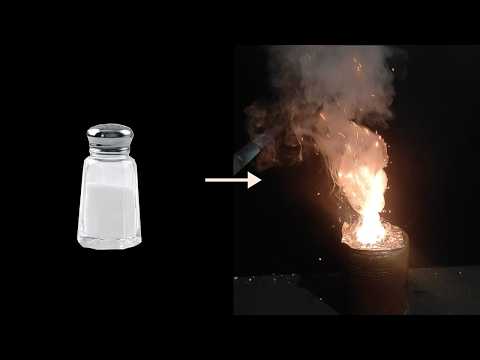
So, picture this: you’re sitting around a campfire with friends, and someone decides to launch a firework. The bang, the flash—everyone’s oohing and aahing, totally mesmerized. Now, what if I told you that the same stuff that makes those fireworks pop is kinda similar to what rockets use to blast off? Pretty wild, right?
Let’s chat about ammonium perchlorate. Yeah, it sounds like something from a chemistry lab, but it’s actually one of the coolest ingredients in modern rocket propellants. Seriously! This compound helps rockets reach for the stars, quite literally.
Think of it as rocket fuel’s secret weapon. It’s got power and energy that can send you soaring into space in no time. And trust me, there’s a ton of science behind it that makes all this magic happen. So grab a snack and let’s break down why ammonium perchlorate is such a big deal for the space industry!
Evaluating Ammonium Perchlorate as a High-Efficiency Solid Rocket Fuel: A Scientific Analysis
So, let’s talk about ammonium perchlorate. You might have heard of it as a solid rocket fuel component, especially in those big rockets that take astronauts to space or satellites into orbit. But what’s the deal with it? Why is it in demand? Well, first things first.
Ammonium perchlorate (AP) is a white crystalline compound that’s known for being a high-energy oxidizer. This means it helps fuel burn really hot and fast when combined with the right materials. Think of it like the turbo boost for a rocket engine. It provides the oxygen that fuels need to burn, which is super crucial since rockets operate in space, where there’s no air, you know?
Now let’s break down why ammonium perchlorate’s kind of a superstar in rocket propellants:
- High Energy Density: AP has a really good energy output for its weight. This means you can get more energy without carrying around tons of heavy stuff.
- Stability: It’s pretty stable under normal conditions. Unlike some fuels that can explode at the slightest bump, AP can be stored safely for long periods.
- Performance: When compared to other solid fuels, AP burns hotter and more efficiently. Engineers love this because it translates into better thrust.
- Compatibility: It mixes well with other chemicals used in solid propellants—like powdered metals—and this combo can help enhance its performance even more.
But it’s not all sunshine and rainbows! There are challenges too.
For starters, ammonium perchlorate can produce harmful by-products upon combustion. These include chlorine gas and other toxic compounds which aren’t exactly friendly to our atmosphere or health. Plus, handling AP requires caution; even though it’s stable under normal conditions, improper storage or mixing could lead to accidents—yikes!
There’s also something called “grain structure”. The way AP is formed into pellets affects how it burns. If the grain size isn’t right or if there’s too much moisture, it can impact performance and reliability.
And here’s a little emotional angle: Imagine standing on the launch pad during countdown; your heart’s racing as you watch the rocket filled with ammonium perchlorate ready to blast off! The moment that ignition happens and flames erupt from the engine—it’s astonishing! But behind that excitement lies serious science: countless hours spent evaluating every aspect of how AP behaves under different conditions.
So yeah, assessing ammonium perchlorate as a high-efficiency solid rocket fuel involves not just looking at its energy potential but also understanding its safety aspects and environmental impacts. Scientists work hard to balance these pros and cons because every launch counts; lives depend on making sure everything goes smoothly.
In summary, ammonium perchlorate stands out as an effective option for modern rocket propellants—its efficiency is fantastic—but like anything else revolutionary in science, it’s vital we handle it wisely and continue evaluating its effects on our world!
Exploring the Most Common Oxidizer in Modern Liquid Fuel Rockets: A Scientific Overview
There’s something pretty exciting about rockets, right? The roar of engines, the thrill of launching into space. Well, a big part of what makes that rocket engine go “vroom” involves something called an oxidizer. And if we’re looking at modern liquid fuel rockets, one of the most common players in this game is **ammonium perchlorate**.
So, what’s the deal with ammonium perchlorate? Basically, it’s a chemical compound that helps fuel these powerful engines by providing oxygen for combustion. Here’s where it gets interesting: in rocket science lingo, an oxidizer is needed because there isn’t enough oxygen up there in space to burn the fuel effectively.
Now, ammonium perchlorate is made up of ammonium (which kind of sounds like ammonia, right?) and perchlorate ions. When they combine and get heated up, a reaction kicks off that produces gases—lots and lots of gases—which expands and pushes against the engine chamber walls to create thrust.
But why use ammonium perchlorate over other oxidizers? Well, for starters:
One time I was watching this rocket launch on TV—like a little kid glued to the screen—and they showed how they mix ammonium perchlorate with other ingredients to create solid rocket propellant. You could almost feel the excitement—it’s like making a cake! You’ve got your dry ingredients (the oxidizer) and your wet ones (the fuel). When you bake them together under high pressure and heat during ignition? Boom! Rocket science magic.
Now while ammonium perchlorate is super useful, it’s not without its downsides. The production process can be pretty harsh on the environment since it involves some serious chemicals. Plus, when rockets burn this compound, they generate certain gases that aren’t exactly best friends with our air quality.
At the end of the day, though, ammonium perchlorate remains a key ingredient in many modern rocketry endeavors—from launching satellites into orbit to daring missions aimed at exploring new worlds beyond our own. Isn’t that just wild? There’s something awe-inspiring about knowing how much chemistry goes into getting us off this planet! So next time you see a rocket soaring into space, remember this clever little oxidizer helping propel dreams into reality!
Legal Status of Ammonium Perchlorate in the United States: Implications for Scientific Research and Industry
So, let’s talk about ammonium perchlorate. This chemical is a big player in the world of rocket propellants. Its legal status in the U.S. can be a bit of a maze, full of twists and turns that impact both scientific research and industry practices.
First up, it’s important to know that ammonium perchlorate is classified as an *oxidizer*. This means it helps fuel burn hotter and faster—super useful for rockets! But with great power comes great responsibility, right? That’s why its use is regulated.
In the U.S., the Environmental Protection Agency (EPA) has been keeping a close eye on ammonium perchlorate due to its potential environmental impacts. It can contaminate water supplies and has health implications if ingested over time. Water contamination from ammonium perchlorate can disrupt thyroid function, which is pretty serious stuff.
So, what does this mean for researchers? Well, they have to navigate a patchwork of regulations. Researchers must ensure that they follow guidelines set by both the EPA and local state agencies. Approval processes can really slow down projects, which isn’t ideal when you’re racing against time in scientific fields like aerospace.
And industry? Oh boy! Companies involved in rocket propulsion need to stay compliant too. They often spend big bucks on environmental assessments just to use ammonium perchlorate safely. If they don’t comply with environmental laws, they risk fines or shutdowns—definitely not good for business!
Another point worth mentioning is that there are alternative oxidizers being researched. These alternatives could potentially lessen environmental risks while still providing effective propulsion. But shifting away from ammonium perchlorate isn’t an overnight change; it’s complicated.
You might be curious about how these regulations affect innovation. The truth? They sometimes do hinder development but also push scientists and engineers to think outside the box! So while some companies might feel stifled by red tape, others see it as a challenge to innovate better solutions.
In summary:
- Ammonium perchlorate plays a crucial role in rocket propellants.
- Its use is heavily regulated due to environmental concerns.
- Researchers must navigate complex approval processes.
- Industries face significant costs for compliance with environmental laws.
- Alternative oxidizers are being explored but require time for adoption.
So yeah, the legal status of ammonium perchlorate really shapes how we think about rocket science today—balancing safety with innovation isn’t easy!
So, ammonium perchlorate. Sounds like a mouthful, right? But it’s actually super interesting if you’re into rockets and space stuff. Picture this: you know those bright trails you see in the sky when a rocket launches? They often owe their impressive power to ammonium perchlorate, which is a key component in modern solid rocket propellants.
I remember watching a shuttle launch on TV when I was a kid. The excitement was palpable! Seeing that massive firework shoot off into the sky was just mind-blowing. And now, knowing how ammonium perchlorate plays a role in all that makes me appreciate it even more.
Okay, let’s break it down a bit. Ammonium perchlorate is made up of ammonium ions bonded with perchlorate ions. What makes it special is its ability to generate gas very quickly when ignited. When you light it up, it basically releases tons of hot gases that expand rapidly, propelling rockets at incredible speeds.
But here’s the kicker: while ammonium perchlorate is super effective as a fuel source, there are some environmental concerns tied to its production and use. It can be harmful if released into water sources because it messes with ecosystems. I mean, it’s sort of like having your favorite toy but realizing that it’s not good for the playground—definitely tricky.
One time I chatted with an aerospace engineer who explained how they’re constantly looking for alternatives to reduce environmental impact while still keeping the performance up. It’s like walking a tightrope! You want something powerful enough to send astronauts to space, but not at the cost of our planet.
So yeah, as cool as ammonium perchlorate is for pushing rockets beyond our atmosphere, it does make you think about balance: exploration versus protection of our environment. And that’s something we definitely have to consider as we reach for the stars!