You know what’s funny? The other day, I was trying to explain some super cool science stuff to my dog. Yeah, I know, he just stared at me like I had three heads! But then it hit me: we often take our ability to talk and listen for granted.
Like, have you ever paused to think about how we actually produce speech and hear sounds? It’s pretty mind-blowing. From wiggly vocal cords to those tiny bones in your ear, everything plays a part in this crazy symphony of communication.
Seriously, anatomy and physiology of speech and hearing is like a backstage pass into the concert of life. It’s not just about talking; it’s about understanding each other, sharing thoughts, and connecting with the world around us. So let’s unravel this fascinating web together!
Exploring the Roles of Speech, Language, and Hearing Scientists in Advancing Communication Sciences
So, let’s talk about speech, language, and hearing scientists. These folks are like the superheroes of communication. They play a huge role in helping us understand how we talk, listen, and connect with each other. Basically, they’re on a mission to improve how we communicate across the board.
First off, you gotta know that speech scientists focus on the mechanics of speaking. This means they look at everything from how our vocal cords vibrate to how we articulate sounds. It’s pretty cool when you think about it! For instance, did you know that our mouth shapes sounds differently? That’s called articulation. It’s the reason why “p” sounds pop out while “s” sounds slide smoothly.
Then there are language scientists. They dig into how we use words and form sentences. Think about it like building blocks; they want to understand the rules we follow when constructing our language castles! They study grammar, vocabulary, and even how kids learn to speak. Picture a little toddler saying “me goed” instead of “I went.” That’s natural development!
Now let’s not forget about hearing scientists. These guys focus on the auditory side of things—like how we detect sound waves and process what we hear. They examine everything from how sound travels through air to how our brain interprets those signals as music or someone’s voice saying your name across a crowded room.
Each of these specialties feeds into the broader field of communication sciences. Here’s where it gets really interesting: by understanding speech and hearing anatomy—like how the ear works or which parts of your brain light up when you listen—they can develop better treatments for people with communication disorders.
Look at this from another angle: consider someone who has trouble speaking after a stroke. Speech-language pathologists (SLPs) work closely with these scientists to devise therapies tailored specifically for them. The insights gained from research can lead to more effective rehab strategies!
But it doesn’t stop there! These professionals also play a vital role in advancing technology related to communication. You know those super cool hearing aids? Yeah, hearing scientists help design those so they’re more effective for users—making it easier for folks to engage in conversations again.
What’s really amazing is that these experts collaborate across disciplines too! A speech scientist might work with an audiologist to find out why someone struggles with both their speech and their hearing capabilities. This teamwork helps provide comprehensive care and fosters innovation within the field.
In summary:
- Speech scientists: Focus on mechanics of speaking.
- Language scientists: Study word usage and grammar.
- Hearing scientists: Examine sound detection and processing.
Just imagine all the ways this knowledge impacts lives—helping children learn to speak clearly or assisting adults who’ve lost their voice regain their ability to communicate effectively. It’s kind of beautiful when you think about it! So yeah, next time you chat with someone or enjoy your favorite song, remember there are brilliant minds working behind-the-scenes making all that possible!
Comprehensive Overview of Anatomy and Physiology in Speech and Hearing: Downloadable PDF Resource
So, let’s chat about the anatomy and physiology behind speech and hearing. This stuff is super interesting, and it really helps us understand how we communicate and perceive sounds. Picture yourself at a bustling café, sipping your coffee while chatting with a friend. You’re both speaking and listening effortlessly, right? That magic is all thanks to some complex systems in our bodies.
First off, **anatomy** refers to the structures involved in speech and hearing. Think about it this way: you’ve got your mouth, throat, ears, and even your brain playing vital roles here. Here are some key players:
- The Lungs: These are like the engine of our speech! They provide air for sound production.
- The Vocal Cords: Located in the larynx (or voice box), these little flaps vibrate when air passes through them to create sound.
- The Articulators: This includes your tongue, lips, and palate—all working together to shape those sounds into clear words.
- The Ears: Our ears pick up sound waves from the environment. They’re crucial for hearing what others say.
- The Brain: This is where all the magic happens! It processes what you hear and coordinates your response.
Now let’s talk about **physiology**—this is more about how these structures work together. So when you speak or hear something, there’s a whole bunch of processes happening under the hood.
When you exhale air from your lungs, it’s like releasing pressure on a balloon! The air flows through your vocal cords. If they come together tightly, you get a high-pitched sound; if they stay relaxed, it’s lower. Amazing how just tweaking that tension changes everything!
Once that sound is created, it travels through the air—making waves—until it reaches someone else’s ears. Inside our ears are tiny hairs called cilia that pick up these vibrations. It’s like they’re dancing along to the tune! This information then zips up to the brain via nerves.
And guess what? Speech isn’t just biological; it’s also social! When we talk with friends or family or even strangers—it can be emotional too! Like that feeling when you hear a song that reminds you of a special moment? That connection comes from how our brains interpret those sounds based on experiences.
Understanding all this can help with things like teaching people who have speech difficulties or improving technologies for better hearing aids. It really shows how interconnected everything is—not just in our bodies but within society too.
So next time you’re lost in conversation or enjoying some music, remember there’s a beautiful blend of anatomy and physiology at play making it all possible!
Exploring the Anatomy and Physiology of Speech and Hearing: A Comprehensive Scientific Guide
So, let’s get into the nitty-gritty of how we talk and hear. It’s pretty fascinating and honestly, it’s something we do every single day without even thinking about it! You know that feeling when you’re lost in a conversation, just flowing with words? That’s your anatomy and physiology working like a well-oiled machine.
First off, speaking involves several key players in our body. One of the most important is the vocal cords, or vocal folds as some folks call them. They sit in your larynx (that thing we sometimes refer to as the voice box) and they vibrate when air from your lungs passes through—kind of like how a guitar string vibrates when you pluck it!
- Lungs: They are responsible for supplying the air needed for speech.
- Larynx: This acts as a valve that opens and closes to control airflow.
- Tongue: Seriously, this guy is crucial for shaping sounds. It moves around to create different letters and sounds.
- Lips: Like the cherry on top! They help articulate sounds we make.
The process starts with our brain sending signals to these organs telling them what to do. Imagine getting ready for karaoke night: your brain is buzzing with excitement, sending commands to your vocal cords to start singing those high notes!
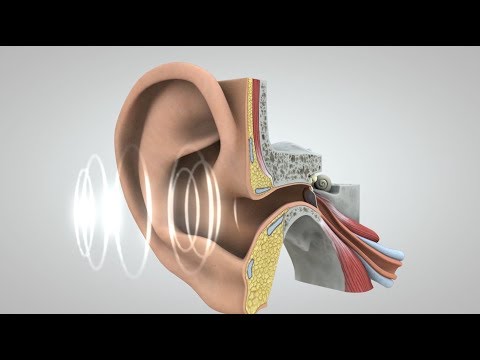
And now, let’s switch gears a bit and talk about hearing. It might seem simple—just sound entering our ears, right? But it’s actually more complicated than that. Sounds travel in waves through the air, entering our ears where they encounter several structures.
- Auricle: Also known as the outer ear; this part helps funnel sound waves into your ear canal.
- Eardrum: This thin membrane vibrates when sound hits it; it’s like a drum responding to beats!
- Cochlea: Here’s where things get really cool! This snail-shaped structure transforms those vibrations into signals that can be understood by your brain.
Your brain then interprets these signals, allowing you to recognize music not just as noise but as something beautiful! Think about your favorite song playing in the background while hanging out with friends—it becomes part of a moment that you’ll remember forever.
You see how interconnected everything is? Speech and hearing are like dance partners in this amazing rhythm of communication. When one side is working well, so does the other. But if there are hiccups—like losing your voice or experiencing hearing loss—things can get tricky real fast. It reminds me of that time I had a raspy voice during finals week; I felt so cut off from everyone!
The human body truly is an incredible system—each piece plays its role just perfectly so we can express ourselves and connect with others. Knowing about all these parts makes you appreciate every conversation a little bit more, don’t you think?
If you ever find yourself struggling with speech or hearing issues, it’s worth checking in with professionals who specialize in audiology or speech-language pathology. They can help bring back that flowy feeling of communication!
The next time you’re chatting away or jamming out to tunes, give yourself some credit for all those complex systems at work making it happen!
When you think about speech and hearing, it’s easy to take them for granted. I mean, we do it every day without even thinking about it, right? But if you pause for a second and consider the incredible machinery required for us to communicate and connect with one another, it’s pretty amazing.
Let’s kick things off with how we make sounds. Our voice box, or larynx, is like this little powerhouse of sound. When we breathe out, air from our lungs passes through it. And when the vocal cords—those two tiny flaps of muscle—vibrate together, that’s how we produce different pitches and tones. It’s like a natural instrument! Sometimes I think back to when I tried singing karaoke for the first time. My friends were cheering me on, but honestly, my voice sounded more like a cat in distress than a pop star! Still, there’s something magical about using your own voice to express feelings or stories.
Now onto hearing. This is where things get really cool. Sound waves travel through the air and hit our eardrums—those tiny membranes in our ears that vibrate in response. From there, those vibrations get transformed into nerve signals that travel all the way to our brains. It’s wild to think of how your brain interprets these signals as music or someone saying your name across a busy room.
And here’s something intriguing: did you know that your ears and mouth work together? Like when you’re at a party attempting to hear someone talk over loud music? Your brain is actually processing both what you’re hearing and how you’re forming words at the same time! It’s multitasking at its finest.
But here’s where it gets even more personal. Imagine you’re having an important conversation with someone close to you—maybe it’s about feelings or dreams—and suddenly they don’t seem to understand what you’re saying because of an auditory processing issue or something else entirely. That frustration can be super tough! It reminds us just how crucial good communication is for connecting with others.
So yeah, the anatomy and physiology of speech and hearing reveal just how intricately we human beings are designed to connect through sound. It brings everything full circle: our ability to speak and listen shapes relationships and communities in ways that are fundamental to who we are as people. Isn’t that something worth appreciating a little more each day?