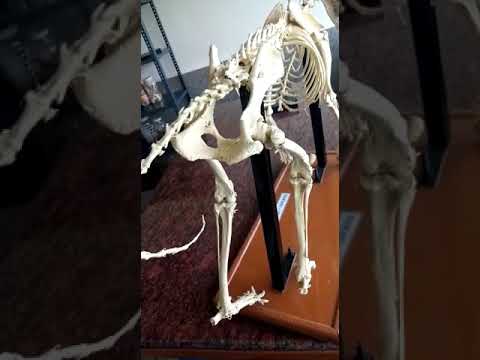
You ever see a dog try to squeeze through a tight spot? It’s like watching a clumsy acrobat go for gold! But seriously, our furry friends are pretty amazing when it comes to their anatomy.
Let’s chat about something that doesn’t get enough love: the pelvic anatomy of dogs. Sounds kinda boring, right? But hang on! It plays a huge role in their overall health.
Imagine if your pup’s hips could talk. They have stories to tell about movements, jumps, and all those goofy spins they do chasing their tails. That’s not just cute—it’s crucial for keeping them happy and healthy!
So yeah, let’s dig into why understanding this part of doggy anatomy is super important, and trust me, it’s more exciting than it sounds!
Understanding Female Pelvic Anatomy in Canines: Implications for Canine Health and Veterinary Science
Understanding female pelvic anatomy in dogs is pretty crucial for both their health and veterinary practices. You know, knowing the ins and outs of their anatomy helps veterinarians diagnose problems more effectively and offer better care. So, let’s break it down a bit.
First off, the **pelvis** itself is basically the bony structure located at the back end of the body. In female dogs, this area plays an important role in reproduction but also relates to overall health, mobility, and even certain behaviors. The **pelvic inlet**, which is the top opening, can also deal with issues during birth, especially if there are complications or if the pup is larger than expected.
When it comes to **female canine anatomy**, several key structures come into play:
- Ovaries: These are like little bean-shaped organs that produce eggs and hormones.
- Fallopian Tubes: They connect the ovaries to the uterus. Sperm travels through here when mating occurs.
- Uterus: This is where puppies develop during pregnancy. It’s divided into two main parts called horns.
- Cervix: This acts as a barrier between the uterus and vagina and has an important role during pregnancy.
- Vagina: It’s the passage leading from the cervix to the outside world. Basically, it’s how pups make their entrance into life!
Now, imagine a scenario where your dog gets pregnant but has a tight pelvis due to genetic factors or past injuries. This narrowing can lead to difficulties during birth—something veterinarians call *dystocia*. They need to assess pelvic size carefully before deciding on actions like natural delivery or Cesarean sections.
But wait—there’s more! Knowing pelvic anatomy helps with understanding urinary health too. Female dogs are more prone to urinary tract infections (UTIs) because of their shorter urethra compared to males. Plus, conditions like **vaginitis** or even **pyometra** (a serious infection of the uterus) can be influenced by how everything fits together in that area.
Also interestingly enough, this knowledge isn’t just for females who are pregnant or have had puppies; it impacts spaying as well! During spaying surgery, veterinarians remove ovaries and often part of the uterus. Understanding these anatomical relationships means they can avoid complications while ensuring a quicker recovery for your furry friend.
You see? Knowing all this stuff about female pelvic anatomy in canines turns out not only helpful but essential for maintaining good health in our pets. It helps vets provide ways to manage issues before they escalate and keep your pup happy and healthy! That’s always worth paying attention to!
Understanding Male Pelvic Anatomy in Dogs: Implications for Canine Health and Veterinary Science
So, let’s chat about male pelvic anatomy in dogs. It might seem like a niche topic, but understanding it really helps in keeping our furry friends healthy. You might not think about it often, but the pelvis is crucial for a bunch of reasons!
The male dog’s pelvis supports vital functions. It houses not just bones but also organs and tissues that are super important for reproduction and urinary health. To break it down:
- Structure: The pelvic region is made up of several bones, including the ilium, ischium, and pubis. Together, they form a sturdy ring that protects internal structures.
- Muscle Connection: Muscles in this area help with movement and provide support for things like urination and mating. Without strong muscles here, you could see some problems arising.
- Blood Supply: There’s a rich blood supply in the pelvic area. This means any injury or disease can impact overall health pretty quickly.
You know how we sometimes joke about “having to go” before going out for a walk? Well, the doggy equivalent is driven by their pelvic anatomy! If something’s off in there—like an infection or injury—it can change how they pee or even produce offspring.
Now, let’s get real about health implications.
- Pee Problems: If there’s swelling or issues like prostatitis (inflammation of the prostate), it can lead to frequent trips outside or difficulty urinating.
- Surgery Insights: Understanding the pelvic structure is crucial for vets when performing surgeries like neutering or fixing fractures. They need to know where everything is!
- Aging Issues: Older dogs may suffer from conditions affecting their pelvis and associated organs. Things like arthritis can make movement tricky!
An example to think about: when my buddy’s pup started having issues peeing normally, he thought it was just old age. But after checking with the vet—who understood his dog’s pelvic anatomy—they found an enlarged prostate! With treatment tailored to his needs, things got much better.
If we think big picture here, knowing this stuff isn’t just academic—it impacts daily health care for our pets. Vets armed with knowledge about male pelvic anatomy can make informed decisions leading to better outcomes for their furry patients.
So basically, whether it’s helping your pooch avoid urinary issues or addressing age-related changes, understanding male pelvic anatomy sets the stage for better canine health management overall! And who wouldn’t want that?
You know, when you think about dogs, their wagging tails and droopy ears often steal the spotlight. But there’s a lot happening underneath that adorable exterior, especially in the pelvic region. It’s one of those things that doesn’t get much attention until there’s a problem, which is kind of sad because understanding this part of their anatomy is super important for keeping them healthy.
The dog pelvis has some vital roles. First off, it supports everything from the spine to the hind legs, acting like a sturdy base for movement and stability. Imagine how tough it must be for them to play fetch or jump around without this structure holding everything in place! And while it might not be the most glamorous topic—like discussing how your friend always eats spaghetti with their hands—knowing about pelvic anatomy can really make a difference in how we care for our furry pals.
I remember my neighbor’s golden retriever, Max. One day, he started limping and looked all sorts of uncomfortable. After a visit to the vet, they discovered an issue with his pelvis that hadn’t been obvious at first. Once they treated it, he was back to chasing squirrels in no time! It was kind of a wake-up call about how crucial that area is and how easily things can go wrong if we’re not paying attention.
The bones in the dog’s pelvis help protect some pretty important organs too. The bladder and reproductive organs are tucked away safely inside there, so any injury or condition affecting this area could lead to bigger health nightmares down the road. So keeping an eye on your dog’s mobility and behavior really matters; changes might hint at something more serious going on.
And then there’s breeding considerations! For certain breeds, having knowledge about pelvic anatomy can even help avoid complications during whelping (that’s just fancy talk for giving birth). You’d want to ensure that both momma dog and her puppies are safe during that whole process.
Anyway, next time you’re snuggling up with your pup or watching them sprint around the yard like they own the place, take a moment to appreciate what’s going on beneath all that fur and muscle. A little knowledge about pelvic anatomy not only helps us understand our dogs better but also empowers us as caretakers to keep them happy and healthy throughout their lives!