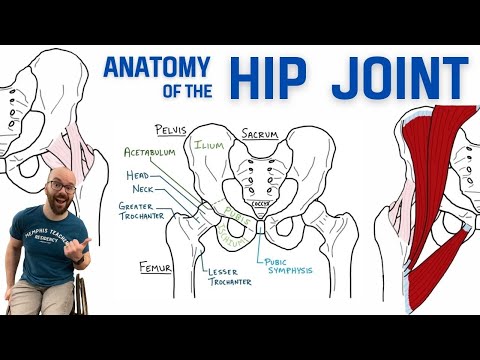
You know, talking about male pelvic anatomy isn’t exactly the hottest topic at a dinner party, right? But hang on a sec. Did you know the pelvis is like this unsung hero in a guy’s body?
Think of it as the support system for all sorts of important stuff down there. Seriously! It holds up organs and keeps everything in place. Imagine trying to walk around without that structure—yikes!
I remember my buddy who once thought he pulled a muscle down there just from squatting wrong. We had such a laugh until we realized how much he didn’t know about what was going on inside him! It got me thinking about how little we actually understand our own bodies sometimes.
So, let’s unpack this whole male pelvic anatomy thing together. Trust me, it’s way more interesting than you might think!
Detailed Examination of Male Pelvic Anatomy: Front View Insights in Human Biology
Sure, let’s spill the beans on male pelvic anatomy—like, from a front view perspective. Sounds kinda serious, but don’t worry; I’ll keep it light and easy to digest.
First off, the **pelvis** is like the sturdy bowl at the base of your spine. It’s made up of several bones that connect your upper body to your legs. This structure isn’t just for looks; it plays a key role in supporting, well, a lot of important stuff.
You’ve got three main parts in this bony structure:
1. Ilium: This is basically the big, flared part you can feel at your hips when you put your hands on your sides. Think of it as the wings that give stability to your body.
2. Ischium: These are the bones you sit on—yeah, those! They’re at the bottom part of the pelvis and help support weight when you’re chilling out.
3. Pubis: This is in front and comes together with other pubic bones to form what’s known as the **pubic symphysis**. It’s like a little shock absorber between the two halves of your pelvis.
Now here’s where things get interesting: it’s not all about bones! Surrounding this bony framework is a bunch of soft tissues and organs that are pretty important too.
The pelvic cavity is like an underground room housing quite a few essential players:
Now let’s talk about muscles because they’re super essential for everything down there too! There are muscles like the **pelvic floor muscles**, which create a sort of hammock that supports these organs. They also help control urination or defecation by contracting and relaxing.
Remember how I said this anatomy isn’t just for aesthetics? Well, besides housing organs and ensuring support, it also plays a role in things like sex and childbirth (in females). Fun fact: The male pelvis has a different shape compared to females; it’s generally narrower and taller which affects how certain activities go down!
One little story for you: I once overheard two friends arguing over whether men have more issues down there than women. Turns out, pelvic health affects everyone but often gets ignored! Knowing how our bodies work can help us understand symptoms or discomfort better—like if someone feels pain during certain activities or experiences urination issues.
So yeah! That was a quick stroll through male pelvic anatomy from a front view perspective. It might seem silly at first glance but knowing about these structures helps us appreciate our bodies way more than we might think!
Comprehensive Overview of Male Pelvic Anatomy: Structure, Function, and Clinical Implications in Human Biology
Understanding Male Pelvic Anatomy can seem a bit daunting at first, but it’s really about knowing how everything fits together and works. The male pelvis isn’t just a bony structure; it’s a complex area that supports various functions like, well, reproduction and urination. You might not think about it much, but this area is crucial!
First up, let’s talk about the basic structure. The male pelvis consists of the ilium, ishium, and pubis. These bones form a kind of bowl shape that supports the organs above and helps with mobility. The pelvic inlet is the top opening of this bowl, while the pelvic outlet is at the bottom—where things exit, if you catch my drift.
Now, within this bony frame lies a lot more than just bones. There are muscles too! The pelvic floor muscles are super important as they help hold everything in place—think of them as the supportive netting for your organs. They play a vital role in urinary control and sexual function. Without these muscles working properly, well… things can get complicated.
And let’s not forget about organs! In males, you’ll find several important structures hanging out in the pelvis:
- Bladder: This is where urine collects before you feel that urge to go.
- Prostate gland: It produces some fluid that mixes with sperm to form semen.
- Seminal vesicles: These glands also contribute fluids to semen and sit right near the prostate.
- Ejaculatory ducts: These ducts help transport sperm during ejaculation.
Each of these components has its own role in male reproductive health.
Now onto function—because why does all this anatomy matter? Well, the male pelvis serves two main functions: urination and reproduction. The urinary system needs that bony support to maintain your bladder’s shape while also providing pathways for urine to exit your body. And when it comes to reproduction? Everything from hormone production to sperm transportation happens here.
You know what’s interesting? If you’ve ever had issues down there—like chronic pain or difficulties while urinating—it could be linked back to problems with pelvic anatomy or muscle function! It’s like a ripple effect; if one part isn’t working properly, other systems might get thrown off too.
So what are some common clinical implications related to this anatomy? For starters:
- BPH (Benign Prostatic Hyperplasia):This condition makes it hard to urinate due to an enlarged prostate.
- Pelvic floor dysfunction:This can lead to issues like incontinence or painful intercourse—yikes!
- Cancers:Cancers affecting any of these organs can have serious consequences for overall health.
It’s crucial for healthcare providers to understand this anatomy thoroughly so they can spot potential problems early on. You see how connected everything is? One issue might lead to another if left unchecked.
In short, male pelvic anatomy isn’t just an academic topic; understanding it helps us grasp how our bodies function daily. It highlights how interconnected our systems are and underscores why taking care of these parts matters so much!
Understanding the Anatomy and Function of Male Pelvis Muscles in Human Biology
When we talk about the male pelvis, it’s like peeking into a secret compartment of the human body. The anatomy down there is not just about bones; it’s also about muscles that play a major role in various functions. So, let’s break it down.
The Structure of the Male Pelvis
The male pelvis is different from the female one, mainly because it’s designed for things like stability and support for physical activities. You’ve got a heart-shaped inlet and narrower sciatic notches. This shape isn’t just aesthetic; it helps with walking and running, as well as bearing weight.
The Key Muscles
Now, let’s talk about muscles! The major players here include:
- Pelvic Floor Muscles: These are basically a hammock of muscles that support the pelvic organs like the bladder and rectum. They keep everything in place!
- Transverse Abdominis: While technically part of the abdomen, this muscle wraps around your torso and helps stabilize your core. Think of it as your internal corset.
- Iliopsoas: This combo of two muscles (iliacus and psoas major) helps you flex your hip joint. It’s key for things like walking or running.
Functions at Work
The pelvic muscles do some pretty crucial stuff. They help with urination control, ensuring you can relax or contract those muscles when you need to go. Ever had to hold it in? That’s your pelvic floor coming to the rescue!
These muscles also play a role during sex—yes, they help with erections by controlling blood flow to certain areas. Plus, strong pelvic floor muscles can enhance sexual performance—so there’s more than one reason to keep them in shape!
Anecdote Time
I remember my friend always complaining about back pain after he took up running again. After some poking around with his doctor, he learned those tight hips were related to weak pelvic muscles! Once he added targeted exercises into his routine, not only did his back hurt less, but he also felt more stable while sprinting! Crazy how interconnected everything is down there.
Mental Health Connection
You might be thinking: What does this have to do with mental health? Well, studies show that strong pelvic floor muscles can positively impact confidence and body image in men. Feeling good about your body can have ripple effects on your mental state!
A Quick Wrap-Up
The male pelvic area is super complex but essential for many everyday functions—be it keeping you dry or enhancing enjoyment in life! So next time you think about anatomy, remember: there’s so much more going on underground than we often realize.
So, let’s chat about something that doesn’t really get a ton of attention—male pelvic anatomy. It sounds super clinical, right? But honestly, understanding what’s going on down there can be pretty enlightening.
Picture this: you’re sitting in class, and the teacher starts drawing diagrams of the human body. You see the heart, lungs, brain—everyone’s like, “cool,” but then they get to the pelvis and it’s like… crickets. But here’s the thing—you know just how essential that area is! It’s not just about what you see on the surface; there’s a lot happening beneath that bony structure.
The male pelvis is like this sturdy base that supports a bunch of crucial organs. You’ve got your bladder hanging out up there, along with parts of the reproductive system. That means everything from urination to reproduction is influenced by how well these parts work together. Think about it! If any part of that system isn’t functioning right, it can lead to some pretty significant issues down the road.
And then there are those muscles. The pelvic floor muscles are like this unsung hero group holding everything up and in place. They’re involved in controlling all sorts of things—like when you gotta go vs. when you can hold it together. Trust me; if you ever had to run for a bathroom, you know exactly how important those muscles are!
I remember talking to my buddy once after he had some challenges related to this area. He opened up about how uncomfortable it was—physically and emotionally—to deal with certain issues. It shocked him how much something so “hidden” could affect his daily life and confidence! Like, who knew?
So getting a better grasp on male pelvic anatomy isn’t just for medical folks; it’s really valuable knowledge for everyone! Whether it’s understanding physical health or reducing stigma around these topics, being informed helps demystify what goes on down there.
To wrap it up—for all its complexity and sometimes unspoken nature, male pelvic anatomy plays a crucial role in our overall well-being. And hey, next time someone brings up anatomy in casual conversation (or even if they don’t), you’ll have your own insights to share! You follow me?