So, picture this: you’re chilling with friends, and someone mentions they’ve got back pain that feels like they’re carrying a heavy backpack, but it’s been glued to their spine. Sounds dramatic, right? But here’s the kicker—this could be for real for many people dealing with ankylosing spondylitis.
Now, you might be wondering what this fancy-sounding name means. Well, it’s basically a type of arthritis that messes with your spine and can totally cramp your style. But here’s where it gets interesting: diagnosing it isn’t just about toughing it out or guessing what’s wrong. Nope! With all the advancements in radiology these days, doctors are getting super clever about spotting it early.
I mean, how cool is that? Like having superhero vision for your bones! Seriously though, every little breakthrough helps in catching this condition before it becomes a full-on pain in the neck (or back). So let’s chat about how these rad advancements are helping folks get the right diagnosis sooner rather than later.
Latest Breakthroughs in Ankylosing Spondylitis: Advances in Treatment and Understanding
Ankylosing spondylitis (AS) is one of those conditions that can seem pretty daunting. It’s a type of arthritis that mainly affects your spine, but it can also impact other joints. The thing is, it can lead to some serious stiffness and pain. So, if you’re dealing with it or know someone who is, you probably want to know what’s new in understanding and treating this condition.
Recently, there have been some cool breakthroughs in how we diagnose AS, especially thanks to advancements in radiology. You know how before it was all about patience and waiting for symptoms to show up clearly? Well, radiologists are now using more advanced imaging techniques to catch things way earlier than they did before.
- MRI Scans: Magnetic Resonance Imaging has become a game changer. Instead of only seeing structural changes like fusion of the vertebrae—which can take years—we’re now able to spot inflammation in the joints early on. This means doctors can start treatment sooner.
- CT Scans: Computed Tomography scans are also proving useful by giving detailed images of the bones and joints. These 3D images help identify changes that might not be visible on regular X-rays.
- Ultrasound: Believe it or not, this technique isn’t just for checking on babies! It’s being used to assess inflammation directly in the spine or other affected areas in real-time.
I remember reading about a young athlete who had back pain for years but wasn’t diagnosed until much later due to limited imaging options. With these new methods, stories like his might become less common. Early diagnosis can not only help manage symptoms but also improve quality of life.
Now let’s talk about treatments because that’s where things are getting really interesting too. There’s been an increase in understanding how our immune system works—specifically how it plays a role in AS.
- Biologics: These medications target specific parts of the immune system that cause inflammation. They’ve been revolutionary for many people with AS who didn’t respond well to traditional treatments.
- JAK Inhibitors: Another class that’s gaining traction are Janus kinase inhibitors. They work differently from biologics and can be taken orally, making them super convenient.
Imagine being able to manage your pain without needing injections every time! That definitely adds some relief into the mix.
So yeah, we’re seeing significant shifts when it comes to understanding and treating ankylosing spondylitis these days. The combination of advanced radiology techniques with cutting-edge treatment options means people could potentially lead fuller lives while managing their symptoms better.
It’s pretty exciting stuff happening here! The more we learn about AS—and the faster we catch it—the better off everyone will be in dealing with this challenging condition.
Role of Radiologists in Diagnosing Ankylosing Spondylitis: Insights and Techniques
So, let’s talk about ankylosing spondylitis (AS), a type of arthritis that primarily affects the spine. It can be painful and really affect mobility. But here’s where radiologists come in. Their role in diagnosing AS is super crucial, and they use some pretty cool techniques to help figure it out.
The first thing you should know is that diagnosing AS isn’t always straightforward. Symptoms can vary a lot from person to person. You might have back pain, especially in the morning or after sitting for a long time, but some folks don’t experience that at all! That’s one reason why radiologists are key players here.
Radiologists are like detectives of the medical world. They analyze various imaging techniques to spot changes in your bones and joints. Here are some of the main tools they use:
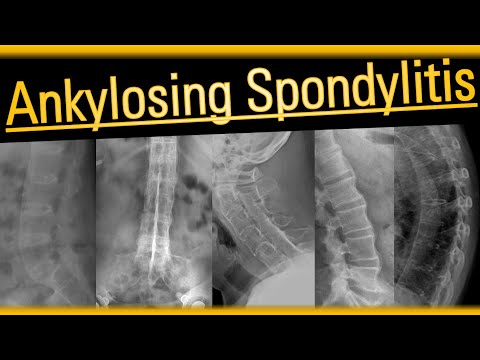
- X-rays: Good old X-rays are often the first step. They can show changes in the vertebrae that hint at AS, like fusion or inflammation.
- MRI: This is where things get a bit more high-tech! MRIs provide detailed images of soft tissues, which helps identify inflammation before any damage shows up on X-rays.
- CT scans: These give even clearer views than standard X-rays and can highlight specific areas of concern, like sacroiliitis—the inflammation of joints between your spine and pelvis.
You see, each method has its own strengths. For example, while X-rays may show obvious signs after years of having AS, MRIs can catch early signs much sooner—like catching a thief before they even break into your house!
The radiologist’s job doesn’t stop at just reading images though. They often collaborate with rheumatologists—doctors who specialize in arthritis—to confirm diagnoses and develop treatment plans together. It’s all about working as a team here.
But wait… there’s more! Radiologists also play vital roles after diagnosis too! Monitoring disease progression is key to managing AS effectively. As treatment adjusts over time, imaging helps track how well it’s working by showing changes (or lack thereof) in inflammation or bone structure.
Now let’s touch on advancements in radiology technology. With improvements in imaging techniques and software enhancement, radiologists are getting better at spotting subtle changes related to AS sooner than ever before!
If you think about it, these advancements mean less waiting around for answers when you’re hurting. It also means more targeted treatments which can lead to better outcomes for patients down the line.
In conclusion (I know I said not to conclude!), but you get my drift: radiologists hold an essential role in diagnosing ankylosing spondylitis through various imaging techniques and collaboration with other specialists. They connect those dots between symptoms and effective treatments using technology that continually improves every year.
Comparative Analysis of CT Scans and MRIs in Diagnosing Ankylosing Spondylitis: Which Imaging Technique Prevails?
When it comes to diagnosing ankylosing spondylitis, two imaging techniques often come into play: CT scans and MRIs. Both have their perks and quirks, so let’s break it down a bit.
CT scans, or computed tomography scans, use a combination of X-rays taken from different angles. They’re like snapping a ton of pictures around your body and piecing them together in 3D. This technique is great at showing the bones and can highlight changes in the spine that might indicate ankylosing spondylitis. It does this pretty quickly, too, which is a plus if time is of the essence.
On the other hand, MRIs (magnetic resonance imaging) use powerful magnets and radio waves to create images of organs and tissues inside your body. The cool thing about MRIs is how they can show inflammation in soft tissues, like those pesky ligaments around the spine. This inflammation can be super important for spotting early signs of ankylosing spondylitis before any major structural changes happen.
- Differentiation of Soft Tissues: MRIs kick butt at visualizing soft tissues like cartilage and muscles compared to CT scans.
- Cumulative Risks: CT scans involve ionizing radiation, which means there’s some exposure to radiation with each scan—a factor that might weigh on your mind if you’re looking at multiple imaging sessions.
- Treatment Monitoring: If you’re already diagnosed with the condition, MRIs can help monitor inflammation over time more effectively than CT scans.
- Aging Spine Considerations: As we age, our spines naturally change; MRIs help distinguish these normal age-related changes from those caused by ankylosing spondylitis.
You might be wondering what’s better for diagnosing this pesky disease. Well, it kinda depends on what your doc is looking for. If they suspect inflammation or want a clearer picture of the soft tissue structures, they’ll likely lean toward an MRI. But if they need detailed images of bone structure or any bony fusion (which happens as the disease progresses), then a CT scan might be the go-to option.
A personal touch here— I remember sitting in my friend’s living room while he flipped through his MRI results from his struggle with ankylosing spondylitis. The way his doctor explained how chronic inflammation showed up clearly on those images made it feel real—like he finally had something tangible to work with instead of just vague symptoms. It was eye-opening!
The bottom line? Both imaging techniques have their strengths, but ultimately it comes down to what information you need. Your doctor will determine which method prevails based on your specific situation and symptoms. So don’t hesitate to ask questions when you’re discussing options—not every case is cut-and-dry!
You know, when you think about it, the way we diagnose diseases has come a long way. I mean, take Ankylosing Spondylitis (AS), for instance. It’s this chronic inflammatory disease that mainly affects the spine and can really mess with someone’s day-to-day life. The twisted part? A lot of people might not even know they have it until much later on because, well, its symptoms can be pretty sneaky.
Years ago, diagnosing AS was like searching for a needle in a haystack. Doctors relied heavily on physical examinations and patient reporting. It was all a bit hit or miss—and that must have been super frustrating for everyone involved! I remember a friend from college who had constant back pain but just assumed it was from too many hours hunched over textbooks. Turns out, he had AS; imagine how different his life could’ve been if he’d gotten the right diagnosis sooner!
Now we’ve got some amazing advancements in radiology that can make things so much clearer—like MRI and CT scans. These aren’t just fancy machines; they’re like time travelers for our bodies! They let doctors see inflammation and changes in the spine that might not be evident to the naked eye. And believe me, spotting these signs early on is crucial since early treatment can slow down damage and improve quality of life.
But there’s also this balance to maintain because while technology is awesome, it brings new challenges too. Radiologists need to be super skilled not only in reading images but also in understanding what those images really mean in the context of each individual patient. You wouldn’t believe how much interpretation goes into these scans!
And speaking of interpretation, there’s an emotional layer to all this as well—when it hits closer to home or involves loved ones. Knowing someone could face delays just because their condition isn’t picked up quickly? That just feels wrong.
In the end though, I find it encouraging how far we’ve come and how continuing advancements hold promise for better diagnostics and treatment plans! It reminds me that while science is often about numbers and technology, at its heart lies a deeply human story—a story about understanding pain so we can ease it together.