So, picture this: you’re at a party and someone walks in with a fancy drink. Everyone’s curious about it, right? They start buzzing about the ingredients, each person adding their own twist or flavor. That’s kind of how research goes when you throw in ANOVA mixed models.
Yeah, I know it sounds super geeky, but stick with me! These models are like the secret sauce for figuring out how different factors mix together in experiments. It’s not just about numbers; it’s like uncovering the hidden stories behind data.
Imagine you’re trying to figure out if a certain fertilizer helps your plants grow better depending on the soil type and weather conditions. That’s where these models strut their stuff. They help researchers untangle those complexities.
Let’s explore some cool ways these mixed models are shaking things up in the research world! You’ll see it’s not just academic jargon; it’s pretty awesome once you get into it!
Exploring Innovative Applications of ANOVA Mixed Models in Scientific Research: A Comprehensive PDF Guide
So, let’s chat about ANOVA mixed models. I know, it sounds a bit technical, but stick with me! ANOVA stands for Analysis of Variance. Basically, it helps scientists figure out if different groups have different averages. But when you add “mixed models” to the mix, we get something super cool and useful for research.
What are Mixed Models?
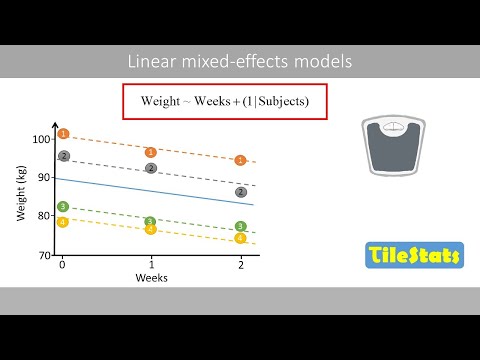
Mixed models are like the Swiss Army knives of statistics. They let you look at both fixed effects—like treatment groups or time points—and random effects—like individual differences or variations within a group. This is super handy in real-world studies because not everything is neatly controlled.
Think about a study on how different fertilizers affect plant growth. You might know that fertilizer type has a direct effect (that’s your fixed effect). But maybe the growth also varies depending on soil quality or watering schedule (those are your random effects). Here’s where mixed models shine! They can handle multiple layers of complexity all at once.
Why Use ANOVA Mixed Models?
Mixing it up has some serious perks:
- Flexibility: You can include multiple variables without losing control over your analysis.
- Realism: Reflects real-life situations better than simpler models by accounting for variability.
- Greater accuracy: More precise estimates lead to improved predictions and insights.
Consider a psychological study looking at therapy outcomes across various sessions and patient personalities. Using mixed models allows researchers to capture differences between types of therapies while acknowledging that each patient might respond differently based on their unique traits.
An Example in Action
Imagine you’re investigating how weather affects mood across several cities over a year. If you just used a simple ANOVA, you’d miss out on the fact that people in sunny California might react very differently than folks in rainy Seattle! By utilizing an ANOVA mixed model, you can compare both location (fixed effect) and individual city dynamics (random effect) to get more accurate results.
The Future of Research with Mixed Models
As data becomes more complex—think big datasets with lots of variables—mixed models will probably play an even larger role in scientific research. They help uncover insights that simpler analyses might overlook.
In short, ANOVA mixed models are powerful tools that give researchers depth and clarity when analyzing their data. They help us see patterns that reflect reality more closely, which is pretty cool when you’re trying to understand how the world works!
And there you have it—a brief look at why mixing it up with ANOVA mixed models might just be what the scientist ordered!
Exploring Innovative Applications of ANOVA Mixed Models in Scientific Research: Advances and Insights from 2022
The concept of ANOVA mixed models is pretty cool, to be honest. You know? It’s like having a superpower in the world of statistics. If you dive into the nitty-gritty of scientific research, you’ll see how these models have taken off lately, especially in 2022. So what’s the deal with them? Let’s break it down.
First off, ANOVA stands for Analysis of Variance. It helps researchers figure out if there are any statistically significant differences between the means of three or more groups. But mixing things up—like using both fixed and random effects—makes it even more powerful. That’s where mixed models come in!
Here are some of the nifty ways researchers have been applying these models recently:
- Ecological Studies: Scientists have been using mixed models to explore how different environmental factors affect species populations over time. For instance, a team studying bird populations found that weather patterns combined with geographic locations play a significant role in their breeding success.
- Clinical Trials: In healthcare, mixed models allow researchers to analyze data from patients across multiple locations or clinics without losing track of individual variations. This is super helpful when you’re studying something complex like treatment effectiveness across various demographics.
- Psychology Research: Psychologists often look at behavior changes over time within individuals and groups. Mixed models help by incorporating both fixed effects (e.g., treatment type) and random effects (e.g., individual differences). That way, they get a clearer picture of how interventions work.
- Agricultural Experiments: Farmers and scientists are also jumping on this train! They can use mixed models to evaluate different crop yields under varying conditions—like soil types or fertilizer use—and see what really makes a difference.
But hold on! What does all this mean practically? Well, take ecology as an example again: let’s say researchers found out that certain birds thrive only under specific weather conditions during breeding seasons. Using mixed models lets them control for various factors and get insights that might otherwise be missed with simpler methods.
So here’s something else to consider: using ANOVA mixed models isn’t just about crunching numbers; it opens up new avenues for collaboration among scientists! When they share data across fields—like merging ecological insights with clinical research—they can tackle big questions together.
Now, onto some advancements from 2022! There was a noticeable uptick in software development aimed at making these analyses more user-friendly. Programs now come with built-in tutorials and guides that help even those less savvy with stats get on board.
And talking about sharing knowledge, there has been an increase in workshops focusing on practical applications of these models across disciplines—this fosters creativity and innovation.
To wrap this up without getting too academic about it: ANOVA mixed models are shaking things up big time in research! They give scientists robust tools to analyze complex data while allowing them to collaborate more effectively across fields. So whether you’re an ecologist checking bird populations or a doctor tracking patient outcomes—these innovations make your job way easier and your findings much richer!
Exploring Innovative Applications of ANOVA Mixed Models in Scientific Research: Advances and Insights from 2021
Alright, so let’s chat about ANOVA mixed models. Yeah, I know it sounds fancy, but hang with me here. ANOVA stands for Analysis of Variance. When you mix it with different models, you’re diving into a rich arena of statistical magic that’s super helpful in research.
So basically, ANOVA mixed models help researchers analyze data that involves multiple sources of variability. Think about it like cooking a stew—there are all these ingredients (like different treatments or groups) and you’d want to understand how they blend and affect the final taste (your outcome variable).
- Flexibility in Design: One of the coolest things about mixed models is their ability to handle complex data structures. For example, if you were studying how different diets affect weight loss across various age groups, this model lets you incorporate both fixed effects (like specific diets) and random effects (like individual differences between people).
- Real-World Applications: In 2021, researchers used these models to tackle issues in ecology and environmental studies. I remember reading about an experiment where scientists were tracking bird populations across varying habitats. They needed a model that accounted for differences in locations but still allowed them to compare behaviors effectively.
- Improved Insights: The insights you can obtain from these models are pretty impressive. For instance, consider a study where one team examined the effectiveness of a new drug over several hospitals. Each hospital had its unique patient demographics which would skew results if ignored. A mixed model captures these quirks while still letting researchers understand overall drug effectiveness.
- Handling Missing Data: Let’s be real—missing data can be a total pain! Mixed models shine here too. They have built-in mechanisms to deal with missing values without throwing out entire datasets. This means more reliable conclusions—even from imperfect data!
You might think this stuff has no real-world impact—wrong! Think about public health or education systems using mixed models to evaluate program effectiveness on student performance or community health outcomes.
The truth is, as we keep advancing in research methodology and data collection techniques, the application of ANOVA mixed models will only expand further. Who knows what other exciting discoveries lie ahead? It’s like opening your kitchen and experimenting with new ingredients—you never know when you’ll stumble upon something delicious!
In the end, exploring innovative applications of ANOVA mixed models not only enhances our understanding but also pushes scientific boundaries forward… one statistical analysis at a time!
Alright, so let’s chat about ANOVA mixed models, shall we? I know, it sounds super technical and all, but hang tight—there’s a lot of cool stuff happening in research with this method that’s totally worth your attention.
Imagine you’re part of a team studying how different teaching methods impact student performance across various schools. Each school has its own vibe, right? Some are big, some are tiny; some might be in fancy neighborhoods while others aren’t. Using regular ANOVA to analyze your data could give you a pretty limited view because it doesn’t account for those differences within the schools. That’s where mixed models come into play—they’re like the Swiss Army knife of data analysis!
Mixed models allow researchers to analyze the fixed effects (like the teaching methods) while also considering random effects (like each school’s unique quirks). It’s as if you’re layering all this information to get a clearer picture instead of just using broad strokes. Pretty neat, huh?
A little personal story here: I once sat through a presentation where researchers shared findings from an education study that used these mixed models. They showed how varying approaches could either boost or tank students’ scores depending on the setting. Honestly, it blew my mind! It wasn’t just numbers; there were real lives behind them. The way they explained it made everything feel more interconnected.
These models are also popping up in other fields—think healthcare and ecology! Just recently, I read about ecologists studying animal behavior while considering environmental factors and individual animal differences simultaneously, thanks to these nifty models.
So what’s my point? Well, ANOVA mixed models are kind of like having superpowers when it comes to tackling complex research questions. They help paint nuanced pictures rather than one-size-fits-all conclusions—which is something we really need if we’re gonna tackle real-world issues effectively!
As always though, newer tools come with their own challenges—but that’s what keeps things interesting! You’ve got to consider your experimental design carefully and select appropriate variables to include in your model. At the end of the day, it’s all about telling better stories with our data and understanding how various factors interact in our ever-changing world.
Anyway, next time you hear someone mention ANOVA mixed models at a party or whatever… maybe drop that tidbit about their cool applications! You’ll sound so smart—and who knows? You might start a fascinating conversation!