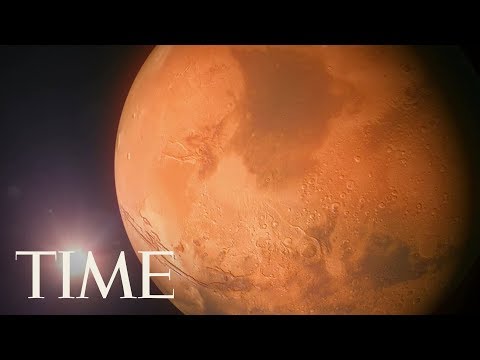
Okay, so, imagine this: you’re lounging on your couch, scrolling through your phone, and suddenly—bam! An image of a supernova explosion pops up. Your jaw drops. It’s like fireworks in space!
That’s the power of NASA’s Astronomy Picture of the Day (APOD). Each day, they serve up jaw-dropping images that make you feel like a kid again, staring up at the stars. Seriously, how cool is it to think that somewhere out there, a glowing nebula is chilling while we’re just here trying to remember where we parked?
These snapshots aren’t just pretty; they spark some serious curiosity about our universe. You know? Like, what is that wiggly thing? Why are stars born and die?
It’s wild how a single picture can pull us in deeper into the cosmic rabbit hole. Let’s chat about these stunning visuals and see what scientific wonders they ignite in you!
Discover the NASA Picture of the Day from Your Birthdate: A Journey Through Science and Space Exploration
So, here’s the deal. NASA has this super cool thing called the Astronomy Picture of the Day (APOD). Basically, every day they showcase a stunning image from space along with a little write-up explaining what it is. It’s like a daily dose of cosmic inspiration!
Now, if you want to find the APOD from your birthdate, it’s pretty easy. Just hop onto their website and use their archive tool. It’s like stepping back in time, but instead of old photos of your family, you get breathtaking views of galaxies, nebulae, or even our own planet Earth in all its glory.
Imagine seeing an awesome shot of a black hole or a distant star cluster on the exact day you were born! How cool is that? Think about it—your birthday could have been marked by some astronomical event that we’re still learning about today.
When looking up your APOD image, you’ll notice that each picture has a short description. It explains what you’re looking at and often dives into some neat science behind it. You might stumble upon images that make you wonder about the universe and our place in it.
Here are some reasons why this little exercise can spark your scientific curiosity:
- Amazing visuals: Space is just beautiful! From colorful nebulas to sharp images of planets—these pictures can really blow your mind.
- Science stories: Each image comes with a story or background info that adds depth to what you’re seeing.
- Connection to space: Learning about how these phenomena came to be can make you feel more connected to the universe.
I remember flipping through some APOD images one night. I saw this vibrant picture of the Andromeda Galaxy—the colors were out of this world! It reminded me how vast our universe is and how much more there is to explore. Just sitting there, feeling tiny yet part of something so massive—it was one of those moments that really makes you think.
So next time you’re curious about space or just need a little inspiration in life, check out your birthday’s NASA Picture of the Day. Who knows? A simple picture could ignite your curiosity and lead to your next great adventure in learning!
Exploring the Universe: How Stunning NASA APOD Images Spark Scientific Curiosity and Insight
You know, NASA’s Astronomy Picture of the Day (APOD) is like a daily dose of cosmic eye candy. Each day, they unveil a new image or video that captures something incredible about our universe. It could be anything from a dazzling nebula to a distant galaxy. And honestly? These images do more than just look pretty— they can ignite curiosity and inspire you to learn about science!
First off, let’s talk about how visuals stimulate curiosity. Images are powerful; they’re like magic portals into worlds we can’t easily access. When you see an image that shows swirling clouds of gas around a black hole, it’s hard not to wonder how it all works. You might start asking questions like, “What happens to matter when it gets too close?” or “Can we ever travel there?” This kind of engagement is key! It helps spark an interest in topics like astrophysics and cosmology.
Scientific insight through visual storytelling is another aspect that’s pretty cool. A picture can illustrate complex concepts in ways textbooks don’t always manage. For instance, an image of the Orion Nebula can help explain star formation better than words alone might do. You get to see where new stars are born among the colorful gases and dust— it turns theories into something tangible, you know?
And don’t forget the emotional impact! There’s something awe-inspiring about gazing at the vastness of space and realizing how small we are in comparison. I remember staring at one particular APOD photo featuring the Pillars of Creation in the Eagle Nebula. Just looking at it made me feel this mix of excitement and humility. You’re reminded that there’s so much out there yet to discover!
Encouraging further exploration is also crucial here. After seeing one amazing image, many people feel compelled to dive deeper into related subjects—like dark matter or exoplanets. APOD serves as a springboard for learning more about astronomy, physics, or even just our own Earth’s place in the cosmos.
Finally, let’s not overlook the community aspect! The APOD images often lead to discussions on forums or social media platforms where science lovers gather. Conversations unfold around theories, discoveries, and personal interpretations of those stunning visuals. You might discover different perspectives on what you see—and that enriches your understanding even further.
So basically, these stunning images from NASA aren’t just beautiful art pieces hanging in some cosmic gallery; they’re gateways to deeper scientific understanding and insight. They spark curiosity not only by inspiring awe but also by inviting us to ask questions and pursue knowledge in our quest for understanding this vast universe we call home!
Explore NASA’s Daily Image: A Journey Through Science and Space by Date
Okay, so let’s talk about something seriously cool—NASA’s Daily Image! It’s part of the Astronomy Picture of the Day (APOD), which is like a cosmic postcard that arrives in your inbox every day. Each image tells a story and opens up a window into the mysteries of space, right?
Every day, NASA shares a different image, often accompanied by a concise explanation. This can be anything from breathtaking photos of galaxies far away to images showing our own Earth from space. It really captures how vast and stunning our universe is.
- Engagement with Science: By looking at these images, you’re not just ogling pretty pictures—you’re immersing yourself in science! They’re curated to spark your imagination and inspire curiosity about astronomy and astrophysics.
- Diverse Topics: The topics are super diverse too! For instance, one day you might see the dazzling colors of the nebulae, while another might feature close-ups of distant planets’ surfaces. This variety keeps things fresh and exciting.
- Learning Opportunities: Each image comes with an explanation that’s usually written by experts. So not only do you get to enjoy something visually stunning, but you also learn something new each time. It’s like getting a mini-lesson on space!
I remember when I saw an APOD image of Jupiter with its swirling clouds. The photograph was taken by one of NASA’s spacecraft, and reading about how those storms are bigger than Earth itself blew my mind! Just think about it; those storms have been raging for centuries!
The beauty is in the details. For example, when they showcase deep-sky objects like galaxies or star clusters, it’s incredible how they reveal structures that we can’t see with our naked eyes. These images often use techniques like long exposures or special filters to bring out details that would otherwise be hidden in darkness.
- Visualizations: Some days feature stunning visualizations created from data collected by telescopes. These aren’t just pretty pictures; they tell scientists where to look next in their research!
- Cultural Significance: Sometimes, these daily images even touch on cultural or historical aspects—like when they highlight traditional interpretations of celestial events by ancient civilizations.
The thing is, each picture has its own unique story—sometimes personal too! You may find stories from astronauts about what it was like to capture those views from space or accounts from scientists explaining why certain phenomena are particularly significant.
If you’re curious about our universe—or even if you’re just looking for something interesting to scroll through—NASA’s Daily Image can spark joy and inspiration! It reminds us that there’s so much more out there waiting for us to explore.
So go ahead: check out NASA’s APOD each day! You never know what magical corner of space you’ll stumble upon next!
You know, there’s something magical about those stunning NASA Astronomy Picture of the Day (APOD) images. Seriously, every time one pops up on my feed, it feels like a little window into the universe. I mean, just think about it: each image is a snapshot of our vast cosmos, showing us things we can’t even fathom just standing on Earth.
Not long ago, I saw this breathtaking image of a nebula—like this colorful cloud of gas and dust swirling in space. It was vibrant with blues and pinks, almost like a cosmic painting. I couldn’t help but remember how, as a kid, I used to look up at the stars and wonder if there were other worlds out there. That feeling came rushing back; you know? It reminded me that curiosity is so important.
These images ignite something deep within us—a spark that says “hey, look at this amazing thing!” They often come with explanations too, breaking down complicated concepts into bits that even someone without a science background can grasp. Like how those swirling gases formed stars or how distant galaxies collide over millions of years.
And let’s not forget the stories behind them! Each picture has its own tale: some taken by powerful telescopes located far away from light pollution; others are captured during daring missions that astronauts undertake to learn more about our place in the universe. When you see an image like that, it’s like getting an exclusive peek behind the curtain of reality.
The thing is, these pictures not only showcase beauty but also raise questions. They make you curious about life beyond Earth or even about how things work right here at home. When you see an image of Mars’ surface or Saturn’s rings—don’t you find yourself wanting to know more? What’s happening there? Can we explore these places?
Basically, APOD images spark conversations—not just among scientists but among friends and families too! You might catch someone saying “Did you see today’s APOD?” over coffee or even during dinner. It’s incredible how something as simple as a picture can connect people and encourage discussions about science and discovery.
So yeah, every time I scroll past one of those stunning APOD pictures, it feels like an invitation to think bigger—to embrace curiosity and wonder. And who knows? Maybe one day you’ll spot something so inspiring that it lights your path toward exploring those very mysteries yourself!