You know what’s funny? When I was a kid, I thought snails were just those slimy little creatures that made my sidewalk all slippery after it rained. Like, who cares, right? But then I learned they have these crazy cool structures!
Aquatic snails are basically the ninjas of the water world. They’ve got shells that come in all shapes and sizes and some have gills while others breathe through their skin. It’s like they’re nature’s little divers!
I mean, have you ever really looked at one? They’re not just blobs of goo; they’ve got this entire life going on under the surface. So, let’s take a closer peek at these fascinating creatures and see what makes them tick—or should I say glide?
Exploring the Anatomy and Functionality of Snail Body Parts: A Scientific Insight
So, let’s take a closer look at the fascinating world of snails, especially the aquatic ones. These little guys might seem simple at first glance, but their bodies are like tiny marvels of nature. You see, snails have some pretty unique structures that help them survive and thrive in their watery homes.
Shell
First off, the most obvious feature is their shell. It’s not just for show! This spiral-shaped armor protects their soft bodies from predators and environmental stressors. Plus, it helps prevent them from drying out when they’re on land. Pretty cool, right?
Foot
Then there’s the foot. This muscular part is essential for movement. Snails glide along surfaces using a wave-like motion. Think about it as them sliding on a slimy path of mucus—gross but effective! The mucus reduces friction, making it easier for them to move through water or across rough surfaces.
Radula
Now let’s talk about feeding. Aquatic snails have something called a radula—a specialized feeding organ that looks like a tongue with tiny teeth. It’s used to scrape food off surfaces, like algae or decaying plant matter. So, when you see those grazing snails munching away on rocks or plants, they’re using this nifty tool to get their grub.
Gills
When it comes to breathing underwater, aquatic snails have gills instead of lungs like us. Gills allow them to extract oxygen from water efficiently. They actually take in water through their bodies and then push it out after extracting what they need—like having a built-in fish tank filter!
Eyes
Don’t forget about their eyes! Most aquatic snails have retractable eyes located on stalks at the end of their tentacles—kind of like little antennae that help them sense light and movement around them. Some species can even detect changes in water chemistry!
Bodily functions
And here’s where things get interesting—their bodily functions are quite different from ours too! Snails are hermaphroditic; basically meaning they possess both male and female reproductive organs. This gives them flexibility in finding mates since they can pair up with any other snail they meet.
In terms of waste disposal, aquatics have a special structure known as the siphon, which helps remove waste while also bringing in fresh water for respiratory purposes.
So when you look closely at aquatic snails—you realize just how intricate and well-adapted they are to their environments! Every part has its own important function while working together beautifully in this little underwater world we often overlook.
Next time you spot one sliding around by your favorite pond or stream, take a moment to appreciate all those fascinating features! Just remember: life under the surface can be full of surprises!
Exploring Aquatic Snail Anatomy: Insights into Molluscan Structure and Function in Aquatic Ecosystems
Alright, let’s chat about aquatic snails! Seriously, these creatures are super fascinating little guys that play a big role in their ecosystems. So, when you think of snails, you might picture the garden variety crawling slowly with a slimy trail. But aquatic snails? They’ve got their own unique flair and anatomy that’s worth exploring.
First off, **aquatic snails** belong to the class **Gastropoda**, which means “stomach foot.” Cool name, right? This refers to how they move. The main body part used for movement is called the **foot**. It’s this muscular structure that helps them glide over surfaces in water or ooze along the bottom of lakes and rivers. Imagine a tiny little suction cup continuously pulling itself along—pretty nifty!
Now, let’s talk about their **shells**. Most aquatic snails sport a spiral-shaped shell made from calcium carbonate. This shell isn’t just for decoration; it protects them from predators and harsh environmental conditions. Plus, the spiral shape is not just pretty to look at—it helps them maintain buoyancy in water! Some species can even retract completely into their shells when they need shelter.
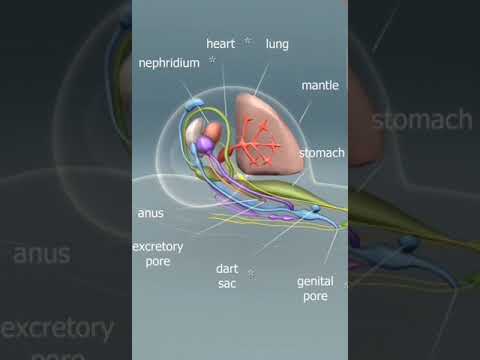
Then there’s the **mantle**, which is a significant part of their anatomy. The mantle secretes that shiny shell we love to admire. It also plays crucial roles in respiration and excretion—kind of like a multitasker! Through this mantle cavity, aquatic snails can breathe by taking in oxygen from water using gills or even directly through their skin.
And did I mention their rad little **radula**? This is like a tiny tongue covered in rows of teeth that help them scrape food off surfaces—think algae on rocks or decaying plant matter. It’s an essential tool for eating and recycling nutrients back into the ecosystem.
One emotional tidbit: I remember once during a field trip to a local pond, I found one of these snails clinging to an old reed while munching away on algae. It struck me how something so small could be so integral to its environment, almost like it was living its best life while playing an important role in nature’s grand scheme!
Now, let’s get into some other important features:
- Respiration: As mentioned earlier, many aquatic snails have gills for breathing underwater.
- Circulatory system: They have an open circulatory system meaning blood flows freely through cavities rather than being confined just to veins.
- Reproduction: Many species are hermaphroditic; they have both male and female reproductive organs which makes mating quite interesting.
These aspects highlight just how well-adapted aquatic snails are for life in various water bodies—from ponds to rivers and even brackish environments where fresh water meets saltwater. Their structure not only allows them to thrive but also supports many other organisms around them.
To wrap this up: aquatic snails might seem simple at first glance, but dive into their anatomy and you’ll find they’re intricate little ecosystems all on their own! When you next spot one gliding by or clinging onto some rocks, take a moment to appreciate all the hard work going on under that beautiful shell!
Exploring Snail Heart Anatomy: Insights into Molluscan Cardiovascular Structure and Function
Did you know that snails, those little creatures inching along the ground or gliding through water, have a pretty interesting heart? Well, they do! Let’s talk about the anatomy of a snail’s heart and how it works.
Firstly, snails are part of a larger group called mollusks, which also includes clams and octopuses. Their hearts are quite different from mammals’. For one, the snail’s heart is usually located in a spot called the pericardial cavity. That’s just a fancy way of saying it’s tucked away in a protective space within their bodies.
The heart itself is made up of just one or two chambers—way less than our four-chambered hearts! If you’re picturing it, imagine something like a small bag or pouch, kind of squishy. Generally speaking, aquatic snails tend to have more complex hearts compared to their land-dwelling relatives. Why? Because they need to pump blood through gills as well as their bodies.
Now, here’s where it gets cooler: **the blood** of snails isn’t exactly red like ours. Instead, it’s often blue or green because they have different proteins that carry oxygen. Like hemocyanin instead of hemoglobin. And this means that when you see them gliding around in water, they’re doing more than just moving; they’re also making sure all their body parts get the oxygen they need to survive.
Let’s break this down even further:
- Heart Structure: Snail hearts are typically composed of one ventricle and can either have one or two auricles.
- Pumping Mechanism: The heart pumps blood into an open circulatory system—which means that unlike us, their blood bathes the organs directly!
- Respiration Connection: In aquatic species, the heart is linked with gills for efficient gas exchange.
- Diversity: Different species show variations in size and structure based on their habitat.
To give you an idea of how important this is: think back to when you were swimming in a pool on a hot day. You’ve gotta breathe deeply and stay cool! Snails do this too—except they manage their oxygen in unique ways depending on whether they’re chilling underwater or crawling around on land.
And there’s something deep about their circulatory systems too! Snails rely less on pressure compared to higher animals. It may sound simple but it works for them! Their slow lifestyle allows for less energy used overall.
So when you’re out there spotting these little guys on your next nature walk or by your local pond, remember they’re not just slugs; they’ve got fascinating inner workings happening beneath that slimy exterior! Their hearts tell a story about how life adapts to its environment—even at such small sizes. Isn’t that something?
Aquatic snails might not be the first thing that pops into your head when you’re thinking about fascinating creatures, but honestly, they’ve got some really cool stuff going on. I mean, they’re just floating around in water, doing their thing, but if you take a closer look, there’s so much more to them than meets the eye.
First off, let’s talk about their shells. These guys are like nature’s original armor! Some snails have these beautifully spiraled shells that make them look like miniature towers. It’s not just for show either; it helps protect them from predators and harsh environments. I remember when I was a kid, finding a little snail shell by the pond brought me such joy. It felt like holding a tiny treasure! Each shell tells a story of growth and survival.
And then there’s the way they move. You might be surprised to learn that aquatic snails glide along using a foot. Yup! That large muscle on the bottom of their bodies isn’t just for decoration; it produces mucus that helps them slide effortlessly through the water. Imagine surfing without a board—just you and some squishy slime! It seems kinda gross at first, but it totally gets the job done.
Another thing that really blows my mind is their breathing system. Aquatic snails have gills, which are their version of lungs for underwater living. They take in oxygen from the water just like we do from air. If you ever catch one surfacing to gulp at the surface, it’s as if they’re saying hello to life above water—kind of poetic when you think about it.
And while we’re on this topic, some species even have special adaptations depending on their environment. For example, those who live in murky waters can process food from particles suspended in the water better than others—that’s smart evolution right there!
You know what else is interesting? Their reproductive systems are quite unique too! Some species can even change sexes if circumstances require it—pretty wild adaptation if you ask me! Just picture all those snails navigating love in their own slow and slimy way.
So yeah, aquatic snails are pretty chill little creatures with remarkable adaptations that allow them to thrive in diverse waterscapes. They remind us how resilient life can be—even in small packages—and there’s something kinda heartwarming about that idea. Every time you spot one crawling on your next pond visit or beach day, take a second to appreciate its little world—it could be hiding more wonders than you think!