So, picture this. You’re at a party, right? Everyone’s chatting, and then someone brings up DNA sequencing. Suddenly, you’re knee-deep in a convo about tiny things you can’t even see! I mean, how wild is that?
Well, let me tell you about nanopore sequencing. It sounds super sci-fi but trust me, it’s cooler than it sounds. It’s like reading the book of life one tiny letter at a time—literally!
This tech has been shaking things up in research lately. Scientists are out there making breakthroughs that could change everything we know about genetics and more. So grab your popcorn, because this is going to be one fascinating ride!
Exploring the Latest Advancements in Nanopore Sequencing Technology: Implications for Scientific Research
Alright, let’s chat about nanopore sequencing technology. It’s one of those cutting-edge things in the world of science that’s stirring up a lot of excitement. Imagine being able to read the genetic code of living things—like a jigsaw puzzle, but way cooler—using a technology that fits on your desk. Pretty neat, huh?
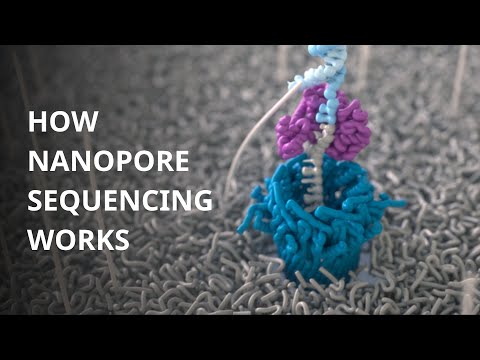
So, what’s the deal with nanopore sequencing? Well, basically, it’s a method that allows scientists to determine the sequences of DNA or RNA by passing them through tiny holes called nanopores. These nanopores are literally just a few nanometers wide! When a strand of nucleic acid moves through one of these pores, it causes changes in an electrical current. And since different bases (the building blocks of DNA) affect that current differently, researchers can figure out what sequence they’re looking at. Pretty clever!
Fast and Flexible: One of the standout features is speed—like really fast! Traditional methods could take days or even weeks to give results. But with nanopore sequencing, you could get useful data in just hours. That’s massive for research projects needing quick answers.
Another cool thing is its ability to read long sequences. While other techniques might chop DNA into smaller pieces, nanopore technology can read long stretches without breaking them apart first. This is big for scientists trying to understand complex genomes because longer reads can give better context and help identify structural variations more accurately.
Now let’s talk about some serious implications for scientific research:
- Genomic Research: With this tech, researchers can explore genomes from various organisms and get insights into their evolutionary history.
- Personalized Medicine: By analyzing individual genomes quickly and accurately, doctors could tailor treatments specifically to a person’s genetic makeup.
- Infectious Disease Detection: During outbreaks or pandemics (think COVID-19), quick sequencing helps track mutations in real-time!
- Agricultural Advancements: Farmers could use genetic information from crops to develop plants that are more resistant to diseases or environmental stress.
You see how it opens up possibilities? I remember reading about how researchers managed to sequence an entire bacterial genome in just one day using this tech during the early stages of the pandemic! It was like watching science fiction become reality.
But hey, it isn’t all sunshine and rainbows; there are challenges too. The accuracy isn’t quite as high as some traditional methods yet. Sometimes you get errors in sequencing which could lead scientists down the wrong path if they’re not careful.
In summation (not trying to sound formal here!), nanopore sequencing technology is doing exciting stuff right now in science—it’s fast, versatile, and has so much potential for driving future research forward. And when you think about how understanding our genetic code can change everything from healthcare to agriculture? That blows my mind! So yeah, keep an eye on this space; there’s bound to be even more incredible advancements coming our way!
Breakthroughs in Nanopore Sequencing Technology: Transformative Advances for Scientific Research in 2022
So, nanopore sequencing technology has been making some serious waves in the scientific community lately. You know, just when you think things can’t get any cooler in genetics and biology, bam! Here comes this game-changing tech. Basically, it allows scientists to read DNA or RNA sequences with incredible precision and speed.
Now, here’s how it works: nanopores are tiny holes, like microscopic gateways. When a single strand of DNA passes through one of these holes, it causes a change in electrical current. This change can be measured and used to determine the sequence of the DNA bases—adenine, thymine, cytosine, and guanine. It’s like reading a book one letter at a time as you slide a ribbon through tiny slots.
In 2022, researchers really pushed the boundaries. One of the standout breakthroughs was the improvement in accuracy and efficiency. New algorithms were developed that significantly reduced errors in sequencing data. This means scientists can trust their results more than ever before; you know how crucial that is when you’re dealing with things like genetic disorders or cancer research.
Additionally, there was progress on reducing costs. Traditionally, sequencing could be pretty pricey and time-consuming—not exactly ideal for every lab out there. In 2022, some developments made it possible to sequence more samples simultaneously without breaking the bank. This opens up possibilities for larger studies that were previously out of reach.
Another important aspect is real-time sequencing capability. Imagine having the ability to analyze genetic material as you collect samples! That’s already happening with some new devices hitting the market last year. It’s great for fieldwork where conditions can change rapidly or where fast results are essential—like during an outbreak of infectious diseases.
Also worth mentioning is how nanopore technology is being used beyond just human health research. Think about environmental science or agriculture! Scientists have started applying these techniques to study microbial communities in soil or track genetic variations in crops. It’s pretty neat because it helps understand ecosystems better.
And let’s not overlook the open-source nature of much of this technology; scientists are sharing not just their findings but also their software tools freely online! This collaborative spirit accelerates innovation across various fields by allowing others to build on each other’s work rather than reinventing the wheel each time.
So yeah, 2022 was quite a year for nanopore sequencing tech! With its growing accuracy, affordability, real-time processing power, and widespread application potential—I can only imagine what’s next on the horizon as researchers continue pushing forward this remarkable technology!
Advancements in Nanopore Technology: Transforming Gene Sequencing in Modern Genomics
Nanopore technology has been making some serious waves in the world of genomics lately. You might be asking, “What’s the big deal?” Well, let’s break it down!
Imagine you’re trying to read a really long book. Instead of using a regular bookmark, you’ve got this amazing gadget that lets you flip through pages super fast. That’s kind of what nanopore sequencing does with DNA. It allows scientists to read genetic information in real-time and at lightning speed.
So, what exactly is nanopore sequencing? It’s a technique where tiny holes (or pores) are used to analyze strands of DNA or RNA as they pass through. This method is different from traditional sequencing methods like Sanger sequencing, which can be slow and cumbersome. Because nanopores can read long strands without chopping them up, researchers get a complete picture right off the bat.
Here’s where things get even cooler: nanopore technology is portable. You can literally take these sequencers into the field, which opens up all sorts of possibilities for research. Imagine collecting samples from a remote rainforest and analyzing them right there! It’s not just for fancy labs anymore; it could be on-site wildlife studies or even clinical settings.
Let’s talk about accuracy for a minute. While earlier versions of nanopore technology had some hiccups with precision, advances have made them more reliable than ever. Researchers are constantly tweaking the algorithms and refining how they interpret the data coming from those little pores.
And then there are the costs! Traditional sequencing can rack up quite a bill due to its complex protocols and equipment needs. Nanopore technology? Much more budget-friendly. This means smaller labs or even startups can jump in on genomic research without breaking the bank.
But wait—there’s more! One really exciting aspect is how real-time analysis works with nanopores. You see, as the DNA passes through the nanopore, changes in electrical signals occur that correspond to different nucleotides (the building blocks of DNA). This means researchers can start drawing conclusions almost instantly rather than waiting days for results.
Furthermore, think about applications in health care – diagnosing diseases based on genetic information could be much quicker and more accessible thanks to this tech! Early detection means better treatment options or maybe even preventative measures.
Another breakthrough? The ability to sequence RNA directly! This opens up so many doors for understanding gene expression and regulation—basically how genes turn on or off—and its implications for diseases like cancer.
So yeah, nanopore technology isn’t just changing gene sequencing; it’s transforming our approach to genomics overall. It brings speed, affordability, portability, and innovative capabilities that push scientific boundaries further than ever before.
In essence: we’re only scratching the surface of what this technology can do! It’s truly an exciting time for genomics as we step into this new era powered by tiny holes changing our understanding of life at its most fundamental level.
Okay, so let me tell you about this pretty cool thing called nanopore sequencing. It’s a big deal in the world of science these days. Basically, it’s a technology that helps researchers read DNA or RNA just like we would read a book. But instead of turning pages, they’re pushing strands of genetic material through tiny little holes—nanopores—like super small tunnels. It’s like magic, but, you know, grounded in really smart science.
I was talking to a friend the other day who just graduated with a degree in genetics. She told me how this tech is changing the game for researchers. Just imagine being able to sequence an entire human genome in hours or even minutes! It used to take ages and cost an arm and a leg. Now? Not so much! Thanks to advancements in this field, scientists can get real-time data without all the fuss.
But it’s not just about speed and cost; there’s something poetic about being able to understand life at such an intricate level. Remember that moment when you learned your favorite song by heart? You felt connected to it, right? Well, that’s what these scientists feel when they decode genetic information. It gives them insights into diseases and can drive innovations in medicine that can save lives!
And here’s another thought: think about how much we owe to technology in pushing boundaries. Just a few years ago, nanopore sequencing was still developing and now it leads right into evolutionary biology research! Scientists are using it to study everything from ancient genomes to those from endangered species—all with the hope of understanding biodiversity better.
Sometimes I get all giddy thinking about the possibilities here! The more we learn about DNA and RNA through things like nanopore sequencing, the better equipped we are to tackle problems around health care or environmental issues. So yeah, every time I hear someone chat about advancements in tech like this, I can’t help but smile at all the new doors we’re opening for ourselves—and for our planet too!