Ever seen a robot make a sandwich? No, seriously! I once watched a video of this whacky contraption layering bread, lettuce, and turkey like it was some kind of culinary maestro. It was wild to see how AI was throwing down in the kitchen!
But, let’s talk about the real deal: manufacturing. These days, AI is shaking things up like a can of soda at a picnic—it’s fizzing and overflowing with possibilities.
You’ve got machines that learn from their mistakes. Picture this: factories where robots chat with one another and figure out the best way to assemble your favorite gadgets! It’s not just science fiction anymore; it’s happening right under our noses.
The thing is, every tweak and upgrade is changing how we think about making stuff. So pull up a chair and let’s chew the fat on how AI is turning traditional manufacturing practices on their heads. You might just find it’s more fascinating than a robot sandwich artist!
Exploring AI Innovations in Manufacturing: Real-World Examples Transforming the Science of Production
So, let’s get into this whole AI thing in manufacturing. You might have heard some buzz about it lately, right? Well, it’s pretty cool how tech is shaking things up on the factory floor!
First off, artificial intelligence (AI) is all about using computers to do tasks that usually need human smarts—like learning from data and making decisions. In manufacturing, this translates to smarter machines that can optimize processes and products. Sounds neat, huh?
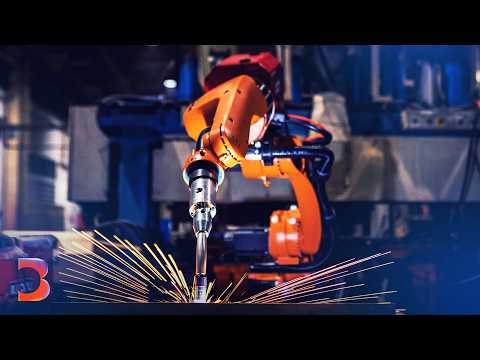
Now, think about factories where robots assemble parts. AI innovations help these robots learn from each task they complete—basically letting them tweak their movements for better speed and accuracy. Imagine a robot that builds cars; it gets better every time it puts one together! That’s efficiency on a whole new level.
Another big thing is predictive maintenance. It’s like having a crystal ball for machinery! Machines equipped with AI can analyze data and predict when they might break down before it actually happens. This allows companies to perform maintenance just in time instead of waiting for something to go wrong—saving time and money.
Let’s jump into some real-world examples!
- Siemens, a giant in electronics and electrical engineering, uses AI to improve its production lines significantly. Their systems analyze images from the production line to spot defects in real-time.
- Boeing has also made strides by using AI for quality control during the assembly of airplanes. The system checks thousands of parts against specs quickly!
General Motors, which incorporates AI in its supply chain management. They use smart algorithms to predict demand and adjust their manufacturing schedules accordingly, which helps reduce waste.
You see? These innovations aren’t just pie-in-the-sky ideas—they’re happening right now and making a real difference!
And what’s even cooler? AI isn’t just about robots and machines working harder; it’s also about them working safer. For instance, some factories now use AI-powered drones for inspections instead of sending humans into potentially hazardous environments.
So picture this: You’re walking through a factory where every step you take is influenced by data analysis and machine learning algorithms guiding the workflow—kind of feels like something out of a sci-fi movie, doesn’t it? The blend of human expertise and machine efficiency creates an environment where problems are solved before they even arise.
One more thing—I can’t forget about sustainability! AI helps optimize resource use too. By analyzing patterns in energy consumption or material usage, companies can cut down on waste while increasing their output. Seriously impressive!
All said and done, we’re seeing how these innovations are revolutionizing manufacturing practices across various industries dramatically—and it’s really exciting to think about what the future holds! With more advancements continually popping up, who knows what else we’ll see? But one thing’s certain: AI isn’t just transforming production; it’s setting the stage for a smarter, more efficient world design.
Advancements in Artificial Intelligence Applications within the Manufacturing Industry: A Comprehensive PDF Guide
Sure! Let’s talk about how artificial intelligence is shaking things up in the manufacturing world. Seriously, it’s like the industry got a turbo boost. AI isn’t just some fancy tech; it’s changing how factories operate, making them smarter and more efficient.
First off, one of the biggest advancements is predictive maintenance. You know when your car makes that weird noise and you ignore it until it breaks down? Yeah, factories can’t really afford that. With AI, machines can now communicate their health and expected failures before they actually happen. It helps reduce downtime and save money.
Another neat application is quality control. Remember when you saw those robots inspecting products? Well, AI has made this even cooler! Using computer vision—which is kind of like giving eyes to machines—manufacturers can catch defects in real time. This means fewer faulty products slip through the cracks.
Then there are smart supply chains. Imagine if your delivery guy always knew exactly where to go without missing a beat—that’s what AI does for manufacturers. By analyzing data from different sources like market trends or weather patterns, AI can optimize inventory levels and logistics. So, products get made and delivered faster than ever before.
Don’t forget about robotic process automation (RPA), either! It’s all about letting robots take over repetitive tasks that humans used to do. This not only speeds up production but also allows human workers to focus on more creative or complex problems. Think of it as giving workers superpowers by removing mundane tasks from their plates.
Sustainability is another area where AI shines bright in manufacturing processes. By using algorithms to monitor energy usage and material waste, companies can reduce their carbon footprint significantly. You know how everyone keeps talking about being eco-friendly? Well, AI helps make that a reality for many factories.
Also, let’s talk customization—the thing people love nowadays! With AI, production lines can adapt quickly to consumer demands for personalized products without sacrificing quality or efficiency. Want a unique color on your new gadget? No problem!
With all these advancements happening at lightning speed, it’s clear that AI has become an integral part of modern manufacturing practices. The thing is, while many manufacturers are diving headfirst into these technologies, others are still figuring out how to incorporate them effectively into their operations.
So yeah, artificial intelligence isn’t just a buzzword; it’s reshaping the landscape of manufacturing in ways we couldn’t have imagined just a few years ago. It’s exciting stuff—and honestly? I can’t wait to see what else is coming down the pipeline!
Transforming Manufacturing: The Role of AI Insights from McKinsey in Advancing Scientific Innovation
Manufacturing has been going through some serious changes lately, thanks to advancements in **AI**. You might be asking, “What’s the big deal?” Well, AI is helping manufacturers make smarter decisions, improve efficiency, and cut down costs. Sounds cool, right? Let’s break it down.
AI-driven Data Analysis is changing the game. Instead of people sifting through mountains of numbers and reports, AI algorithms can analyze data from machines faster than you can say “data overload.” This means manufacturers can spot patterns or issues way earlier. Think about it like having a super-smart assistant who never gets tired and works around the clock.
Now, predictive maintenance is another huge perk of using AI. Imagine a factory where machines don’t just run until they break down. Instead, sensors provide real-time data about equipment health. If something seems off—like if a part starts overheating—alerts go out before any major problems arise. This saves time and money because you avoid unexpected breakdowns.
Then there’s process optimization. With AI analyzing production lines constantly, it can suggest the best ways to use resources efficiently or adjust schedules for maximum output. For example, one company that adopted these technologies saw their production time drop by about 20%. That’s not small change!
And let’s not forget about quality control. Traditionally, this required lots of human oversight—lots of eyes checking parts for defects or inconsistencies. Now with AI-enabled vision systems, cameras combined with machine learning can detect imperfections in products at lightning speed and with remarkable accuracy.
Employee Empowerment is also worth mentioning. Some folks worry that robots will take jobs away; however, what often happens is that workers get to focus on more creative tasks while AI handles the repetitive stuff. It’s less about replacement and more about working together in a smarter way.
But it isn’t all rainbows and sunshine; there are challenges too. A big one is data security. More data usage means more risk if things aren’t properly secured—a concern that keeps many managers up at night!
In summary, the role of AI in manufacturing is transformative—it brings efficiency boosts through predictive maintenance and process optimizations while also enhancing quality control practices. However, it’s vital to tackle data security head-on as we embrace these exciting innovations.
So when you hear about AI in manufacturing next time don’t just think robots building cars! Think about all those behind-the-scenes improvements helping businesses run smoother than ever before!
You know, thinking about how artificial intelligence is changing manufacturing is like watching a really fascinating movie unfold. It’s wild how machines are stepping up and taking on tasks that humans used to do. Remember that time when my uncle was fussing over his old factory equipment? I mean, it was always breaking down, and he had this constant worry about production delays. But now, companies are using AI to predict those breakdowns before they even happen. Can you imagine that?
So, let’s break it down a bit. AI systems can analyze huge amounts of data way quicker than any human can. They look for patterns in machinery performance or even nuances in supply chain logistics that we might just overlook. It’s like having a super-smart buddy who’s got your back at work 24/7. These innovations really help in boosting efficiency and cutting costs. Less downtime means more products out the door and happier customers.
And there’s also the whole thing about automation. Robots are becoming more flexible and can be programmed to do different tasks without massive retooling of an entire production line. Just think about it: fewer human errors, quicker adjustments to what the market needs, and a more responsive manufacturing process overall. Sure, there’s some fear about job loss in all this innovation—totally understandable! But there are also new job opportunities popping up as we need people who understand AI and how to work alongside these smart machines.
I remember chatting with my friend who works at a tech startup focusing on AI for factories. He was telling me how they’re developing systems that not only optimize but also learn from experience—like how we do! The thrill in his voice was contagious when he talked about the future of “smart factories.” It’s kind of poetic when you think of technology being so integrated with our everyday lives.
But hey, it’s not all rainbows and butterflies! Companies need to be super mindful about ethical considerations too—like making sure their AI systems don’t end up being biased or creating unsafe working conditions for anyone involved.
So yeah, innovations in AI aren’t just transforming manufacturing; they’re reshaping whole industries. We’re part of a pretty monumental shift here—you feel me? There’s still so much we don’t know about where this will all lead us, but one thing’s for sure: there’s never been a dull moment in the world of manufacturing thanks to these new shiny tools!