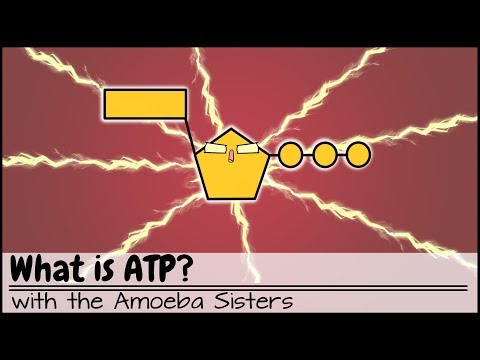
Did you know that your body has its own little energy factory? Seriously! Think of it as a super-efficient power bank, but way cooler because it’s alive. That’s ATP for you—adenosine triphosphate, if you want to get fancy.
ATP is like the currency in the world of cells. Instead of cash, your cells trade energy with it, helping everything from muscle contractions to brain power. It’s what makes our hearts beat and our lungs breathe. Imagine trying to juggle while riding a bike uphill; that’s what your body would be doing without ATP!
And guess what? Every single time you take a breath or move your finger, ATP is right there making it happen. So, buckle up! Let’s chat about this amazing molecule and why it’s so crucial for life as we know it. You’re gonna want to stick around for this!
Exploring Cellular Energetics: Is ATP the Sole Energy Currency of Cells?
So, let’s chat about cellular energetics. You know, the way our cells power themselves up to do all those amazing things? It’s a pretty wild world in there. And at the center of this energy hub, we find ATP, or adenosine triphosphate. People often call it the **energy currency of life**. But is it really the only player in town? Let’s break this down.
ATP is like that gold coin in a video game; it’s what cells use when they need to fire up a process or keep things going. When ATP breaks down into ADP (adenosine diphosphate) and an extra phosphate group—like splitting a coin in two—the energy released fuels everything from muscle contractions to nerve impulses. It’s great stuff!
But here comes the twist: ATP isn’t alone! While it’s super crucial, our cells have some backup energy sources and systems that come into play when needed. For example:
- Creatine Phosphate: Think of this as ATP’s sidekick. In muscles, when you’re sprinting or lifting heavy stuff, creatine phosphate steps in to quickly regenerate ATP from ADP, giving you that extra boost.
- GTP (Guanosine Triphosphate): This one’s similar to ATP and helps with protein synthesis and cell signaling processes too. So yes, GTP plays its part behind the scenes.
- NADH and FADH2: These are coenzymes that carry electrons through the electron transport chain during cellular respiration. They might not be currencies in the traditional sense but are crucial for energy production.
- Fatty Acids: Ever heard of “fat burning”? Well, fatty acids can be converted into energy through a process called beta-oxidation when your body needs more fuel than what glucose can provide.
So basically, while ATP is super important as our **primary energy currency**, it totally has friends aiding in all sorts of tasks! It’s like being at a concert; maybe ATP is the main act on stage, but you’ve got backup singers (like GTP) and even roadies (like creatine phosphate) making everything happen smoothly.
Now let’s think about how our bodies switch between these energy sources depending on what’s needed. If you’re lounging around watching Netflix? Your body relies mostly on fat storage for fuel because it’s low-energy demand time. But if you suddenly decide to run after an ice cream truck? Your body will quickly ramp up its use of stored glucose and those handy creatine phosphates.
Isn’t it cool how flexible cells can be? They adapt based on what they’re doing and how much energy they need at any given moment.
In summary, while **ATP is like the superstar currency**, there are other players involved in this intricate dance of cellular energetics too. The whole system works together seamlessly so our bodies can function smoothly day-to-day—from running marathons to taking a peaceful nap! So next time you’re munching on snacks or flexing those muscles, remember all those little parts working behind the scenes with ATP leading the charge!
Exploring ATP Production: Understanding the 26 vs. 28 Molecule Yield in Cellular Respiration
Alright, let’s talk about ATP production and the whole 26 vs. 28 molecule yield debate in cellular respiration. It might sound super technical, but it really boils down to some cool chemistry happening in your cells all the time.
So, ATP—adenosine triphosphate—is like the energy bill of your cells. You can think of it as tiny batteries that power everything from moving your muscles to thinking deep thoughts. The process that makes ATP is called cellular respiration, and it mainly happens in the mitochondria, often called the powerhouse of the cell.
Now, when we break this down, there are a few main players in ATP production:
- Glycolysis: This is where glucose gets broken down into pyruvate. You get a small yield here—2 ATP molecules.
- Citric Acid Cycle (Krebs Cycle): This stage takes those pyruvate chunks and processes them further, generating more energy carriers. Here you can grab about 2 more ATPs per glucose molecule.
- Oxidative Phosphorylation: Now we’re talking! This stage is all about those high-energy electrons from earlier stages running through electron transport chains to create a lot of ATP—usually around 26 or even as high as 28 depending on how you count it.
The whole question of whether we get 26 or 28 molecules really comes down to how we account for NADH and FADH2, which are like those little energy delivery trucks filled with electrons. When they hit the oxidative phosphorylation stage, NADH typically produces around 2.5 ATP, while FADH2 tags along for about 1.5 ATP.
If you go with the generous counting, assuming all NADH can generate maximum output in oxidative phosphorylation, you lean towards that magic number – yeah, that’s your 28! If you take into consideration some inefficiencies or where exactly these electron carriers drop off their loads within the mitochondria—hello leading to fewer total ATP—you might settle at 26 instead.
This isn’t just nerdy science talk; it’s crucial because understanding how our bodies produce energy helps us grasp how things like exercise and metabolism work together. Like I remember when I first started running marathons—I was constantly learning what fueled my body best during long training sessions. Turns out knowing how much energy I could squeeze out of my food was pretty darn important!
A final note: While scientists tend to debate these numbers a bit philosophically, what matters most is that our cells are constantly working hard to turn nutrients into usable energy through these pathways. Next time you’re feeling tired after a workout or studying late at night? Just imagine all that little ATP buzzing around trying to keep up!
So yeah! Whether you’re rocking out at 26 or diving deep into those sweet sweet 28s—it’s all part of this amazing process happening inside you every second of every day.
Nicotinamide Adenine Dinucleotide: Unlocking the Secrets of Cellular Metabolism and Energy Production
Nicotinamide Adenine Dinucleotide, or NAD for short, is like a backstage pass in the world of cellular metabolism. Seriously, if cells had a rock band, NAD would be the one ensuring everything runs smoothly behind the scenes.
So, what’s the deal with NAD? Well, it’s a coenzyme found in all living cells and plays a key role in energy production. You know how your phone needs charging to keep running? Cells need energy too, and they get it from a molecule called ATP—adenosine triphosphate. But here’s where NAD steps in; it helps create that ATP!
Now, every time you burn food for energy—like when you snack on that delicious cookie—your body transforms glucose (that’s sugar!) into something called pyruvate. This process produces some NADH. This is an important player because NADH carries electrons to another stage where actual energy production happens.
Let’s break down this process a bit more:
- Glycolysis: That initial step happens in your cell’s cytoplasm. Think of glycolysis as the appetizer before the main course of energy production. Here, glucose gets converted into pyruvate while producing some NADH.
- Krebs Cycle: Once pyruvate enters the mitochondria (the powerhouse of the cell), it undergoes more transformations during this cycle. More NAD+ is converted to NADH here as well.
- Electron Transport Chain: And here’s where things really heat up! The NADH produced earlier now goes on to release all those electrons down an intricate pathway that creates ATP like a money printer for your cells!
But less you think that’s all there is to it—NAD isn’t just about energy production! It’s also involved in other crucial tasks like repairing DNA and regulating cellular stress responses. It’s often mentioned alongside aging research because levels of NAD tend to drop as we get older. Imagine aging being like your phone battery slowly fading away after years of use.
You might have heard about those trendy supplements claiming to boost your NAD levels; they’re riding on this wave of interest! Though science is still figuring out how effective they are.
And seriously? There are even ideas floating around about using NAD precursors to help fight age-related decline or metabolic diseases! So there’s still much excitement about it.
Overall, understanding nicotinamide adenine dinucleotide isn’t just science fiction stuff; it’s fundamental biology at work connecting diet, energy, and aging together in fascinating ways.
In summary:
– *NAD plays a pivotal role* in converting food into usable energy.
– It helps create our cellular currency: ATP.
– It’s also involved in critical functions beyond just metabolism.
So next time you think about getting energized after that long day—or maybe just during that Netflix binge—you can thank good ol’ NAD for keeping those cells buzzing along!
You know, thinking about ATP and its role in our cells is kind of mind-blowing. I mean, here we are, living our lives, breathing, moving around, and it all comes down to this tiny molecule. Adenosine triphosphate, or ATP for short—it’s like the ultimate fuel for our bodies. When I learned about it for the first time, I remember feeling a mix of awe and wonder. Like, how can something so small have such a massive impact?
ATP is often called the “energy currency” of life. Picture this: your body’s cells are like little factories working around the clock to keep you going. They need energy to do everything from making new proteins to sending signals through your nervous system. And that’s where ATP comes in. You could say it’s the currency they use to pay for all these processes. When cells need energy, they break down ATP into adenosine diphosphate (ADP) and a phosphate group—bam! Instant energy release.
It’s super interesting how ATP is constantly being recycled in our bodies too. It’s not like we just make a big batch and use it up until nothing’s left; nah, that would be way too inefficient. Instead, we create ATP through cellular respiration—the way our cells turn nutrients into energy by breaking them down with oxygen involved—or even anaerobic processes when there’s no oxygen available.
Thinking back to that science class where I first learned this stuff makes me chuckle—a bunch of us were tossing around terms like “glycolysis” and “Krebs cycle” like they were some secret club language! But honestly? Those processes are pretty cool because they show just how interconnected everything is at the cellular level.
And here’s another thing that strikes me: every little movement you make—whether it’s flexing your fingers or sprinting after a bus—is powered by ATP! There was this time when I had to run for my life because I was late for an appointment; my legs felt like they were on fire! But my body knew exactly what to do—it tapped into that precious ATP reserve without missing a beat.
So yeah, next time you feel tired or energized after a good meal or workout, remember that all those feelings trace back to this tiny molecule doing its magic inside you. Thank goodness for ATP—you know? Without it, life as we know it wouldn’t exist at all!