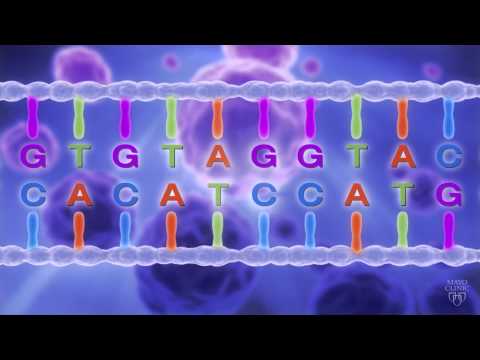
So, picture this: you’re at a family gathering, and your cousin starts talking about his DNA test results. Turns out he’s 10% more Neanderthal than the average person! Crazy, right? Family reunions just got a lot more interesting.
Anyway, gene sequencing isn’t just about finding out if you have a long-lost cousin who lived in a cave. It’s like peeking into the instruction manual of life itself. And guess what? The tech behind it has come a long way!
Just think back to when sequencing took forever—like waiting for your dial-up internet to connect. Now? Advances in automated sequencing are flipping the script. It’s faster, cheaper, and seriously cool.
This is all changing how we understand diseases, evolution, and maybe even your cousin’s mysterious hairline. Join me as we explore what’s buzzing in this wild world of genes!
Advancements in Next Generation Sequencing: Insights and Innovations in Modern Genomics
So, next generation sequencing (NGS)—what’s the big deal? Well, to put it simply, NGS is like having a super-powerful magnifying glass that helps us read the DNA code of living organisms. This technology has made some serious waves in genomics over the past decade. Let’s break down what’s been happening.
First off, speed is one of the major perks of NGS. Traditional methods could take weeks or even months to sequence just one genome. But with modern automated sequencing tech, we’re talking about days or even hours! Imagine figuring out the entire blueprint of an organism in record time—it’s mind-blowing!
Another cool aspect is cost-effectiveness. In the past, sequencing was super expensive and limited to specific research projects. Now, prices have dropped dramatically. This means more labs can afford to jump into the genomic pool and contribute their findings to science.
And there’s more! NGS offers a greater data output. You see, traditional methods might give you a few hundred thousand base pairs at best. With NGS, you can read millions—possibly billions—of base pairs in one run! This massive amount of data can be invaluable for discovering genetic variations that could lead to new treatments or understandings of diseases.
You know what else is neat? The use of bioinformatics tools alongside NGS. With all that data coming in, researchers need robust software to analyze it properly. We’re talking about advanced algorithms and machine learning helping scientists sift through mountains of data to find meaningful patterns or mutations.
But let’s not overlook how NGS plays a role in personalized medicine. It allows doctors to tailor treatments based on individual genetic profiles rather than taking a one-size-fits-all approach. For example, if someone has a specific genetic mutation linked to cancer, oncologists can choose therapies that target those mutations directly.
Also noteworthy is how this tech has advanced our understanding of complex diseases like diabetes or Alzheimer’s. Instead of just looking at single genes, researchers can study whole genomes at once! This holistic view makes it easier to see intricate interactions between various genes and environmental factors.
- Speed: Sequencing now takes days instead of months.
- Cost: Prices have plummeted since its inception.
- Data Output: Millions to billions of base pairs sequenced simultaneously.
- Bioinformatics: Powerful software helps analyze vast amounts of data.
- Personalized Medicine: Treatments tailored based on individual DNA profiles.
- Disease Understanding: Insights into complex diseases from whole genome studies.
To add a personal touch here: I remember reading about a young girl battling leukemia who benefitted from targeted therapy derived from her genomic profile analyzed via NGS. It really hit home for me—this isn’t just science; it’s life-changing stuff!
In short, advancements in next generation sequencing are revolutionizing how we understand genetics and disease. The speed, cost-effectiveness, and massive data capabilities allow researchers not just to sequence but also deeply comprehend what makes us tick at a molecular level. And as this technology continues evolving? Who knows what incredible breakthroughs await us next?
Current Trends and Advancements in Next-Generation Sequencing Technology: Shaping the Future of Genomic Science
Next-generation sequencing, or NGS, is shaking things up in the world of genomic science. It’s like giving scientists a super-powered magnifying glass to look at our DNA. Just think about it: before NGS, sequencing a genome was a slow and expensive process. But now? Things are lightning fast and way more affordable!
So, what’s driving all these advancements? Well, one big factor is automation. Automated gene sequencing technology has taken center stage. Instead of scientists doing every little step by hand, robots and machines are now handling the complicated stuff—like preparing samples and running the sequences. This not only speeds things up but also reduces human error. You know those little mistakes that can totally mess things up? Yeah, those are way less likely now!
Another aspect making waves is single-cell sequencing. Imagine trying to figure out what’s going on inside each cell of your body—not just an average picture but a detailed portrait of each individual cell! That’s what this technology does! It’s helping us understand complex diseases like cancer in ways we never thought possible by looking at how different cells behave.
Also, there’s the development of long-read sequencing. Traditional methods often struggle with repetitive sections of DNA, but long-read technologies allow scientists to read much longer stretches of the genetic code in one go. This opens doors to discovering new genes and understanding structural variations in our genomes.
And, oh boy, do we have data! With all this increased speed and capability comes a mountain of data that needs analyzing. Here steps in bioinformatics—a fancy term for using computers to manage and interpret this data. Machine learning algorithms are becoming crucial for making sense of all this information. They can spot patterns that humans might miss or take forever to find.
But here’s the catch: while technology is racing ahead, there are still hurdles to jump over. Like privacy concerns—imagine if someone could access your genetic information without consent? Yikes! Ethical discussions on who gets to see your data and how it’s used are super important right now.
So what does all this mean for the future? Well, we’re stepping into an era where personalized medicine could become routine. Picture doctors tailoring treatments just for you based on your unique genetic makeup. Talk about a game-changer!
In summary:
- NGS has revolutionized genome sequencing.
- Automation speeds up processes and reduces errors.
- Single-cell sequencing provides insights into individual cell behavior.
- Long-read sequencing helps uncover new genes.
- Bioinformatics plays a critical role in managing massive data sets.
- Ethics around genetic privacy are important discussions.
- The future holds possibilities for personalized medicine!
So yeah, next-gen sequencing isn’t just some scientific buzzword; it’s changing lives—and who knows where it’ll take us next? Exciting times ahead!
Exploring Next-Generation Sequencing: A Comprehensive Guide in PDF Format for Advancements in Genomic Research
Exploring next-generation sequencing (NGS) is like opening a treasure chest of genetic information. This technology has totally revolutionized the way we understand the genome, and it’s super exciting stuff!
So, what is NGS? Well, imagine you had a huge book filled with all the instructions that make up every living creature. NGS is like a super-fast scanner that reads that book, allowing scientists to decode genomes in just a fraction of the time it used to take. Before NGS came along, gene sequencing was like reading the entire book one word at a time. Now, it’s more like scanning all the pages at once!
To get into a bit of detail:
- Speed: Traditional methods could take years to sequence just one genome. With NGS? You can do it in days or even hours! This speed is priceless for research.
- Cost: Remember when sequencing your DNA was only for wealthy scientists? Now, thanks to NGS, costs have dropped considerably, making it accessible for many labs around the world.
- Scalability: You can sequence multiple genomes simultaneously! If you’ve got hundreds of samples to analyze, NGS can handle them all at once without breaking a sweat.
- Accuracy: It boasts less error than older methods. More precise readings mean better understanding of genetic variations and diseases.
One time I sat down with a friend who was digging into genetic disorders in his family tree. Just imagine how helpful NGS would be for him! He could figure out inherited conditions much faster and get insights that traditional methods just couldn’t provide.
Now, let’s touch on automated gene sequencing technology. This isn’t just about speed; it’s also about consistency and decreasing human error. Automated systems streamline the process—a real game changer! They use robotics and computers to perform tasks that were once manual and time-consuming.
Take this scenario: A lab processing samples for cancer research can set up an automated system in the morning. By lunch, they’ll already start getting results back without needing someone to manually oversee every little detail. That efficiency boosts productivity—like having an army of tiny lab assistants!
But wait—there are challenges too. As marvelous as this tech is:
- Data management: The amount of data generated by NGS can be overwhelming! Scientists need tools and strategies to manage this flood of information effectively.
- Interpretation: Even if you have all that data, turning it into meaningful insights isn’t straightforward. It often requires specialized knowledge or software.
As we keep advancing with automated gene sequencing technologies coupled with NGS, we’re not just reading genes; we’re starting to understand their roles in health and disease better than ever before.
You know what’s great about all this? Each discovery brings us closer to personalized medicine—tailoring treatments based on an individual’s unique genetic makeup! It’s amazing how these advancements are shaping our future.
Isn’t it cool how science keeps evolving? There’s so much more we’re likely going to uncover as these technologies keep improving—like peering into life’s instruction manual page by page but way faster and clearer than ever before!
You know, when I think about where we are with gene sequencing technology, it’s like we’re living in a sci-fi movie or something. I mean, just imagine the first time scientists cracked the code of DNA back in the day – they were like explorers charting unknown territory. And now, we’ve got these automated machines that can read genes faster than you can say “genome”!
It wasn’t too long ago when sequencing a single human genome took years and cost millions of bucks. But now? You can get it done in mere days for just a few hundred dollars. That’s kind of mind-blowing, right? This leap has opened up avenues for research that, honestly, we would’ve only dreamed about. It’s like giving superpowers to researchers.
I remember reading about one family who discovered through genetic testing that they had a hereditary condition affecting their children. They hadn’t even suspected it before! Using automated gene sequencing, doctors could pinpoint exactly what was going on and take steps to help the family manage it better. I mean, this technology isn’t just some fancy lab tech; it’s literally saving lives and giving people answers they desperately need.
But let’s not forget – with great power comes great responsibility. We’ve got to tread carefully when interpreting all this data. There are ethical issues galore: privacy concerns, potential misuse of information, and whatnot—seriously, it’s a lot to unpack.
So yeah, as exciting as these advancements are, it’s essential we keep asking questions about how we’re using them and the implications that come with it. It feels like the start of something huge in science and medicine; you can almost feel history being made! Anyway, just food for thought on how fast things are changing around us—it really gives you hope for what’s next!