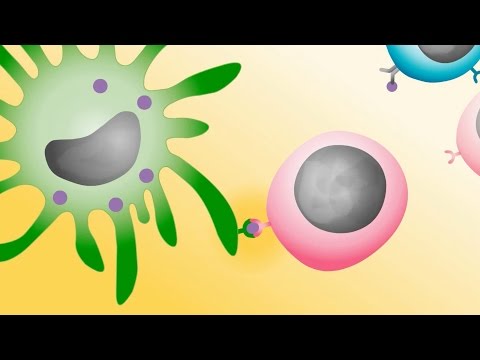
So, picture this: you just got over a nasty cold, and you’re feeling like a superhero. You know, the type that can leap tall buildings in a single bound (or at least tackle those sneezes). But guess what? Inside your body, there’s a whole squad working hard to keep you feeling awesome. Yup, I’m talking about B cells!
These little guys are like the memory champions of your immune system. They hang out in your tissues and wait for their chance to shine again when that cold bug tries to show up uninvited next time. Seriously! They remember the bad guys and prepare the ultimate defense.
It’s kinda wild how these tiny cells pack such a punch, right? Let’s take a closer look at how they do their thing!
Exploring the Role of B Cells in Immunological Memory: Key Insights from Recent Research
So, let’s talk about B cells. These nifty little guys are super important when it comes to your immune system’s memory. Imagine they’re like the library of your immune response—they keep track of all the different “books” (or pathogens) your body has encountered and how to fight them off.
What are B Cells?
B cells are a type of white blood cell that play a major role in the immune system. They originate in the bone marrow and are primarily known for producing antibodies. Antibodies are proteins that latch onto specific pathogens like viruses or bacteria, marking them for destruction by other immune cells.
The Immune Memory
Now, what’s really cool is that some B cells become memory B cells after an infection or vaccination. This means they don’t just disappear after their job is done. Instead, these memory cells hang around for years—sometimes even decades! When you’re exposed to the same pathogen again, these memory B cells spring into action way faster than your body’s first response.
Recent Research Insights
Recent studies have shed light on how these memory B cells function more effectively than we previously thought. For instance:
- B cells can adapt over time by evolving their antibodies through a process called affinity maturation.
- This means that with each encounter, they get better at binding to pathogens.
- They can also form long-lived plasma cells—these guys produce antibodies for long periods, providing ongoing defense.
Imagine running into a friend at a reunion after years apart; you’d probably remember their face even if they’ve changed! Similarly, memory B cells recognize pathogens they’ve fought before and respond quicker and stronger.
The Role of Vaccines
Vaccines take advantage of this concept. When you get vaccinated, your body tricks itself into thinking it’s being exposed to the real virus or bacterium without getting sick. So what happens? Your B cells learn to make antibodies and form those precious memory B cells!
Think back to when you were a kid: perhaps you got your shots, and then years later when everyone around you had chickenpox, you didn’t catch it because your immune system was already primed! What’s happening here is those dormant memory B cells popping up again like old friends.
Future Directions
Research continues to explore how we can harness this knowledge about B cell memory into better vaccines or treatments for diseases like cancer or autoimmune disorders. Studies are looking at identifying these specific adaptations in B cell responses after infections (or vaccinations), making it possible one day to design personalized immunotherapies that really hit home.
So there you have it! B cells may be small but boy do they pack a punch when it comes to keeping our immune memories alive and ready for action! Isn’t it kind of thrilling to think about all this happening inside us every day?
Exploring the Role of Memory Cells in Immune System Function: Key Players in Immune Memory
So, let’s talk about these little heroes in our immune system called **memory cells**. You know, the body isn’t just a fortress; it’s got these crafty defenders who remember past invaders. That memory is crucial for how our immune system fights off diseases.
First up, we have **B cells**, which are like the *guardians of memory*. When you get an infection or a vaccine, your body trains them to recognize specific bits from the germs. Once they do their job, some B cells turn into *plasma cells*, cranking out antibodies that help fight off that specific bug. But here’s the cool part: others become **memory B cells**. These guys hang around in your body for years, sometimes even decades!
Now why is that important? Well, think of a time you got sick—maybe with a nasty cold or flu. Your immune system took notes on that virus. The next time it tries to mess with you? Your memory B cells spring into action way faster than before! Instead of days or weeks of feeling crummy while your immune system figures things out again, you might be back on your feet quickly because those memory cells already know what to do.
Let’s break it down a bit:
- Recognition: Memory B cells remember specific pathogens.
- Quick Response: When re-exposed to the same bug, they multiply quickly and make antibodies.
- Vaccination: Vaccines essentially teach these memory cells which invaders to watch for.
This isn’t just theoretical stuff either. There are real-world examples like how most people never get chickenpox twice because their bodies remember the first encounter through these nifty little B cell memory banks.
But wait—there’s more! It’s not all about B cells alone. We also have **T cell memory**—another vital part of our immune playbook. Helper T cells support B cells and cytotoxic T cells drive off infected or cancerous cells directly. Just like B cell memories, T cell memories also offer quicker reactions during future infections!
In essence, these *memory players* are how our bodies learn and adapt over time to keep us healthy with minimal fuss. It’s super impressive when you think about it! Every time your immune system faces something new, it’s not just reacting blindly; it’s learning and keeping score in this invisible game against illness.
So next time you hear someone say “Oh I had that once,” or “I got vaccinated,” think about all those busy little memory B and T cells working hard behind the scenes to keep us safe and sound! Isn’t nature just wild?
Understanding the Immune Response: The Role of Memory B Cells in Adaptive Immunity
So, let’s talk about the immune response and, more specifically, memory B cells. These little warriors play a massive role in our adaptive immunity. You know how when you get sick once, your body remembers? Well, that’s largely thanks to these memory B cells.
First off, your immune system is like an elite security team. It has different troops with specific jobs. One of those troops is the B cell brigade. When you’re first exposed to a virus or bacteria, your body sends out naïve B cells to fight it off. These are like rookie cops trying to learn their way around the city.
When these B cells encounter a pathogen, they spring into action, producing antibodies. Think of antibodies as little missiles designed to target and neutralize invaders. Once the battle is won and the bad guys are cleared out, some of these B cells don’t just go home; they stick around and transform into memory B cells.
Now here’s where it gets cool: memory B cells are like seasoned veterans. They’ve seen it all before and they don’t forget a face! If that same virus tries to invade again—boom—they can jump back into action much faster than before. This means you usually get sick less often from the same bug.
So what happens in your body? Well, when memory B cells recognize a familiar pathogen, they quickly start producing antibodies again—like they’ve got this super-fast assembly line set up for missile-making! It typically takes days for naive B cells to ramp up their production of antibodies during a first infection; with memory B cells on deck, you could be protected in just hours.
But here’s something interesting: not all memories are created equal. Sometimes your immune system needs a refresher course! For instance, vaccines work by training your immune system without making you sick—it’s like reading all the cheat sheets ahead of time so you can ace an exam later on!
And as time goes by without exposure to those pesky pathogens again, your memory might fade a bit – kind of like forgetting where you parked after a long day at work! But thankfully, if you get exposed later or vaccinated again, those memory B cells come roaring back.
So yeah, understanding how these amazing little soldiers operate helps us appreciate our body’s ability to fend off illnesses we’ve already faced before. It’s all about having that built-in safety net ready for action at any moment! Pretty neat stuff if you think about it!
You know, the immune system is kind of like your body’s superhero team, right? It fights off bad guys—like viruses and bacteria—to keep you healthy. And at the heart of this team are these little things called B cells. They’re like the memory keepers of the immune system. So, let’s chat about them for a minute.
Imagine a time when you got really sick—like that awful flu that went around last winter. You know how it felt: achy, tired, and just plain miserable. Well, your body gets all those memories stored up for future reference thanks to B cells. What they do is create these special proteins called antibodies. These guys are sent out to find and neutralize those pesky invaders if they ever try to crash the party again.
Here’s a fun anecdote: I once had a friend who was allergic to peanuts. One day at a party, he accidentally had a cookie that contained peanut butter, thinking it was chocolate! Thankfully, he knew his body’s defenses well—the B cells remembered that peanuts were trouble and helped coordinate the response quickly! It was like seeing an emergency alarm go off in real-time. That’s what B cells do; they act fast when it matters most.
You see, B cells hang around even after you’ve recovered from an illness. They just chill out in your body’s lymphatic system waiting for their next action scene! It’s pretty neat how they can remember specific germs for years or even decades—like holding on to photos of past battles so they can respond even faster next time.
But not everything’s perfect with our memory-keepers. Sometimes they can get confused and attack harmless stuff, leading to allergies or autoimmune diseases—where your body mistakenly thinks its own tissues are enemies! It’s like having a superhero who accidentally trips over their own cape.
In short, B cells are critical guardians of your immune system’s memory bank. Without them, we’d be pretty defenseless against re-infections and all those nasty bugs out there trying to invade our bodies. So next time you catch a cold or face any sickness, remember there’s this dedicated crew working hard behind the scenes to keep you safe and sound!