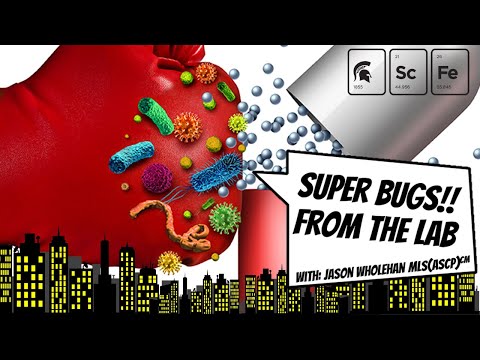
So, here’s a fun fact for you: Did you know that there are more bacteria living in your body than there are people on Earth? Crazy right? It’s like you’re hosting a little party in there, and some of those guests are super helpful, while others… well, they can be real party crashers.
Bacteria get a pretty bad rap. But honestly, not all of them are villains! Some do amazing stuff for our health and the planet. Think about it: they help break down waste, fight off nasty bugs, and even make your yogurt delicious.
Now, let’s chat about how these tiny organisms actually tie into bigger stuff like science and public health initiatives. You’re probably thinking, “How does bacteria relate to me?” Well, it’s all connected! When scientists study bacteria, they’re not just peering into microscopes. They’re figuring out ways to keep us safe and healthy.
So buckle up! We’re about to explore why understanding these minuscule creatures is crucial for both science and our everyday lives. Trust me; once you see the bigger picture, you won’t look at bacteria the same way again!
Bacteriological Study in Science: Enhancing Public Health Initiatives – PDF Guide
Bacteriological studies play a crucial role in our ongoing battle for better public health. So, what does this mean exactly? Well, it’s all about understanding the tiny microbes that can cause big problems—like bacteria! These little guys are everywhere; on our skin, in the soil, and even in the food we eat. Some are friendly and help us out, while others can make us sick.
When scientists conduct bacteriological studies, they usually gather samples from various environments. This could be anything from drinking water to hospital surfaces. The aim is to identify any harmful bacteria lurking around. Like, have you ever heard of E. coli? It’s often linked to food poisoning and can cause serious health issues if you’re not careful.
Once researchers isolate these bacteria, they analyze them to understand their characteristics—how they grow, their resistance to antibiotics, and more. Not only does this help in tracking outbreaks but also in developing effective public health initiatives. For instance:
- Surveillance: Keeping an eye on bacterial levels in communities helps prevent outbreaks.
- Health Education: Once we know what we’re dealing with, we can inform the public—like stressing proper handwashing techniques.
- Policy Development: Data from these studies often leads to new sanitation laws or guidelines for food safety.
Picture this: A tiny town experiences a sudden spike in stomach flu cases. Local health officials might jump into action by performing bacteriological testing on local water supplies and restaurants. If they find traces of a harmful strain of bacteria, they can swiftly implement necessary measures to protect residents.
But it’s not just about catching bad bacteria; it’s also about prevention! That’s where initiatives based on research come into play. By promoting vaccination programs or better hygiene practices derived from study findings, communities can reduce the risk of infections significantly.
You might be wondering: how do scientists share their findings? Well, many put together detailed reports or guides—sometimes even PDFs—that outline their findings and recommendations for public health strategies. It’s like creating a blueprint for keeping people safe!
In conclusion, bacteriological studies aren’t just lab work; they’re vital tools for improving health outcomes worldwide. By digging deep into bacterial behavior and effects on human health, researchers pave the way for smarter policies that enhance our everyday lives.
So yeah, next time you wash your hands or hear about a public health campaign focused on germs, remember all that hard work going on behind the scenes! Science really is at the heart of keeping us healthy and well!
Bacteriological Studies: Key Insights for Enhancing Public Health Initiatives in Science
Bacteriological studies play a huge role in promoting public health. You might not think about it much, but bacteria are all around us—some good, some not so good. So, understanding these little guys can seriously help improve health initiatives.
First off, identifying pathogenic bacteria is super important. When we know which bacteria cause diseases, we can take action to prevent outbreaks. For example, recognizing E. coli strains that can lead to food poisoning helps in setting up better food safety regulations.
Also, monitoring bacterial resistance to antibiotics is another key insight. As bacteria evolve, some become resistant to common treatments. This could lead to infections that are really hard to treat! By studying how resistance spreads and changes over time, health organizations can create more effective guidelines for prescribing antibiotics. Seriously, it’s about keeping those medicines working!
Then there’s the whole issue of environmental monitoring. Bacteria aren’t just in humans; they’re everywhere! Soil and water testing can reveal the presence of harmful bacteria that could affect communities. Remember that summer you went swimming in a lake? That water quality testing can determine if it’s safe or if there’s a risk of illness lurking beneath the surface.
Also, let’s not forget about public education. Studies show that if people are informed about what causes bacterial infections and how to prevent them—like washing hands or cooking food properly—they’re less likely to get sick. Imagine if everyone took those simple steps; we’d see fewer hospital visits related to infections!
Finally, the collaboration between scientists and public health officials is vital. When bacteriologists work alongside policymakers and community leaders, they can develop tailored initiatives based on solid data. Think of it this way: informed decisions lead to targeted campaigns that resonate with specific populations.
So yeah, bacteriological studies give us key insights that help enhance public health initiatives considerably. By diving deep into the world of bacteria—recognizing threats and empowering communities—we get one step closer to healthier lives for everyone!
Bacteriological Analysis of Water: Essential Insights for Environmental Science and Public Health
Water, the Essence of Life. You know, it’s super easy to take water for granted. I mean, we drink it daily without even thinking about what might be lurking in it. However, when we look at water from a scientific point of view, especially regarding its bacteriological analysis, things get pretty interesting.
When we talk about bacteriological analysis of water, we’re essentially discussing how scientists test and monitor water for harmful bacteria and pathogens. This is crucial for both environmental science and public health because contaminated water can lead to serious health problems. Remember that time when your friend got super sick after a camping trip? Yeah, bad water can mess you up fast.
So, why is this analysis so important? Here are some key points to consider:
- Health Risks: Waterborne diseases like cholera and dysentery are primarily caused by bacteria present in contaminated water sources. Seriously, these infections can be lethal.
- Environmental Monitoring: Checking the bacteriological quality of rivers and lakes helps us understand the overall health of ecosystems. If bacteria levels are high, it could point to pollution or other environmental issues.
- Regulatory Compliance: Many governments have laws regarding safe drinking water standards. Regular testing is necessary to ensure compliance with these regulations.
- Public Awareness: By tracking bacterial contamination in local waters, communities are made aware of potential hazards. Knowledge is power!
Now let’s get into the nitty-gritty of how this type of testing usually goes down. Scientists collect samples from various sources—think taps, rivers, lakes—and they analyze these samples for specific bacteria using different methods.
One common method involves cultivating bacteria on special media in a lab setting. Basically, they’ll grow the bacteria in controlled environments to see what kinds are present and in what numbers. This isn’t just some guesswork; these cultures can help identify if pathogens like E.coli, which indicates fecal contamination (yikes!), are swimming around.
If you’ve ever heard someone mention the term “indicator organisms,” that’s usually referring to certain bacteria that act as red flags for contamination risk. E.coli is a classic example here! It doesn’t necessarily mean that bad stuff is definitely there if it shows up—but it’s definitely something you should pay attention to.
The cool thing about studying bacteria in water also helps link us directly back to our everyday lives too! For instance, after heavy rains or flooding events, monitoring begins because runoff can introduce all sorts of nasty stuff into clean watersheds that supply drinking water.
Also imagine community initiatives where locals get involved! Sometimes schools or colleges partner with cities to monitor local waterways as part of educational programs on environmental science and public health awareness—definitely a win-win!
In summary—studying bacteria in our water sheds light on vital aspects affecting both ecological balance and human health alike. The next time you’re sipping a glass or splashing around in your local lake think about all the science going on beneath those rippling surfaces! Cheers to clean drinking water!
So, let’s chat about bacteriology, which is basically the study of bacteria. You know, those tiny little critters that make up a huge part of our world? They’re everywhere! Some are good for us, helping our stomachs digest food. Others can be pretty nasty and cause all sorts of illnesses. It’s like this big balance of nature, and understanding it is super important, especially when we think about public health.
A while back, I was visiting a local health clinic for a flu shot—first time ever! While waiting there, I overheard some folks talking about outbreaks in their community. Like, it really hit me how essential bacteriological studies are in these scenarios. Scientists collect samples from people who get sick to figure out what type of bacteria is behind it all. This info can lead to better treatments and even vaccines!
Think about it: without these studies, the response to an outbreak could be so much slower. We might not even know where the bacteria came from or how to stop it from spreading further. There’s this rush to help people recover quickly and prevent more infections, and that’s where research comes in handy.
And you know what’s kind of wild? The work doesn’t stop at hospitals or labs; it spills over into schools and public spaces too. Initiatives spring up to boost hygiene practices like hand-washing (seriously, wash your hands!) and getting immunized—those tiny actions can be game-changers in preventing disease spread.
What tugs at my heartstrings is how science isn’t just numbers and Petri dishes—it affects real lives every day. Think of a community rallying together after a bacterial outbreak; they lean on scientists for answers and guidance. It’s like this partnership where everyone plays a role.
So yeah, bacteriology might sound all technical or academic at first glance, but at its core? It’s about keeping communities healthy and safe. And that’s something we should all care about!