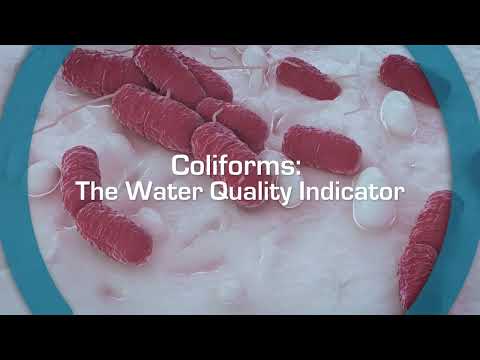
Okay, so picture this: you’ve just taken a big swig of what you thought was refreshing water, only to realize it tastes… off. Yikes, right? It’s like a rude awakening to the importance of water quality!
You might think that as long as it’s clear and comes from the tap or a bottle, it’s all good. But hold on! There’s a whole world of tiny creatures swimming around in there—like bacteria!
Yeah, I know it sounds gross. But here’s the thing: not all bacteria are bad. Some can even be helpful! It’s just that figuring out which ones are hanging out in our water is super important for keeping us healthy.
So, bacteriological testing comes into play. It’s kind of like being a detective for your drinking water. Let’s chat about why that matters and what it really means for you!
Comprehensive Guide to Microbiological Testing of Water: PDF Resources for Scientific Analysis
So, let’s chat about microbiological testing of water. You might be wondering why this is important. Well, water quality is crucial for our health and the environment. If you think about it, water is everywhere; we drink it, swim in it, and use it to grow food. Keeping it free from harmful microorganisms makes a big difference.
Microorganisms in water can include bacteria, viruses, and protozoa, and not all of them are bad! Some help clean up the environment. But, when harmful ones, like E. coli or Giardia, show up, that’s a big problem.
Now, when we test water for these little critters—known as microbiological testing—it’s a way to check its safety. There are different methods out there that scientists use to analyze samples from lakes, rivers or even your tap water.
One common method is called culturing. Basically, you take a sample of the water and put it on a special dish that encourages bacteria to grow. After some time (think days), you can see how many colonies pop up—each representing bacteria from your sample.
Another technique involves using molecular methods. This includes tests like PCR (Polymerase Chain Reaction), which can identify specific pathogens without needing to grow them first. It’s pretty quick and precise!
If you’re into resources for diving deeper into this topic—or maybe you’re looking to conduct some tests yourself—you’ll find PDFs loaded with info on methods and safety guidelines all over the internet. Just search for terms like “microbiological testing manuals” or “water quality analysis.” You’ll find government organizations or universities often share valuable documents for free.
When looking at test results, it’s essential to know what those numbers mean! A lot of times they will report counts per 100 milliliters of water. So if you see something like “5 E. coli per 100 ml,” that’s a red flag! Drinking water should ideally have zero detectable levels of E. coli because even small amounts can cause serious health issues.
And speaking about health: I remember reading this story about a town that had contaminated drinking water due to an agricultural runoff issue. Once they started regular microbiological testing, they were able to identify the contamination quickly before people got sick! It really highlighted how vital these tests can be in protecting communities.
In summary, using microbiological testing helps ensure that our water stays clean and safe for everyone—from flushing the toilet to filling your glass at the kitchen sink. Being aware of what’s in our water is one step towards safeguarding our health!
Essential Microbiological Water Testing Methods: Ensuring Safety and Quality in Environmental Science
Water is one of those things we often take for granted, right? We just turn on the tap and expect it to be safe and clean. But, honestly, it’s not that simple. There’s a whole world of microscopic organisms in water which can affect its quality. This is where microbiological testing comes into play.
Microbiological water testing helps determine if water is safe for drinking or recreational use. It’s kind of like giving water a health check-up! The primary focus here is to detect pathogenic microorganisms, which are germs that can make you sick. Let’s break down some essential methods used in this testing.
Culturing is one of the oldest techniques. You take a sample of water and put it on a special growth medium, like agar plates. Then, you wait and see if any bacteria grow. It’s kind of like watching grass grow but, you know, with germs. This method takes time—a few days at least—but it shows not only if there are harmful bacteria but also how many are present!
Then there’s the Membrane Filtration Technique, which sounds fancy but isn’t too complicated. Water is passed through a filter that catches any bacteria present. After filtering, the membrane is placed on an agar plate to see what grows. This method is super effective for larger volumes of water.
Another cool method involves Molecular Techniques, specifically PCR (Polymerase Chain Reaction). This technique lets scientists look for the DNA of specific pathogens directly in the water sample without needing them to grow first—like finding a needle in a haystack! It’s quick and can tell you exactly what microorganisms are lurking around.
You might ask why these tests matter so much? Well, imagine going for a swim on a hot day in your favorite lake only to find out later that it’s full of bacteria! Or think about drinking tap water that looks clear but has hidden nasties—yikes! Regular microbiological testing ensures safety and quality by keeping potential threats in check.
Testing isn’t just for big cities; rural communities benefit from it too! For instance, places relying on wells need to ensure their groundwater isn’t contaminated with things like E.coli or other harmful bugs from nearby farms or septic systems.
So yeah, when we think about clean drinking water or safe swimming spots, microbiological testing plays an invaluable role in our daily lives—keeping us healthy without us even realizing it!
Microbiological Testing of Water: Key Insights and Best Practices in Scientific Research
Water is essential, right? But how do we really know if it’s safe to drink or chill in? That’s where microbiological testing swoops in to save the day. This testing looks for bacteria and other microbes that could mess with our health. Let’s break down some key insights and best practices in this field, so you get a clearer picture of what’s going on.
Microbiological testing mainly focuses on detecting harmful microorganisms like bacteria, viruses, yeasts, and molds in water. You see, even if water looks crystal clear, it can still hide some nasties you wouldn’t want to find out about. Think of it as a hidden world teeming with life you can’t see.
The most common bacteriological tests check for E. coli, which is a major indicator of fecal contamination. Like, if E. coli shows up in your drinking water, it’s a red flag that there might be poop nearby—yikes! Other bacteria of concern can include Salmonella, Legionella, and even certain strains of Vibrio. Just knowing these things exist is enough to make anyone cautious.
Now how do the scientists actually test for all those creepy crawlies? Well, they use several methods:
- Membrane Filtration: This technique filters water through a membrane that traps bacteria. The membrane is then put on nutrient media to let the colonies grow—kind of like waiting for bread to rise! More colonies mean more potential problems.
- Multiple-tube Fermentation: In this method, water samples are diluted and put into tubes with growth media. If they show gas production or color changes after incubation, it hints at the presence of certain coliforms.
- PCR (Polymerase Chain Reaction): This one’s pretty high-tech! PCR can detect specific DNA sequences from pathogens even when there are only tiny amounts present.
When it comes to best practices in microbiological testing, here are some pointers worth noting:
- Sterile Techniques: Always use sterile equipment and containers! Contamination during sampling or handling can skew results faster than you can say “oops!”
- Timely Analysis: Test samples should be analyzed quickly—ideally within 24 hours—to get accurate results before things change.
- Adequate Sampling: Ensure samples come from various points within a water system so that you’re not just getting a ‘lucky’ result from one spot.
- Regular Monitoring: Implementing routine checks helps catch issues before they escalate into full-blown crises.
Let me share a little story here. A small town I once visited was having trouble with their local well water. Residents were noticing stomach issues but didn’t connect the dots until they decided to conduct regular microbiological testing—they found E. coli levels off the charts! It turned out there was damage near the well from recent storms allowing contaminants in. They fixed up the area and now have healthier drinking water—and peace of mind!
In summary, microbiological testing is super crucial for ensuring our water remains safe by keeping ugly surprises at bay. From choosing appropriate methods to monitoring regularly, it plays an indispensable role in public health. Whether you’re on city supplies or using well water yourself, knowing what’s flowing through your taps is just smart—it empowers you to make informed decisions about your health!
Water is life, right? I mean, we all know that. But it’s funny how we sometimes take it for granted. You turn on the tap, and there it is—clear, cool water. But what if I told you that there’s a whole microscopic world living in that water? Yeah, I’m talking about bacteria. Now, before you freak out thinking it’s all gross and unsafe, let’s chat about how water quality and microbiology go hand in hand.
A while back, I visited a small town that had been hit by a bad storm. The local water supply got contaminated with runoff from the streets. It was chaos! They had to do extensive bacteriological testing to figure out what was lurking in the water. Sounds intense, huh? But here’s the deal: this kind of testing is super important because not all bacteria are bad. Some are even beneficial! It’s like a tiny ecosystem down there.
So, bacteriological testing helps us identify harmful bacteria like E. coli or Salmonella that can make us really sick. They’re like those uninvited guests at your party who just bring chaos. Knowing what’s in your water helps communities stay healthy and safe.
You see, scientists use special techniques to test for these microorganisms—like culturing samples on petri dishes or using advanced methods like PCR (which stands for polymerase chain reaction—big words but basically smart science). And once they find something sketchy, they can act fast to fix it.
But here’s the emotional kicker: think of families who rely on clean drinking water for their kids or elders with health issues who can’t afford to get sick from contaminated supplies. It hits home when you realize how crucial these tests are for protecting everyone’s well-being.
Water quality isn’t just about clarity or taste; it’s about ensuring safety and health through understanding what’s floating around at the microscopic level. And as catchy as those bottled-water ads are (you know which ones), nothing beats knowing your tap is clean because of rigorous testing done by dedicated folks out there.
So next time you pour yourself a glass of water—or maybe chug it down after a workout—pause for a second and appreciate what goes into making sure it’s safe to drink! It’s pretty wild how much effort goes into keeping our most vital resource clean and sound when you think about it!