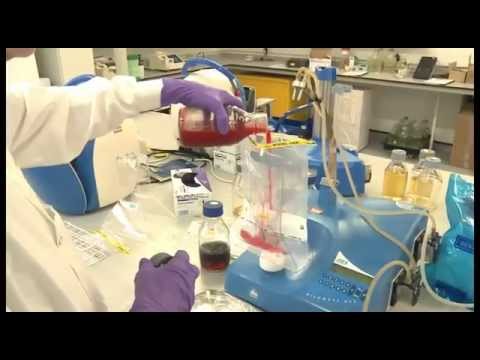
You know that feeling when you take a sip of water and think, “What the heck is in this stuff?” I mean, it’s just water, right? But sometimes, it’s not as innocent as it seems.
Picture this: on a hot day, you’re out and about, and you find yourself at a park fountain. You reach for that lovely, cool refreshment. Then suddenly, your brain’s like, “Wait—what if there are tiny monsters in there?” Okay, maybe not monsters exactly. But seriously, microorganisms can be sneaky little devils hiding in our water!
Microbiological testing is like the superhero of public health. It swoops in to check if our water is safe to drink or if it’s a science experiment gone wrong. So let’s chat about why knowing what’s swirling around in our water matters more than you might think!
Essential Methods for Testing Microbiological Water Quality in Scientific Research
Sure! Let’s chat about testing microbiological water quality—it’s super important for public health, right? You know, when we talk about water safety, we’re really diving into how we keep our drinking water clean and safe from harmful bugs. So, let’s break down some essential methods used in this area.
1. Culture Methods
This is like the classic way of testing. You take a water sample and put it on a special dish that helps bacteria grow. Then, you wait and see what pops up! This method is great because it can identify specific types of bacteria, like E. coli, which is often used as an indicator of fecal contamination. What’s neat is that you can sometimes see the colonies change color or form in different shapes, which tells scientists what type of bug they’re dealing with.
2. Membrane Filtration
This technique is pretty cool too! You filter a known volume of water through a fine membrane that traps bacteria on its surface. After filtering, you place the membrane on a growth medium to encourage bacterial growth. In just a day or so, you’ll get an idea about how many bacteria were in the original sample based on how many colonies appear on the plate.
3. Most Probable Number (MPN)
Now here’s where it gets interesting! The MPN method estimates the number of bacteria based on dilution techniques—think of it like mixing things up until they’re almost gone! You take several dilutions of your water sample and add them to tubes containing growth media. After letting them sit for a bit, you check which tubes show signs of growth (like clouds forming). Then you use statistical tables to estimate how many bacteria were in the original sample.
4. Polymerase Chain Reaction (PCR)
If you’re looking for something high-tech, PCR might catch your interest. This method detects even tiny amounts of microbial DNA in water samples—it’s super sensitive! Basically, it amplifies DNA so much that even a single bacterium can be detected if it’s there. It’s fast too; you can get results in just hours rather than days!
5. Enzyme-Linked Immunosorbent Assay (ELISA)
This one’s fancy but important! ELISA tests look for specific proteins produced by microbes rather than counting them directly. Scientists coat wells with antibodies targeting those proteins and then add diluted water samples to see if anything binds to them. If something does bind, there’s likely contamination happening.
6. Rapid Test Kits
These kits are becoming more common—you can find some that can give results within minutes! They often use color reactions or other indicators to signal when certain harmful microbes are present in the water.
Each method has its pros and cons; sometimes it’s all about what you’re looking for or how quickly you need results! For instance, culture methods are reliable but slow while PCR offers speed but requires more specialized equipment.
It’s fascinating thinking about all these techniques working together to keep our drinking water safe from nasty germs lurking around! Remembering to test regularly doesn’t just protect us today—it ensures future generations will have clean water too!
So yeah, next time you sip from a glass or splash in a pool, think about all those behind-the-scenes efforts keeping our waters safe and sound! Pretty cool stuff if you ask me!
Essential Guide to Testing Water Safety: Methods and Best Practices in Scientific Analysis
Testing the safety of our water is super important—for us, and for our health. It’s basically like checking to see if your favorite food has gone bad before you take a bite. So, let’s dig into how we can make sure our water is clean and safe to drink.
Microbiological testing is one of the key ways we make sure water isn’t crawling with harmful germs or bacteria that can make us sick. Here are a few methods scientists use:
- Culture Methods: This is one common technique. Basically, scientists take a sample of water and put it on a special jelly-like substance called agar that encourages bacteria to grow. After some time, they can count the colonies and identify what’s there.
- Membrane Filtration: With this method, water is passed through a filter that captures any tiny microorganisms. Then those filters are placed on specific growth media to see if anything grows on them.
- Molecular Methods: Ever heard of PCR? It stands for Polymerase Chain Reaction. This fancy technique helps scientists detect even small amounts of harmful DNA in the water sample without needing to grow anything first.
- Enzyme-Linked Immunosorbent Assay (ELISA): This method uses antibodies (like little soldiers) that stick to specific germs or toxins in the water, helping identify if they’re present quickly and accurately.
But testing isn’t just about picking one method; it’s about knowing when and how to use them effectively! Testing should happen regularly, especially if you’re using well water or live near farms or factories—places where contamination might sneak in.
Now let’s talk best practices because you don’t want to mess this up!
Sample Collection is key; think of it like taking a selfie but for your water source. You’ve got to make sure you’re sampling from the right spot—say, not near something gross floating around! Use clean containers, too; otherwise, you’ll end up contaminating your sample.
Then there’s Timing. Water can change quality quickly based on weather or other factors. It’s best to test when conditions are stable; after heavy rain might be risky since runoff can bring all sorts of unwanted guests into the mix.
And hey, once you have those samples ready, getting them analyzed as fast as possible is crucial. Microorganisms love a warm bath! If samples sit too long before testing, they could multiply too much or die off—leading you down a not-so-helpful path.
Always document everything—like dates and places—that way if something goes wrong later on with your results or complaints come flying in about bad drinking water somewhere in town, you have all your ducks (sorry) lined up!
Lastly, remember communication is huge! If you’re part of a community dealing with public health safety around water supplies, share findings openly and work with local health departments.
In short, keeping our drinking water safe involves some science magic mixed with careful habits. It’s all about catching potential issues before they turn into problems we can’t ignore! Don’t take anything for granted—it only takes one sip from contaminated H2O for things to go south fast!
Understanding CDC Guidelines for CFU/mL Standards in Potable Water Quality Assessment
Sure! Let’s talk about the CDC guidelines for CFU/mL standards in potable water quality assessment.
First off, what’s CFU/mL? It stands for Colony Forming Units per milliliter. Basically, it’s a way to measure how many bacteria are present in a water sample. Imagine you have a glass of water—if we test that glass and find a certain number of CFUs, we get an idea of how clean or contaminated the water is.
Now, why does the CDC care about this? Well, drinking water is crucial for our survival, right? If there are harmful bacteria lurking around, they can cause illness. The CDC sets guidelines to make sure our drinking water remains safe by limiting the amounts of these microorganisms.
And here comes the nitty-gritty: the guidelines. They focus on specific pathogens often found in drinking water like E. coli or Salmonella. These are not just random names; they can make you really sick if ingested in even small amounts.
The Cfu/mL standards help public health officials decide when a sample indicates potential danger. If your sample shows too many CFUs per milliliter—like way over 1 or 100—you may need to take action, like notifying people not to drink that water until it’s tested again or treated.
Here are some key points about these guidelines:
- Sampling Methods: The way you collect your water sample matters a lot! You gotta ensure it’s sterile; otherwise, you might get false readings.
- Testing Techniques: The CDC recommends using specific techniques like membrane filtration or multiple-tube fermentation methods for accurate results.
- Status Updates: After testing your samples and finding results above recommended levels, it’s crucial to issue public alerts quickly. Nobody wants to sip on contaminated H2O!
But hey, testing isn’t just done once and forgotten about! Water quality can change due to all sorts of reasons—nature can be unpredictable! Seasonal changes, heavy rains washing stuff into sources—it’s an ongoing process.
Also important: it’s not just about quantity but also quality. Some bacteria might not be harmful at low levels while others could be dangerous even at trace amounts. That’s why adhering to these CFU/mL standards is so critical for protecting public health.
Speaking from personal experience—I once went camping and realized last minute that we hadn’t treated our water properly before drinking it. Yikes! Talk about anxiety city! We didn’t get sick (thankfully), but I learned that ensuring safe drinking water is no joke.
So yeah, monitoring CFU/mL levels in potable water helps keep communities safe. It ensures access to clean drinking water—a basic human need—and prevents outbreaks from pathogens hiding out in our precious resources. Following these guidelines seriously impacts public health safety and keeps us healthy and happy!
You know, when you think about water, it’s easy to take it for granted. We just turn on the tap and voilà! But imagine how many tiny creatures are in that liquid we drink every day. Microorganisms—like bacteria, viruses, and protozoa—can be hanging out in there, waiting for their chance to make us sick. That’s why microbiological testing of water is kind of like a superhero movie, where those tiny nasties get kicked out before they can wreak havoc.
So here’s a little story: I remember a camping trip from a few years back. We thought we were being all outdoorsy and eco-friendly by sourcing water directly from a nearby stream. We didn’t think twice about it until one friend got really sick after drinking it. Turns out, that stream was full of microscopic troublemakers! It was a lesson learned the hard way about just how important clean water is.
Microbiological testing helps catch those pesky pathogens before they make their way into our drinking supply. Basically, scientists test samples from lakes, rivers, and even treatment plants to see if anything bad is lurking around. They use methods like culturing bacteria or even molecular techniques to identify germs that could cause diseases like cholera or giardiasis—seriously not fun stuff!
And while some people might roll their eyes at the idea of spending time on this testing because they CAN’T see these microorganisms with their naked eye, well, that’s part of what makes it so crucial! The thing is, if we want healthy communities and safe drinking water—especially in places where resources are limited—we need to be vigilant. It’s not just about avoiding sickness; it’s about protecting public health and ensuring everyone has access to clean water.
In essence, microbiological testing isn’t just science; it’s a shield for our health! Catching these harmful buggers means fewer bacterial infections and happier lives overall. So every time you take a sip from your glass or splash some water on your face after a long day, remember there’s a whole lot of behind-the-scenes work going on to keep that H2O safe and sound!