You know that feeling when you’re trying to explain something super cool to a friend, and they just stare at you like you’ve grown another head? Yeah, been there! It’s wild how communication can be such a tricky dance.
So, let’s talk about behavior chain analysis. Sounds all fancy, huh? But really, it’s just about breaking down the steps we take when we communicate. Imagine it like peeling an onion—layer by layer until you get to the juicy bit!
What if I told you that understanding these little chains can totally change how we share science? Seriously, it’s like finding the secret sauce for making science exciting and relatable. You follow me? By figuring out where things might go sideways in our explanations, we can connect with people better.
So stick around! We’ll unpack this together and see how tweaking our approach can make a world of difference in getting our scientific ideas across. It’s gonna be fun!
Exploring the Four Branches of Behavior Analysis: A Comprehensive Overview in Behavioral Science
Behavior analysis is like this amazing toolbox for understanding how people act and why. Basically, it’s split into four main branches that give us perspective on behavior, looking at everything from the individual to the broader social context. So, let’s break them down a bit!
The first branch is Experimental Analysis of Behavior. This one’s all about the nitty-gritty experiments in a lab setting. Researchers here study behavior under controlled conditions to figure out how different factors influence actions. Picture someone conditioning a rat to press a lever for food. They’re observing how different rewards affect the rat’s pressing pattern—pretty fascinating stuff!
Now we move on to Applied Behavior Analysis (ABA). This branch takes all those experimental findings and applies them in real-world situations, like in schools or therapy settings. For example, if a child with autism has trouble communicating, therapists can use ABA techniques to reinforce communication through positive feedback or rewards. It’s seriously transformative—you see kids making big strides over time.
The third branch is called Behaviorism. This one’s more philosophical but focuses on understanding behavior without worrying too much about what’s going on in someone’s head. Think of it like this: if you focus on what people do rather than what they feel or think, you can predict their actions based on past experiences and environmental factors.
Cognitive Behavioral Therapy (CBT) comes into play with the fourth branch, which bridges cognition and behavior. CBT is used a lot in mental health treatment because it helps folks understand how their thoughts influence their feelings and actions—and vice versa! Let’s say someone feels anxious about speaking in public; through CBT, they might identify negative thoughts that trigger that anxiety and work to replace them with more positive ones.
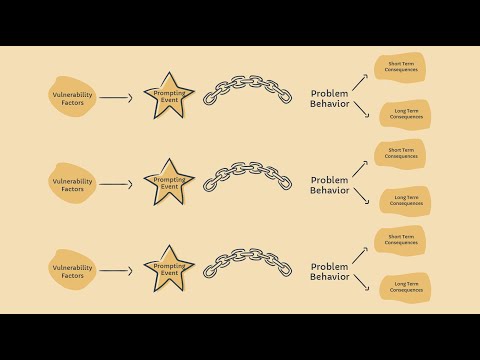
Now, tying this all back to **behavior chain analysis**: this involves breaking down complex behaviors into smaller parts based on these branches! By analyzing these chains of behavior step-by-step, you can pinpoint where things might be going wrong or what reinforcement methods could help improve an outcome.
- You start by identifying the specific behaviors you’re interested in.
- Then dissect each part of that behavior chain—what triggers it? What follows?
- This lets you see clear pathways for change and improvement.
This method is super useful in science communication practices as well. When educators understand these branches and apply chain analysis, they can tailor messages effectively based on audience behaviors—like knowing when to reinforce engagement during a talk or recognizing when to switch strategies if people seem bored.
You see? Behavior analysis isn’t just some dry academic subject; it’s got real-life applications that touch so many areas—from classrooms to therapy rooms and even public speaking! And getting a grasp on these four branches really helps us understand ourselves and others better.
Understanding Behavioral Science in Communication: Insights and Applications in Modern Research
Behavioral science in communication focuses on how people’s actions and thoughts influence the way they interact with information. It sounds pretty heavy, right? But really, it’s all about understanding what makes people tick in their conversations and exchanges. When we apply this to science communication, we can figure out how to share scientific ideas more effectively.
One of the cool methods in this area is called Behavior Chain Analysis. Basically, it’s like tracing a trail of crumbs back to the source. You look at a behavior and break it down into smaller steps to understand why someone did something. This insight can help scientists communicate ideas better by focusing on the root causes of misunderstandings or resistance.
To make this clearer, let’s break down some key points:
- Understanding Triggers: Every action has a trigger. For instance, imagine someone hears about climate change from a friend and reacts skeptically. What triggered that skepticism? Maybe it’s past experience or misinformation.
- Identifying Responses: After identifying triggers, the next step is understanding responses. If a person doesn’t trust scientific information because they think scientists have agendas, then that’s where communication strategies can pivot.
- Building Trust: The process is about creating trust between scientists and audiences. When people feel safe and respected in conversations about science, they’re more likely to engage positively with new ideas.
- Testing and Adapting: Research isn’t static! Scientists need to test how people respond to different messaging and adapt accordingly. What works for one group might not work for another.
A great example is when public health campaigns tackle issues like vaccination hesitancy. They often use behavior chain analysis to identify fears or concerns people have about vaccines—like side effects or mistrust in pharmaceutical companies—and address those specific points directly in their messaging!
You know what else is neat? The way behavioral insights can improve how science communicators present data. Visual aids play a massive role here! When you present complicated info through simple graphics or relatable stories, it helps connect with people emotionally—making the science less daunting.
The journey doesn’t stop there; it continues as ongoing research shapes our understanding of these behaviors. New studies will keep popping up that refine our strategies even further! By sticking close to core principles from behavioral science while constantly engaging with diverse audiences, effective science communication will keep evolving.
At the end of the day, grasping behavioral science adds depth to how we talk about important topics like health or climate change. It’s not just about facts but relating those facts in ways that resonate with people’s lives and experiences!
Enhancing Science Communication: Behavior Chain Analysis Worksheet for Effective Practices
So, you know how when you’re trying to explain something to a friend, it can get a bit tricky? That’s where **behavior chain analysis** comes in. It’s like a roadmap for effective science communication. Basically, it breaks down what needs to happen, step by step, to make sure the message gets across.
Let’s break this down further. The idea is to look at the sequence of behaviors that lead to successful communication. You start with the initial action and then chart out each response or interaction that follows. By doing this, you can spot where things might go wrong and figure out how to fix them.
You might ask yourself: *Why should I even care about this?* Well, imagine you’re talking to someone about climate change and they just zone out halfway through your explanation. That’s frustrating! It means somewhere along your behavior chain, something didn’t connect.
Here are some key points that make behavior chain analysis super useful:
- Identify key behaviors: Look at what actions are necessary for effective communication. For example, if you want someone to understand a scientific concept, clear definitions are crucial.
- Analyze interactions: Pay attention to how people respond during discussions. If they ask questions or seem confused, note that—those are signs you need adjustment.
- Feedback loops: Communication isn’t just one-way; it’s like having a conversation with a friend—there should be give and take! If someone isn’t engaging with your material, think about why.
- Build on successes: When something works well—like explaining a tough concept in simple terms—stick with it! Learn from those moments.
Now let’s get real for a second. Picture this: You’re at a party (like pre-pandemic times!) chatting about black holes with someone who knows nothing about astrophysics. You start talking all technical and before long their eyes glaze over—it’s not connecting at all! But let’s say instead you use an analogy, saying black holes are like cosmic vacuums sucking everything in. Suddenly they’re interested! That shift is exactly what behavior chain analysis helps pinpoint.
Incorporating these practices into your science communication can seriously level up your game. It helps not just in academic circles but also in everyday conversations where explaining complex ideas simply matters.
So remember: start with understanding who your audience is and where their knowledge lies; tailor your message accordingly following the steps of behavior chain analysis; and always be ready to adapt based on feedback! This way, you’ll not only get people interested but also keep them engaged throughout the conversation. Like magic!
Alright, let’s chat about something called Behavior Chain Analysis in science communication practices. It’s a bit of a mouthful, but bear with me!
So, the idea behind this is kind of neat—it’s all about understanding how people react and interact when they’re faced with new information. Picture yourself learning something new, like why the sky is blue. You start with a question, maybe you remember being a kid and asking your parents that very thing! They might have said it’s because the sky is reflecting the ocean or something. But as you dig deeper, you find out it’s actually about light scattering.
Anyway, that curiosity leads you down a chain of behaviors: asking questions, seeking answers, and maybe even sharing what you’ve learned with your friends. This whole process can be linked to Behavior Chain Analysis. Here’s where it gets interesting—by mapping out these behaviors step by step, we can figure out how to communicate science more effectively.
For instance, let’s say we want to tell people about climate change. If we can pinpoint each stage—from someone first hearing about it to having those “aha!” moments—we can tailor our approach at each point! It’s all about creating those connections in their minds.
Now imagine standing in front of a group of people, trying to explain complex ideas. If you notice their eyes glazing over or if they look confused, it’s like… whoops! You’re missing that connection somewhere in the chain. But if they nod or smile when the topic shifts from data to relatable stories—like how climate change affects their hometown—it suddenly feels way more relevant.
And here’s where my heart gets involved: I remember once giving a talk where I used an example from my childhood about walking through a forest and noticing fewer trees as I grew up. It struck chords with folks because they could see themselves in it! That emotional connection? Super powerful.
So really, Behavior Chain Analysis isn’t just some technical mumbo jumbo; it’s an insightful tool for anyone trying to share science in ways that resonate with people. By recognizing those chains and tweaking them based on feedback or emotions—like excitement or concern—we can make dry facts come alive!
In short, talking about science isn’t just about throwing facts at people; it’s feeling their reactions and adjusting based on what strikes a chord in them—you know? It has this amazing potential to shift minds and spark conversations that stick long after the information is shared. And that? Well that’s worth celebrating!