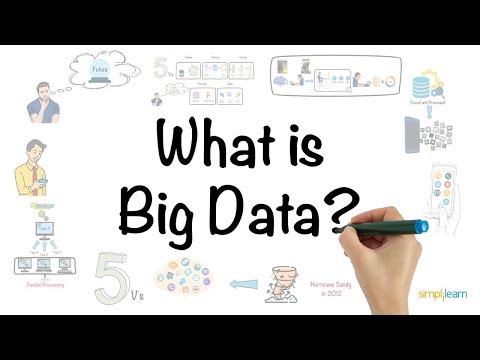
You know that feeling when you’re scrolling through your social media feeds, and it seems like the ads know you better than your best friend? You’re thinking, “I just mentioned I like tacos, and now here’s a taco shop ad!” That’s just a tiny glimpse of what big data can do.
Okay, let’s take a step back. Big data is like this massive jigsaw puzzle made up of every pic you post, every search you make. Imagine scientists using similar pieces to uncover trends for research. Pretty cool, huh?
Now picture this: researchers diving into oceans of information, finding patterns faster than you can binge-watch your favorite series. They’re not just crunching numbers; they’re solving mysteries that can change lives. Seriously.
But it’s not all serious lab coats and goggles! There’s an exciting side to how big data connects us all in science outreach too. Think of it as a bridge linking researchers with everyone else—making science accessible and fun!
So, are you ready to see how this big data magic transforms the way we do science? Buckle up!
Transforming Scientific Research and Outreach: The Impact of Big Data Analytics in 2022
Big Data Analytics has become one of the hottest topics in scientific research and outreach. It’s like having a superpower that lets researchers sift through mountains of data quickly, finding patterns and insights that were once near impossible to uncover. Imagine if you had a treasure map, but instead of “X marks the spot,” it showed you where all the hidden gems are buried—all thanks to data!
One of the coolest things about big data is how it helps scientists collaborate across disciplines. So, let’s say a biologist teams up with a computer scientist. They can analyze massive datasets from both biology and computer science, leading to groundbreaking discoveries that wouldn’t happen in isolation. You see, they can identify trends related to diseases faster than ever before.
But it’s not just about crunching numbers. Big data analytics allows scientists to visualize complex information in ways that make sense. Think of colorful graphs or interactive maps that tell stories about climate change or public health trends. These visuals help communicate findings more effectively! When scientists can share these insights clearly, they reach broader audiences.
You might wonder how this impacts outreach—well, it’s significant! With accessible tools and techniques, even non-experts can grasp sophisticated concepts through engaging content based on real data. Universities and research institutions are making findings available online in user-friendly formats; it’s about getting science out into the open.
Plus, consider citizen science projects powered by big data! People from all walks of life can contribute to research just by sharing their observations or using apps designed for specific studies. This hands-on involvement creates a community around science and amplifies outreach efforts.
When discussing ethics, we can’t forget it plays an essential role here too. Handling massive datasets comes with responsibilities: protecting privacy and ensuring data integrity are top concerns for researchers today. They need to be transparent about how they collect and use information because trust is key when engaging with communities.
And let’s touch on machine learning. This technology takes big data analytics to another level by allowing computers to learn from patterns without explicit programming. For instance, algorithms can predict disease outbreaks by analyzing social media trends or environmental conditions—who would’ve thought social media could help track illness?
In 2022, we’re witnessing more interdisciplinary collaborations fueled by these advancements as researchers dive into big challenges like pandemics or sustainability issues together rather than working solo in their silos.
To wrap it all up: big data analytics is transforming scientific research and outreach dramatically—making it easier for scientists to uncover insights while enhancing communication with communities worldwide! So yeah, whether you’re a researcher using powerful new tools or someone out there just curious about why your allergies act up every spring—big data has something valuable for you!
Exploring Big Data Studies: Transforming Scientific Research and Innovation
Big data is like this gigantic treasure chest filled with information just waiting to be discovered. Seriously, we’re talking about data generated from everywhere – social media, sensors, medical records, you name it. The amount of data available can feel overwhelming, but here’s the cool part: it’s changing the face of scientific research and innovation in ways that were kinda unimaginable a decade ago.
Let’s break it down a bit. First off, big data analytics helps researchers identify patterns and trends that would be super tough to see otherwise. Imagine trying to find a needle in a haystack without even knowing what shape the needle is! With big data tools, scientists can sift through countless records to spot those crucial insights quickly.
For instance, in healthcare research, doctors are using big data to predict disease outbreaks. Remember when we were all super worried about COVID-19 spreading? Well, by analyzing social media posts combined with patient health records, researchers could track potential hotspots where the virus might surge. This kind of predictive analysis allows for better preparedness and targeted responses.
But it doesn’t stop there! Big data also transforms how we approach environmental studies. Think about climate change – it’s not just one thing happening; it involves tons of variables like temperature changes, ice melt rates, and CO2 emissions over time. By pulling together all this info, scientists can create more accurate models of what might happen in the future.
And then there’s innovation. Startups are harnessing big data to develop new products that really meet user needs. You know how your favorite streaming service seems to know precisely what you’ll enjoy next? Yep – that’s all informed by analyzing tons of viewer behavior data!
Another area getting a boost from big data is agriculture. Farmers now can use analytics to optimize crop yields based on weather patterns and soil conditions—real-time info means they can make better decisions on when to plant or water their crops. It’s like giving them superpowers!
But here’s where it gets more personal too: Big data isn’t only for big institutions. Anyone with access (and some skills) can explore vast datasets. Think of citizen science projects where everyday people help collect and analyze massive amounts of information. It democratizes science!
So yeah, while big data might seem like this high-tech jargon thingy sometimes, its impact on scientific research and innovation is HUGE! It opens doors for new discoveries and helps address global challenges—making us look at things differently than ever before.
In summary:
- Big Data Analytics: Enables researchers to spot patterns otherwise invisible.
- Healthcare Applications: Predicts disease outbreaks by analyzing diverse datasets.
- Environmental Studies: Optimizes models related to climate change impacts.
- Innovation: Transforms product development through consumer behavior insights.
- Agriculture: Enhances decision-making for optimizing crop yields.
- Citizen Science: Allows everyday people access to meaningful research opportunities.
In essence, big data isn’t just a buzzword—it’s reshaping how we understand our world and tackle some pretty serious issues. And as technology marches forward? The possibilities are seriously exciting!
Unlocking Scientific Insights: The Importance of Targeted Data Over Big Data
So, let’s chat about something that’s buzzing in the scientific community—targeted data versus big data. It’s all the rage, and for good reason! You might have heard of big data, which is like having a massive library filled with every book ever written. Sounds cool, right? But what if you’re only looking for a specific recipe? That’s where targeted data comes in!
Big Data refers to the enormous volumes of information we generate daily. Think social media posts, sensor readings from our phones, or even satellite images of the Earth. The problem? Sometimes it feels like a mountain of information without any clear direction. You can get lost among all those numbers, you know?
On the flip side, targeted data is like honing in on just that recipe book you need. It focuses on collecting and analyzing specific datasets relevant to your goal or research question. This approach helps scientists pinpoint exactly what they need to understand phenomena better or develop new solutions.
Why does this matter? Well, consider this: If you’re studying climate change effects in a particular region, diving deep into localized data gives you insights that big data might gloss over. It’s about quality over quantity!
Another thing is efficiency. When you use targeted data, your research can move faster because you’re not sifting through an ocean of irrelevant information. You spend less time wading through stats and more time discovering valuable insights! Plus, it reduces costs. Fewer resources are wasted on managing huge datasets when you only focus on what matters.
Now think about collaboration. When researchers work with targeted data specific to their field or question, they can share findings more effectively with others in similar areas. This sharp focus fosters teamwork and innovation—like when chefs share their secret recipes at a cooking convention! They don’t need every spice out there; just the ones that make their dish pop.
Sometimes it can feel overwhelming to navigate the big data landscape alone. Imagine a scientist trying to analyze worldwide health trends during an outbreak while also filtering through irrelevant info about cat videos (which are great but not very helpful). A focused approach lets them concentrate on critical health indicators instead.
Remember that emotional anecdote I promised? There was this study about bee population decline where researchers faced tons of unrelated climate data from all around the world. They realized they needed local hive parameters instead—their unique environment had its own challenges affecting bee survival rates. So by digging deeper and focusing solely on those specifics rather than getting lost in global trends, they discovered actionable steps to protect those little pollinators.
In summary:
- Big Data gives us breadth but can overwhelm.
- Targeted Data provides depth and clarity.
- This shift in focus leads to better research outcomes.
- Collaboration, efficiency, and cost-saving are major perks.
- Your ability to act thoughtfully improved.
So next time someone mentions big data as the ultimate solution in scientific research or outreach, remember—sometimes it’s really about honing in on those key pieces that mean everything! Less noise means clearer signals for discoveries that could change lives.
Big Data, huh? It’s like this huge, chaotic ocean of information that just keeps growing. I remember back in college, trying to make sense of all the data we were collecting for a project on ecosystems. We had notebooks full of numbers and observations, but honestly, it felt like trying to find a needle in a haystack sometimes. Fast forward to today, and it’s amazing how far we’ve come with Big Data analytics.
Basically, what’s happening now is a total game-changer for scientific research. You’ve got this powerful technology that can process massive amounts of data super quickly. Imagine being able to analyze years’ worth of climate data in just a few seconds! That kind of speed and efficiency opens up so many possibilities for understanding complex systems better than ever before.
But it’s not just about crunching numbers; it’s also changing how researchers communicate their findings. There’s something really cool about using data visualization tools to turn boring stats into eye-catching graphics. Think about it—people are way more likely to engage with a colorful infographic than with pages and pages of text, right? This means researchers can share their discoveries in ways that resonate with folks outside the scientific community.
You know what? It reminds me of an event I attended where a scientist showed us this interactive map displaying real-time air quality data across the country. People were genuinely interested! They could zoom into their neighborhoods and see how pollution affected their health. That connection between data and daily life really drives home why science matters.
Of course, there are challenges too: privacy concerns, algorithm biases, all that jazz. But still, Big Data offers incredible opportunities for collaboration among scientists from different fields. You can have biologists teaming up with computer scientists or even social scientists—all working off the same data pool! That blending of perspectives can lead to breakthroughs we might not have achieved alone.
So yeah, Big Data is transforming the landscape of scientific research and outreach in ways we’re just beginning to grasp. It’s like having this supercharged toolkit at our fingertips—one that allows us not only to uncover new knowledge but also to share it more effectively with everyone else out there curious about the world around them. Isn’t that kind of inspiring?