You know that feeling when your mood swings from happy to “don’t even talk to me”? Yeah, blame it on hormones.
Seriously, these tiny messengers in our bodies can pack a punch! One minute, you’re feeling energetic and ready to conquer the world; the next, you’re staring blankly at a wall like it’s the most interesting thing ever. What gives?
Hormones are more than just mood regulators. They influence everything from your appetite to your sleep patterns. It’s like having a secret team running around inside you, managing all sorts of processes without you even realizing it.
So let’s peel back the curtain on these little powerhouses and see what they’re really doing in there. Spoiler alert: It’s pretty wild!
Exploring Hormonal Actions: The Role of Hormones in Human Body Function and Regulation
Sure! Let’s dive right into the fascinating world of hormones and what they do for our bodies.
Hormones are like messengers in the body. They’re produced by glands and travel through the bloodstream to organs and tissues, telling them what to do. It’s kind of like sending a text to a friend who needs to know where to meet you for coffee. These messages can influence a ton of functions!
The endocrine system is where the magic happens. This system includes many glands such as the hypothalamus, pituitary gland, thyroid, adrenal glands, and pancreas. Each gland has a specific job in regulating how hormones work. For example, the pituitary gland is often called the “master gland” because it controls other glands.
Now, let’s look at some key actions:
- Metabolism regulation: Hormones like insulin and glucagon from the pancreas help balance blood sugar levels by allowing cells to take in glucose or releasing it when needed.
- Growth and development: Growth hormone (GH) stimulates growth in childhood and helps maintain tissues throughout life.
- Reproductive functions: Hormones such as estrogen and testosterone play crucial roles in sexual development and reproductive processes.
- Stress response: When you’re stressed out, your adrenal glands release cortisol which helps your body manage stress but can be harmful if levels stay high for too long.
- Sleeplessness versus sleepiness: Melatonin is produced in response to darkness and signals your body that it’s bedtime. You know that feeling when you get cozy in bed after a long day? That’s melatonin doing its job!
You might wonder how these hormones actually do their work. Well, they function through receptors. Think of receptors as locks on doors and hormones as keys. When a hormone binds to its receptor (the lock), it triggers changes inside the cell (the room). This can lead to changes like growing muscle tissue or even feeling more energized.
It’s super important that hormone levels are just right—kind of like balancing your favorite recipe. Too little or too much of any hormone can lead to serious issues! For instance, too much insulin can cause low blood sugar levels—yikes! On the flip side, not enough can lead to diabetes.
Here’s something interesting: hormonal imbalances. Sometimes our bodies don’t produce enough or produce too much of certain hormones due to various factors—stress, diet changes, illness—and this can lead to conditions like hypothyroidism (low thyroid hormone) or polycystic ovary syndrome (PCOS). Each condition has its own set of symptoms; feeling tired all the time? It could be related!
So yeah, it seems simple but hormonal actions are fundamental for everything from your mood swings before your period starts to how your body uses energy every single day. That little text message from one part of your body affects so many things—it’s pretty neat if you think about it!
Just remember: hormones are essential players in our overall health game! They keep everything running smoothly when they’re balanced but throw off that balance? Well then you’ve got a whole lotta trouble on your hands.
Exploring the Three Mechanisms of Hormone Control in Endocrine Science
Alright, let’s chat about hormones and how they work. Hormones are like the body’s little messengers, running around delivering important notes to different parts of your system, telling them what to do. But how does this communication happen? Well, there are three main mechanisms of hormone control that really keep everything in check in your body.
1. Hormonal Control: This is all about one hormone telling another hormone what to do. Think of it like a chain reaction. For example, when the hypothalamus (a little brain region) senses that your body needs more thyroid hormones, it releases a signal to the pituitary gland. That gland then sends out Thyroid Stimulating Hormone (TSH) which tells the thyroid gland to crank up production of its hormones. It’s basically a relay race happening inside you!
2. Humoral Control: This method is pretty cool because it reacts directly to changes in blood levels of ions or nutrients. Imagine you just had a slice of cake—sugar levels in your blood go up! Your pancreas notices this and responds by releasing insulin, which helps your cells take up that sugar and use it for energy or store it away for later. It’s like a smart system, always adjusting based on what’s going on with your blood chemistry.
3. Neural Control: This mechanism involves the nervous system jumping in and controlling hormone release directly through nerve signals. A great example? When you’re scared or stressed out—like when you see a spider (yikes!)—your brain sends signals to the adrenal glands right away to release adrenaline! This hormone kicks in your fight-or-flight response, getting your heart racing and making you ready for action. Talk about quick thinking!
So these three systems—hormonal, humoral, and neural control—really work together like an orchestra. They ensure that everything from growth to metabolism runs smoothly in our bodies. You don’t always notice them at work because they’re usually super efficient! But when something goes wrong, you definitely feel it.
All said and done, our hormonal control systems are vital for keeping us alive and well! Every time you feel energized after breakfast or get shaky when stressed out, just know these mechanisms are behind the scenes doing their magic. Isn’t that amazing?
Understanding the Mechanism of Hormone Action: A Comprehensive PDF Guide for Biological Sciences
Understanding how hormones work in our bodies can feel like peeling an onion—there’s always another layer to uncover! So, let’s break it down together.
When we talk about hormone action, we’re diving into how these tiny chemical messengers do their thing. Hormones are produced by glands like the thyroid or the pancreas and travel through your bloodstream to target organs. But what makes them tick? Well, that’s where things get cool.
First off, hormones can fit into two main categories based on their structure: steroid hormones and peptide hormones. Think of steroids as fat-soluble, which means they can pass right through cell membranes. On the flip side, peptide hormones are water-soluble and need a bit more help getting into cells.
Here’s how it works for each type:
- Steroid Hormones: Picture testosterone or cortisol. They enter cells and bind with special receptors inside the cell. This binding forms a complex that can either activate or suppress certain genes. Imagine flipping a switch on or off—pretty neat, right?
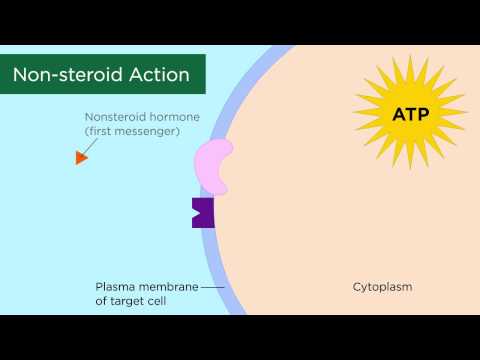
- Peptide Hormones: These guys, like insulin, can’t just slip through membranes. They attach to receptors on the outside of the cell. This triggers a series of reactions inside called signal transduction, kind of like sending a message down a chain of dominoes until you reach the desired outcome.
Now let’s talk about signal transduction. It’s basically how hormone signals translate into actual changes in the body. For example, insulin tells your cells to absorb glucose from your blood for energy. That process involves several steps and even more molecules acting as messengers!
Also, some hormones have what you might call a “double whammy” effect; they can influence multiple processes at once! Take adrenaline (or epinephrine). When you’re in a tight spot—like dodging traffic—it prepares your body for action by increasing heart rate and energy availability while also sharpening focus.
Moreover, understanding hormonal feedback loops is crucial too! Say you eat; insulin levels rise because your blood sugar goes up. And then when blood sugar levels drop after you’ve used that energy, insulin production decreases as well. It’s all about maintaining that delicate balance within your body systems.
It’s also important to note that hormonal imbalances can lead to health issues—think diabetes when insulin isn’t doing its job properly or thyroid problems affecting metabolism.
To sum it all up: hormones are fundamental players in keeping our bodies running smoothly by communicating messages from one part to another; they adjust processes based on needs and circumstances, which is pretty incredible if you think about it!
So next time someone mentions hormones, you’ll know they’re not just talking about teenage mood swings! There’s a whole world of science behind how these little molecules affect everything we do daily—from growth and metabolism to mood regulation!
You know, hormones are like the little messengers in our bodies, zipping around and making sure everything runs smoothly. It’s kind of like being in a giant orchestra where every hormone plays its part to create harmony. Seriously, one minute you’re feeling great, and the next, your mood swings might have you questioning your life choices—all thanks to these tiny biochemical signals.
So, here’s the deal: hormones are produced by glands and then released into the bloodstream. They’re responsible for regulating a ton of processes—think growth, metabolism, mood, and even how your body handles stress. Imagine going through a stressful day at work. When you’re overwhelmed, your body releases cortisol—the stress hormone—that helps you deal with challenges. But too much of it can lead to problems, like anxiety or weight gain. It’s kind of wild how something so small can have such a big impact!
I remember once when I was stressed about an exam—my friends joked that I had “adrenaline” running through my veins all night long because I couldn’t sleep! Adrenaline is another key player in this hormone game; it cranks up your heart rate and prepares you for action (or fight or flight). Looking back now, I wonder how many times hormones turned my nerves into energy or just left me staring at my notes until dawn.
And then there’s insulin! It regulates blood sugar levels like a boss—too little or too much can cause all sorts of trouble. If you’ve ever felt shaky after skipping lunch (like I’ve done more than once), that’s your body signaling that it needs insulin to help manage glucose levels.
What’s interesting is how interconnected everything is; balance is crucial. The thyroid hormones control metabolism—if they’re out of whack, you might find yourself fatigued or gaining weight without really changing anything about what you’re eating or doing.
In the end, understanding hormones feels like unraveling this complex web where each thread influences another. Just picture your emotional highs and lows as dances led by hormonal cues—it really puts things into perspective! It’s like those moments when you feel on top of the world or just down in the dumps—they’re often linked to hormonal changes happening behind the scenes.
So yeah, next time you’re feeling something strongly—be it joy, anger, or even tiredness—take a moment to appreciate these incredible little messengers doing their thing inside you!