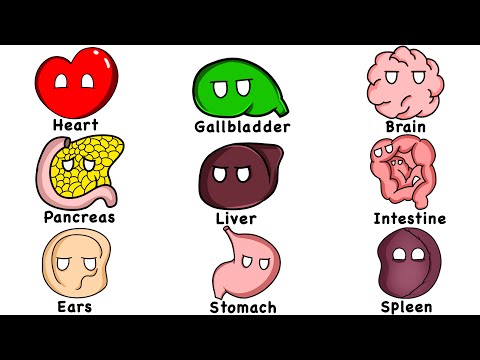
You know that feeling when you realize you have a muscle you never knew existed? Like, one day you’re flexing in the mirror and suddenly, BAM! There’s this little bicep sitting there, just hanging out.
Our upper body is loaded with all sorts of amazing stuff. Seriously! You’ve got your arms, shoulders, chest—there’s so much more than just muscles and skin. It’s like a complex machine just waiting to be understood.
So, let’s take a closer look at the key players in your upper body. We’re talking about organs that do everything from pumping blood to helping you breathe—pretty crucial stuff, right?
Ready to dig in and find out what makes that upper half tick? Cool! Let’s break it down together.
Exploring the Five Major Upper Body Muscle Groups: An Insight into Human Anatomy and Physiology
So, let’s chat about the upper body muscles, shall we? The human body is totally amazing, and our upper body muscle groups play a huge role in all sorts of movements. They allow us to lift things, throw balls, and give high-fives—seriously! It gets even more interesting when you consider how these muscles work together. Here’s a look at the five major upper body muscle groups that keep us moving.
1. Pectorals: These are your chest muscles. They help with pushing and lifting movements. Think about when you push a door open or do a push-up; that’s your pectorals doing their thing! There are two main parts: the *pectoralis major* and *pectoralis minor*. The major is what gives you that big chest look, while the minor is smaller but still pretty essential for shoulder stability.
2. Deltoids: Located on your shoulders, these muscles give them their rounded shape. The deltoids are divided into three parts—anterior (front), lateral (side), and posterior (back). Each part helps with raising your arms in different directions. So when you reach for something on a high shelf? Yep, it’s those deltoids kicking in!
3. Latissimus Dorsi: Often called “lats,” these large muscles spread out across your back like wings! They help with pulling movements, like when you’re rowing a boat or doing pull-ups. You know that feeling of strength when you pull something toward you? That’s your lats working hard!
4. Trapezius: This muscle looks like a triangle and sits across the top of your back and neck area. It helps move your shoulder blades around and supports head movement too. When you shrug your shoulders—like when someone asks if you’ve done your homework? That’s right again—thank you trapezius!
5. Biceps Brachii and Triceps Brachii: These two muscle groups are located in your upper arms; namely, the biceps on the front side and triceps on the back side. When you flex your arm or curl weights? Boom! That’s the biceps showing off! Meanwhile, the triceps are responsible for extending or straightening out your arm.
So there you have it—a quick tour of our upper body muscle groups! It’s really fascinating to think about how they all work together to perform daily activities without us even realizing it sometimes. Next time you’re lifting groceries or waving to a friend, just think about all those muscles working behind the scenes!
Exploring 5 Vital Organs in the Human Body and Their Essential Functions in Science
Sure, let’s chat about some of the vital organs in our upper body and what they do. You know, these organs are essential for keeping us alive and functioning like a well-oiled machine. So, here’s a closer look at five of them.
The Heart
First up is the heart. This little muscle is not just an organ; it’s basically the superstar of your circulatory system! It pumps blood throughout your body, delivering oxygen and nutrients to every cell while also picking up waste products like carbon dioxide. Isn’t that cool? Your heart beats around 100,000 times a day—that’s over 2.5 billion beats in a lifetime! So, taking care of your heart by eating right and exercising is super important.
The Lungs
Next, we have the lungs, which are like two big balloons inside your chest that handle all the heavy lifting when it comes to breathing. They take in oxygen from the air and expel carbon dioxide—pretty vital stuff! When you inhale, oxygen travels down your trachea into your lungs, where tiny little air sacs called alveoli do their magic by transferring that oxygen into your blood. And seriously, without them functioning properly, you’d be gasping for air!
The Brain
Let’s shift our focus to the brain now—arguably one of the most fascinating organs ever! This jelly-like mass controls everything from basic functions like breathing and heartbeat to complex thoughts and emotions. It sends signals through a vast network of nerves to communicate with other parts of your body. Imagine this: when you touch something hot, your brain instinctively tells you to pull back before you even realize what’s happened—talk about fast reflexes!
The Liver
Then we’ve got the liver sitting pretty in our upper body. This organ does so much more than just help digest food; it acts like a chemical factory! It processes everything we eat or drink and breaks down toxins so they can be eliminated safely from our bodies. Plus, it produces bile which helps digest fats—that’s pretty neat if you think about it! The liver can actually regenerate itself if part of it gets damaged; how awesome is that?
The Kidneys
Finally, let’s give some love to the kidneys—those bean-shaped powerhouses that filter waste from our blood. You’ve got two kidneys doing all sorts of important work: they remove excess fluids and balance important minerals in our bodies while producing urine to help get rid of waste materials. They even play around with hormones related to blood pressure regulation!
So yeah, each organ plays a unique role but they’re all interdependent—a bit like teammates on a sports field working together towards victory! Keeping these vital organs healthy should definitely be on everyone’s priority list because without them functioning properly… well, let’s just say things could get messy.
In summary:
- The heart: Pumps blood and keeps everything moving.
- The lungs: Handles oxygen intake and carbon dioxide release.
- The brain: The command center for thoughts and actions.
- The liver: Processes food and detoxifies harmful substances.
- The kidneys: Filters waste from blood & balances fluids.
Those are just five essential organs doing their thing up top! Crazy how seamlessly they all work together—isn’t biology just beautiful?
Exploring the 30 Upper Limbs: A Comprehensive Guide to Human Anatomy
Sure thing! Let’s talk about the upper limbs, which actually includes way more than just your arms. It’s fascinating how everything works together, so let’s break it down in a simple way.
Your Upper Limbs: An Overview
The upper limbs consist of the shoulders, arms, and hands. They play a crucial role in how you interact with the world around you. Think about it—these limbs let you do everything from waving hello to typing on a keyboard. Your upper body has multiple parts working together seamlessly.
1. The Shoulder Girdle
This is where your arms attach to your body. It consists of:
- Clavicle: Also known as the collarbone, this bone helps stabilize your shoulder.
- Scapula: That’s your shoulder blade! It allows for a wide range of arm movements.
Ever tried throwing a ball? The shoulder girdle plays a huge role there!
2. The Arm
Your arm is made up of three main sections:
- Brachium: This is just fancy talk for the upper part of your arm, between the shoulder and elbow.
- Antebrachium: Otherwise known as your forearm! This connects to the wrist.
- The Elbow: A hinge joint that lets you flex and extend your arm.
Think about how much we depend on our elbows when lifting things or even just taking a sip of water.
3. The Hand
Oh man, hands are amazing! They’re super complex and essential for daily tasks.
- Anatomy: Your hand has 27 bones, including those tiny ones in the wrists!
- Nerves: Your hands have plenty of nerve endings making them sensitive to touch.
- Fingers: Each finger has three bones (except for the thumb with two), allowing for gripping and manipulating objects.
You ever tried buttoning up a shirt? That delicate movement involves multiple muscles and joints working together!
The Key Players: Muscles & Tendons
To move these upper limbs effectively, you’ve got lots of muscles at play:
- Biceps Brachii: This muscle bulges out when you flex! It helps with bending your elbow.
- Triceps Brachii: Located at the back of your arm, this one extends your elbow when you push something away.
- Brachialis: Positioned underneath the biceps; it’s also vital for elbow flexion but isn’t as flashy!
These muscles are connected by tendons that anchor them to bones; think of them as links in a chain.
The Nerve Connection
Nerves completely control movement by sending signals from your brain. The **brachial plexus** is the main network responsible for transmitting these impulses to various parts like:
- Your shoulders (deltoids), which help lift arms up;
- Your hands (fingers) to allow gripping;
- Your skin (sensory perception) for feeling temperatures or textures.
Imagine trying to grip something without feeling it—that would be frustrating!
Caring For Your Limbs
It might sound simple, but keeping these limbs healthy is super important—like staying active or avoiding repetitive strain injuries from too much typing or gaming. Stretching can help keep those tendons flexible too!
In short, exploring our upper limbs reveals how intricate and perfectly designed human anatomy is—like gears in a well-oiled machine working together effortlessly every single day! So next time you’re reaching out for something or giving someone a high-five, just remember there’s so much happening behind those movements!
You know, when you think about it, our upper body is like this amazing, intricate system. Seriously, all these parts work together to keep us moving, talking, and just living our day-to-day lives. You’ve got your shoulders, arms, neck, and the whole chest area packed with important stuff. I mean, imagine trying to function without them!
Take the heart for example. It’s this little muscle that works non-stop to pump blood throughout your body. Whenever you feel that rush of excitement or maybe even panic when speaking in front of a crowd — it’s your heart racing away! Or how about your lungs? They’re like two balloons that expand and contract every time you breathe in and out. It’s pretty wild when you realize how many times we take an inhale without even thinking about it.
And don’t get me started on the brain! That jelly-like mass pretty much runs the show up there in your skull. It’s behind every thought you have and all those spontaneous decisions you make (like grabbing a donut instead of an apple). When I was little, I stumbled across this fact that blew my mind: your brain uses more energy than most of your muscles combined while you’re just sitting there thinking! Crazy right?
Also, we can’t forget about those muscles in our upper body; they give us strength and allow us to do things like lift groceries or give a friend a hug when they need it most. Each bicep curl or shoulder stretch contributes not just to physical health but also shapes how we connect with others emotionally.
So yeah, just stepping back for a moment and realizing how everything’s tied together is kind of magical. Every organ has its role. It all harmonizes into this grand performance called life—and we’re all players on that stage! It’s easy to take these functions for granted until something goes awry—then it’s like a wake-up call reminding us to appreciate our bodies more fully.