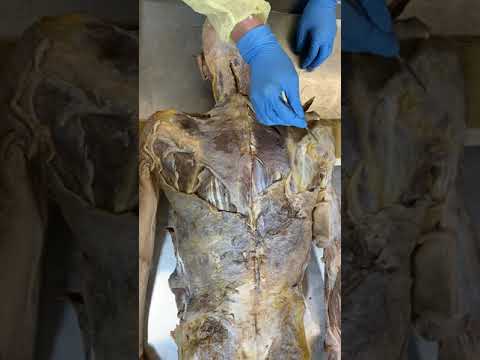
Did you know that when you slouch at your desk, your upper back basically throws a little tantrum? Seriously!
I once caught myself mid-slump, and my back felt like it was staging a protest. I mean, who knew that those muscles could get so dramatic?
But let’s not blame it all on bad posture. Our upper back muscles are kind of the unsung heroes of our bodies. They help us lift things, hold us upright, and yeah—support all those late-night snack runs to the fridge.
So, let’s break down this fascinating part of our anatomy together. Trust me, it’s cooler than it sounds!
Comprehensive Guide to Female Back Muscle Anatomy: Insights from the Field of Anatomy and Physiology
Let’s talk about the female back muscle anatomy, especially focusing on the upper back, which is just so crucial for movement and posture. So, if you think about it, your back isn’t just there to look pretty; it plays a major role in keeping you upright and helping you move around. Pretty essential stuff!
First off, we need to remember that the back is made up of several layers of muscles. We’re mainly looking at the trapezius, rhomboids, and latissimus dorsi. Each one has a specific job, making sure you can do everything from shrugging your shoulders to pulling things towards you.
- Trapezius: This muscle looks like a giant triangle across your upper back and neck. It helps with all sorts of movements like lifting your arms or holding your head up. If you’ve ever felt tense after a long day at work, that might be your traps saying “hello!”
- Rhomboids: These are located beneath the trapezius and are key for retracting your shoulder blades. Think of them as those muscles that help when you’re trying to squeeze something between your shoulder blades. They’re super important for good posture!
- Latissimus Dorsi: Often called “lats,” these muscles are more toward the side but definitely play into upper body strength and movement. They help with actions like pulling or reaching down low or up high. Ever done a pull-up? Yep, those lats are working hard!
This brings us to an important point: while we often think about how strong our arms or legs are, having a strong upper back is equally crucial! Ever tried lifting something heavy with weak back muscles? Not fun! You may end up straining or injuring something.
You know what’s interesting? The way these muscles work together can differ based on physical activities. For example, if someone loves swimming, their lats might be more developed than others’. They’re used all the time in strokes like freestyle or butterfly.
Anecdote time! I remember watching my friend get ready for a hiking trip with her friends once. She was all pumped up but had never really considered her back muscles beforehand. A couple of miles in, she started complaining about her upper back being sore; turns out she had overworked those traps because they weren’t used to all that backpack weight! It’s not just about leg strength; balancing your whole body matters.
Naturally, there’s so much more detail we could jump into when it comes to female anatomy specifics—like how hormonal differences might impact muscle recovery—but keeping it simple is key here.
The bottom line? Those upper back muscles aren’t just background players; they’re essential for daily life and any physical activity you love doing. So take care of them! Stretch them out after workouts and maybe even try some strengthening exercises like rows or pull-downs.
Anatomy of Back Muscles: Comprehensive Guide to Muscle Names and Functions in Human Biology
So, let’s chat about the anatomy of upper back muscles, shall we? You might not think about them much, but these muscles do tons of heavy lifting—literally and figuratively. They help you pull, lift, and even keep your posture in check. Pretty cool, huh?
First off, let’s break it down into some key players in your upper back:
- Trapezius: This big muscle stretches from the base of your skull down to your middle back. It’s like a kite shape! It helps you move your shoulders and supports the weight of your arms. Imagine shrugging or turning your head; you can thank the trapezius for that.
- Rhomboids: There are two rhomboid muscles (major and minor) located between your shoulder blades. Think of them as giving a big hug to your spine. They pull your shoulder blades together, which is super important for a good posture.
- Latissimus Dorsi: Often known as “lats,” these muscles are like big wings on either side of your back. They’re responsible for pulling motions like when you’re rowing a boat or doing pull-ups. Seriously, without them, you’d be struggling to reach for something on a high shelf!
- Levator Scapulae: This muscle runs from the neck down to the shoulder blade and does exactly what its name suggests—it helps lift the scapula (shoulder blade). It’s crucial when you’re raising your arms.
- Serratus Anterior: Although primarily considered a side muscle, it plays an essential role in stabilizing your shoulder blade against the rib cage when you move. Think of it when you throw a punch or reach forward.
Now that we’ve met our upper back buddies, let’s talk about their functions!
The upper back muscles support the head and neck while maintaining balance. If you’ve ever felt tension after sitting hunched over—or even just watching Netflix too long—you know what I’m talking about! The trapezius helps relieve this tension by allowing movement in different directions.
Another key function is stability during movements. When you’re working out or engaging in everyday tasks, these muscles help keep everything aligned so that one wrong move doesn’t lead to injury. For instance, if you’re pushing something heavy or lifting weights at the gym… well, gotta keep those lats firing!
Also, let’s not forget about how they play into breathing! Yup—those lats actually assist during deep breaths by expanding the rib cage.
Now imagine trying to get through life without being able to use these muscles effectively—ugh! Everyday activities become daunting tasks without that strength and stability.
If we get into some more detail about how they all work together: think of a team working towards a goal; each muscle has its own role but relies on one another to function properly. It’s teamwork at its finest!
In summary:
- The trapezius helps with shoulder movements.
- The rhomboids facilitate scapular retraction (pulling together).
- Lats are key for pulling movements.
- The levator scapulae aids in lifting shoulders.
- Serratus anterior stabilizes during arm movements.
So next time you’re at the gym or just moving around doing daily stuff, give some love to those upper back muscles! They’re silently supporting you every single step of the way—and let’s be honest: they deserve it!
Exploring the Deep Muscles of the Back: Anatomy, Function, and Implications in Human Biomechanics
The deep muscles of your back are like the unsung heroes of your body. You might not see them, but they play a huge role in keeping you upright and moving smoothly. Let’s break it down, shall we?
Anatomy Basics
So, these deep muscles include layers that are nestled close to your spine and ribs. They can be a bit tricky to spot since they’re deeper than those big guys like the latissimus dorsi that everyone knows about. Here’s a taste of what’s going on back there:
- Multifidus: This one’s a real multitasker! It helps stabilize your spine and keep it aligned.
- Rotatores: These little guys assist with rotating your vertebrae. Think of them as tiny twisty muscly troops!
- Erector Spinae: A group that runs along each side of the spine; they help you stand up straight and extend your back.
- Interspinales: These short muscles sit between the spinal vertebrae, playing their part in helping with extension and stability.
Each muscle has its own job but works together seamlessly.
Functions of Deep Back Muscles
Alright, let’s chat about function. The deep back muscles contribute to so much more than just looking cool at the gym (though flexing those muscles is nice too). They primarily:
– **Maintain posture:** You know how sometimes you find yourself slouching at your desk? Those deep muscles fight against that urge.
– **Stabilize movement:** Whether you’re picking up groceries or doing yoga, they help control how your body moves.
– **Facilitate rotation:** If you’ve ever turned quickly to grab something behind you and felt that twist in your back? Well, that’s these guys doing their job!
It’s pretty wild how such small muscles have such significant effects on our movements!
Implications in Human Biomechanics
Now, here’s where it gets really interesting. The way these deep back muscles function can affect everything from athletic performance to daily activities. If they’re weak or tight, things get messy. For instance:
- If you’re an athlete looking to improve speed or agility, strong deep back muscles can give you an edge by enhancing stabilization.
- Poor function may lead to injuries or chronic pain—ever experienced that nagging ache after sitting too long? That’s often related to these muscle teams being overworked.
- Their health even impacts balance; falling becomes riskier if these stabilizers aren’t in top shape!
So yeah, taking care of those deeper layers is essential for overall well-being.
The Takeaway
In summary, exploring the deep muscles of the back reveals just how complex and vital our bodies are! From keeping us upright to helping us move efficiently, they’re seriously important players in our body’s orchestra. So next time you’re stretching or hitting the gym, spare a thought for those less-visible warriors holding everything together!
So, let’s chat about upper back muscles, shall we? You know those days when you feel like your shoulders are all knotted up? That’s your upper back muscles having a moment. They play a huge role in how we move and how we feel, but do you really know what’s going on back there?
The upper back mainly consists of a few key players, like the trapezius, rhomboids, and the latissimus dorsi. The trapezius is that big kite-shaped muscle that runs from the base of your skull down to your middle back. It’s like the superhero of your neck and shoulders. When it’s tight—hello tension headaches! If you’ve ever had one of those annoying neck aches from staring at a screen too long or from stress, yep, that’s your trapezius saying “Help me!”
Then there are the rhomboids—these little guys sit between your shoulder blades. They help pull your shoulder blades together, which is super important for good posture. You know when someone tells you to “sit up straight”? Well, they’re likely thinking about these muscles working their magic. I remember my grandmother always reminding me to stand tall; she knew what she was talking about!
And don’t forget about the latissimus dorsi! It’s this big muscle that stretches down the sides of your back. It helps with everything from lifting things above your head to pulling stuff toward you. Think about how satisfying it feels when you reach for something on a high shelf and manage to grab it with ease—that’s teamwork happening among these muscles.
Now let’s get a bit emotional here for a sec—you ever felt like you wanted to just stretch out after a long day? That instinct actually connects to how these muscles are structured—they really crave movement and being elongated after being in one position for too long.
Speaking of movement, engaging these muscles can totally transform how you carry yourself throughout life. When they’re strong and flexible? Everything feels smoother but neglect them for too long, and it’s game over; you’re hunched over in front of that computer again.
So next time you’re feeling all sorts of tension up there or getting ready for some physical activity—maybe even just an afternoon walk—take a moment to appreciate what’s happening in your upper back. The more we understand our bodies, even in small ways like this, allows us to live with more awareness. And honestly? That’s kind of empowering if you think about it!