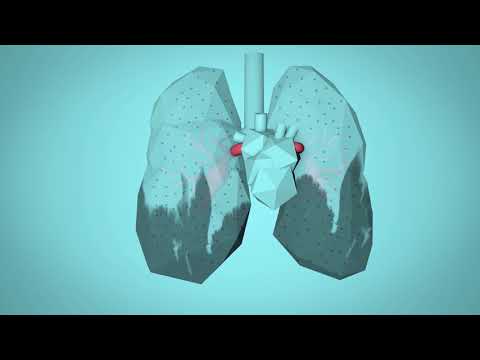
You know those days when you step outside and it feels like you’re breathing in a cloud of mystery? It’s like, what exactly am I inhaling?
Well, air pollution is no joke. There are actually six key culprits causing trouble for our health.
I remember this one time, I was at a park and noticed a group of kids playing soccer. The sun was shining, and everything seemed great until someone sneezed. And just like that, the fun shifted to “uh-oh.” It reminded me how much our environment affects us—especially the air we breathe.
So, let’s take a closer look at these six pollutants that could be lurking in your next breath. Seriously, understanding them can be a game-changer!
Exploring the Six Significant Effects of Air Pollution on Human Health and the Environment
Air pollution is a serious issue, and it’s not just something that affects the environment; it has real, tangible effects on our health too. When we talk about air pollution, we’re usually referring to a mix of certain harmful substances in the air. These are known as key pollutants. Let’s break down six significant effects of air pollution on human health and the environment.
Respiratory Problems
So, you step outside and take a deep breath, but what if that breath is filled with toxins? That’s where air pollution comes in. Pollutants like particulate matter (PM) can irritate your lungs. Folks with asthma or other respiratory conditions often find their symptoms worsening due to polluted air. Even if you’re healthy, long-term exposure can lead to reduced lung function.
Cardiovascular Issues
It turns out that air pollution isn’t just bad for your lungs; it can mess with your heart too! Pollutants can cause inflammation and stress on your cardiovascular system. Studies show that people living in highly polluted areas have higher rates of heart attacks and strokes. Yikes! It’s scary to think about how something so invisible can affect such a crucial part of your body.
Cancer Risk
Ever hear someone say smoke is bad for you? Well, they aren’t wrong! Certain pollutants like Benzene, often found in vehicle emissions, are classified as carcinogens. Long-term exposure increases the risk of developing cancers like leukemia. It’s one of those things that really drives home the importance of clean air.
Nervous System Effects
You may have thought pollution just messes with breathing or heart health, but it goes further than that. Exposure to heavy metals like lead (which can be present in polluted air) is linked to developmental issues in children and problems with memory and learning. It’s wild how something outside can impact brain functions!
Ecosystem Damage
Now let’s step outside human health for a second. Air pollution doesn’t just affect us; it severely impacts ecosystems too! For instance, acid rain forms when pollutants like sulfur dioxide mix with water vapor in the atmosphere. This harms plants, aquatic life, and even buildings over time because of erosion.
Climate Change
Finally, let’s not forget about climate change! Certain pollutants contribute to greenhouse gases which trap heat in our atmosphere. Think about smog—it’s not just an ugly sight; it’s a sign that our air quality isn’t great and it’s also linked to global warming tendencies.
To sum it all up: Air pollution impacts us directly through respiratory issues, heart problems, cancer risks, nervous system effects while also harming our ecosystems and contributing to climate change. It really makes you think twice about how essential clean air is for everyone—humans and nature alike!
Understanding the 6 Criteria Air Pollutants: Examples and Sources Explained
Alright, let’s get into it! Air quality is super important, right? The six criteria air pollutants are the big players in this drama. They are identified by the EPA because they affect health and the environment. So, what are these culprits? Let’s break them down.
- Ground-level Ozone (O3): This one forms when sunlight hits pollutants from cars and factories. Imagine a summer day when the air feels thick and hard to breathe. That’s ozone at work! It can cause coughing and even make asthma worse.
- Particulate Matter (PM10 and PM2.5): These tiny bits of dust, soot, or smoke can get into your lungs. PM10 is like those bigger particles that come from construction sites or unpaved roads, while PM2.5 is even smaller—think smoke from fires or vehicle emissions. And guess what? These little guys can actually travel deep into your respiratory system.
- Carbon Monoxide (CO): This one is a sneaky gas produced when we burn fossil fuels, like in cars or heating systems. It can really mess with your ability to take in oxygen if you’re exposed to high levels—kind of like breathing through a straw!
- Sulfur Dioxide (SO2): Mostly coming from burning fossil fuels for electricity, this gas has a sharp smell and can irritate your throat and lungs. Remember those old power plants? That’s where most of this stuff used to come from.
- Nitrogen Dioxide (NO2): You’ll find this bad boy hanging out near highways since it comes from vehicles too. It contributes to smog and can lead to respiratory diseases over time, especially for kids or anyone with pre-existing conditions.
- Amonia (NH3): This isn’t just something you clean with! Ammonia mostly comes from agricultural sources like fertilizers and livestock waste. In high amounts, it can react with other pollutants to form more dangerous ones.
Now that we know who they are, it’s crucial how these pollutants affect our day-to-day lives. For instance, think about walking outside on a hot day when there’s an ozone alert—you might feel that heavy sensation in your chest making you want to stay indoors!
You know what really hits home though? I remember one summer my friend had a terrible asthma attack during a heatwave because of high ozone levels. Watching them struggle made me realize how real these pollution issues are for many people.
The thing is, while some sources of these pollutants seem normal—like car exhaust or smoke—we have to keep in mind that they’re hazardous too. If we understand where they come from and how they affect us, we can take steps towards cleaner air!
Understanding the 7 Criteria Air Pollutants: Key Environmental Challenges in Atmospheric Science
When we talk about air pollution, there are some major players in the game. These are known as the seven criteria air pollutants. They’re like the usual suspects when it comes to air quality issues. Let’s dig into what they are and why they matter for us and the planet.
The Environmental Protection Agency (EPA) has identified these seven pollutants because they pose significant risks to human health and the environment. They include:
- Particulate Matter (PM10 and PM2.5): These tiny particles can be smoke, dust, or even liquid droplets. The numbers refer to their size in micrometers—so PM10 is 10 micrometers or smaller, while PM2.5 is even finer at 2.5 micrometers. Think about it this way: PM2.5 is so small that it can get deep into your lungs! Long-term exposure can lead to serious health issues like asthma and heart diseases.
- Nitrogen Dioxide (NO2): This reddish-brown gas forms from burning fossil fuels—think cars, power plants, and even wildfires. It can irritate your lungs and lower your resistance to respiratory infections. You ever felt that nasty tickle in your throat after a long drive through traffic? Yep, that could be NO2 at work.
- Sulfur Dioxide (SO2): Produced mainly from burning coal or oil at power plants or during industrial processes, this gas can cause acid rain! It’s also a major irritant for our nose and throat—like breathing in pepper sprayed right up your nostrils.
- Carbon Monoxide (CO): This colorless gas comes from incomplete combustion of fossil fuels—think of a car engine not burning fuel completely. If too much CO gets into our bloodstream, it binds with hemoglobin in red blood cells instead of oxygen, which leads to symptoms like headaches or dizziness.
- Ozone (O3): Here’s where it gets interesting—while ozone high up in the atmosphere protects us from harmful UV rays, ground-level ozone is a big no-no! It forms when sunlight hits pollutants like NOx and VOCs (volatile organic compounds). Breathing it in can make you feel wheezy after outdoor activities on hot days.
- Lead: Once commonly found in gasoline paints, lead levels have decreased dramatically due to regulations. But those tiny amounts still linger from past exposure—and they can hit kids hard causing developmental issues and cognitive impairments.
- Volatile Organic Compounds (VOCs): These aren’t just any compounds; they’re chemicals that easily evaporate into the air from products like paints or cleaning supplies. Some VOCs can cause eye irritation while others may lead to long-term health problems.
The effects of these pollutants on human health are pretty alarming. For example, I remember reading about an area near a busy highway where kids were found to have higher rates of asthma than those living far away from traffic noise and emissions. That’s not just numbers; that’s real impact on families!
To tackle these challenges, various regulations aim to limit emissions from industries and vehicles while promoting cleaner technologies. Continued research helps track pollution levels so that we get a clearer picture of how we’re doing as a society when it comes to keeping our air clean.
So there you have it! The seven criteria air pollutants play significant roles in public health discussions daily—you’ve probably encountered some without even realizing it! Understanding them helps us all make more informed choices towards cleaner air for generations ahead.
You know, air pollution isn’t just some distant problem that only affects industrial cities or far-off places. It’s like this invisible cloud hanging over us all, and it can really mess with our health in ways we might not even realize. Let’s chat about six key air pollutants and how they can impact you.
Firstly, there’s particulate matter, or PM for short. These tiny bits can come from car exhaust or even things like wildfires. They’re so small that they can sneak into your lungs and bloodstream without you noticing. Just thinking about inhaling something that could cause heart attacks or respiratory issues? Yikes!
Then we have nitrogen dioxide (NO2), which is often linked to traffic pollution. If you’ve ever felt that tightness in your chest after a long day near busy roads, it could be due to this guy. Over time, breathing in NO2 can make asthma worse, especially for kids. It really hits home when you think about how those little ones are more susceptible to these dangers.
Ozone is another big player here. And no, I’m not talking about the good ozone layer protecting us from the sun but rather ground-level ozone created from pollutants reacting in sunlight. This one can lead to some serious breathing problems and may even mess with your immune system if you’re exposed for too long.
Next up is sulfur dioxide (SO2), mainly coming from power plants and vehicles that burn fossil fuels. You might not feel the effects right away, but it can irritate your lungs and throat—definitely not a fun time! Imagine being on a hike but feeling like every breath is hard because of what you’re inhaling instead of fresh mountain air.
Carbon monoxide (CO) sneaks into the picture too. This colorless gas comes from burning fossil fuels and definitely doesn’t play nice with the body—it binds with hemoglobin in your blood way better than oxygen does! So yeah, if you’re exposed to high levels? That could lead to real serious consequences.
Finally, let’s talk about volatile organic compounds (VOCs). These are sneaky chemicals found in everyday products like paints and cleaners. They evaporate into the air and contribute to indoor pollution levels as well as outdoor ones! Breathing them in might give you headaches or dizziness—super unpleasant experiences for sure.
Reflecting on all this makes me wonder: how often do we consider what we breathe in every day? It really hits home when we think of our families and friends who might be affected by these pollutants without even realizing it! Staying informed helps us make better choices—not just for ourselves but also for future generations who deserve cleaner air to breathe.