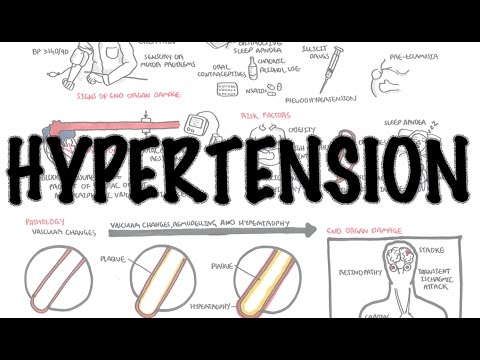
You ever notice how when you stress over something, your heart starts racing? Like, if you’re trying to impress someone on a first date or, I don’t know, running late for work? Well, that’s your blood pressure kicking into high gear.
Now imagine living like that all the time. Yikes, right? That’s where primary hypertension comes in. It’s sneaky! You might not even feel it until it causes some serious issues.
Basically, hypertension is like that one friend who crashes the party uninvited and just won’t leave. It messes with your body in all sorts of ways and can lead to some pretty heavy consequences. So let’s chat about what really goes down when your blood pressure takes a permanent vacation at the high end of the scale.
Comprehensive Overview of Hypertension Pathophysiology: Downloadable PDF Resource for Medical and Health Science Students
Sure, let’s break down the pathophysiology of hypertension, specifically primary hypertension. So, hypertension is basically when your blood pressure is consistently higher than normal. It can sneak up on you, and often people don’t even know they have it until it causes problems.
Now, primary hypertension doesn’t have a single identifiable cause. Instead, it’s like a collection of different issues all stacking up. Think of it as a party where everyone has shown up uninvited!
To really understand this condition, let’s look at the key players involved:
- Genetic Factors: Some folks just have it in their DNA. If your family has a history of high blood pressure, you might be more likely to develop it yourself.
- Environmental Influences: Lifestyle choices play a huge role. Eating too much salt? Sitting too long? These habits can contribute to developing hypertension.
- Vascular Changes: Over time, your arteries can thicken and become less flexible. This stiffening leads to increased resistance against the blood flow—kind of like squeezing a garden hose.
- Renal Mechanisms: Your kidneys manage fluid balance and blood pressure too. If they aren’t working right, they might hold onto too much sodium or water, raising blood pressure.
- Neurohormonal Activation: Your body has systems that regulate blood pressure via hormones and nerve signals. If these systems go haywire, you could end up with elevated pressures.
Imagine this: You’re at home chilling out when suddenly your noisy neighbor plays music way too loud—now your peaceful night is disturbed! That increased noise is similar to how various factors ramp up your blood pressure.
So what are some mechanisms leading to primary hypertension? Well:
- Sodium Retention: Extra salt means extra water in the bloodstream. More fluid equals higher pressure!
- Increased Cardiac Output: Your heart pumps more blood if it’s working harder than usual; that amps up the blood pressure.
- Atherosclerosis: When plaque builds up in arteries over time, it narrows them down and makes them less flexible—which isn’t good news for blood flow.
Oh! And let’s not forget about its effects on the body! Hypertension can lead to some serious complications:
- Cognitive Impairment: Too much pressure can damage small vessels in the brain—hello cognitive decline!
- CVD Risks: High blood pressure increases your chances of heart disease and stroke significantly.
- Kidney Damage: It messes with how well your kidneys filter waste products from the blood.
I remember chatting with my friend whose dad had high blood pressure for years without realizing it. One day he collapsed during a jog—it turned out his hypertension led to something called a hypertensive emergency! That was pretty harrowing for all of us.
Understanding primary hypertension is about connecting those dots between lifestyle choices and health outcomes. So keep an eye on those numbers; they’re more important than you think!
Understanding the Pathophysiology of Hypertension: A Comprehensive PPT Guide
Well, let’s chat about hypertension and its pathophysiology. You might be wondering, what even is hypertension? Simply put, it’s when your blood pressure is consistently too high. Like, when your heart pumps blood through your arteries at a higher pressure than normal. So, let’s break down how that happens!
First off, we gotta look at **primary hypertension**, which is the most common type. The thing is, it doesn’t have a clear single cause. It’s influenced by a mix of factors. And here are some key players to consider:
- Genetics: If your family has a history of high blood pressure, you might be more likely to deal with it too.
- Age: As you get older, the chances of developing hypertension increase.
- Lifestyle: Eating habits can make a huge difference. Diets high in salt can lead to fluid retention which raises blood pressure.
- Physical activity: Not moving enough? It can contribute to weight gain and higher blood pressure levels.
Now let’s dive a little deeper into **what happens in your body** when you have high blood pressure. It’s pretty wild how everything connects.
When your arteries are constantly under stress from high pressure, they begin to thicken and stiffen over time—kind of like a garden hose that gets worn out from too much water flowing through it! This thickening makes it harder for blood to flow freely. You following me?
Also, something you should know is that this condition can lead to bigger problems down the line. For example:
- Heart Disease: Your heart has to work extra hard against that high pressure which can lead to enlarged heart muscles and heart failure.
- Kidney Damage: The kidneys filter out waste from the blood; with hypertension messing things up, they might not function properly.
- Vision Loss: High blood pressure can damage the eyes’ vessels leading to vision problems.
Talking about the mechanisms behind all this gets interesting! There are several systems at play in our bodies that help regulate blood flow and pressure:
- The Renin-Angiotensin-Aldosterone System (RAAS): This system helps control your body’s blood volume and systemic vascular resistance.It basically regulates how fluid balances work.
- The Sympathetic Nervous System (SNS): This part controls your body’s ‘fight or flight’ response and can tighten up those arteries when it gets activated.
A while back I had a friend whose doctor mentioned they had hypertension after some routine tests. At first, my friend didn’t think much of it until they learned how serious it could get if left untreated! They had to change their diet and add exercise into their routine. Now? They say they feel way more energized!
So yeah, understanding the pathophysiology of hypertension isn’t just about knowing what goes on inside us; it really shows how interconnected everything is in our bodies—from genetics down to lifestyle choices.
Basically–it all matters! Keeping an eye on your health can help prevent complications later on. So next time you’re thinking about what you eat or if you should hit the gym instead of binge-watching that show—just remember: every little step counts towards maintaining good blood pressure!
Understanding the Pathophysiology of Hypertension: Key Insights and Visualizations
Hypertension, or high blood pressure, is a silent troublemaker. You might not feel it, but it can be wreaking havoc on your body. In simple terms, hypertension means your heart has to pump harder than normal to push blood through your arteries. This extra effort can lead to serious issues over time.
The pathophysiology of hypertension is all about understanding the underlying mechanisms causing this condition. For **primary hypertension**, which is the most common type, there isn’t a single cause you can point to. Instead, think of it as a mix of factors working together. Genetics plays a big role—if your parents had high blood pressure, chances are you might also deal with it.
But it’s not just about family history. Environmental factors matter too. Stress, diet high in salt, lack of exercise—you name it! All these things can contribute to the problem. When your body faces too much stress or too much salt in your diet, something interesting happens: your blood vessels narrow and become less flexible. This increases resistance against which the heart has to pump!
Also, our bodies produce certain hormones that help regulate blood pressure. One of them is renin. It gets released by your kidneys when they sense low blood flow; think of renin like a signal flare saying “hey! We need more pressure here!” The kidneys respond by retaining sodium and water, which increases blood volume and ultimately raises blood pressure.
Another player in this game is angiotensin II. This hormone not only narrows blood vessels but also triggers the release of aldosterone—a hormone that makes you retain sodium and lose potassium. So yeah, talk about a double whammy!
Moreover, let’s not forget about inflammation and oxidative stress—you know? When cells don’t function properly due to too many free radicals hanging around—they can mess with how our blood vessels work too.
So what happens over time? Well:
- Your heart muscle gets thicker as it works harder.
- The arteries can get damaged because they’re under constant strain.
- You risk serious conditions like heart attacks or strokes.
Seriously scary stuff!
In terms of visualizing all this complexity? Think of it like watching a tug-of-war on a tightrope where both sides are constantly pulling harder than before—eventually something’s gonna give!
Taking care of yourself by keeping an eye on stress levels and focusing on healthy eating habits can make all the difference. So remember; understanding what’s happening inside your body helps you take charge and maybe even dodge some bullets down the line!
Alright, so let’s chat about something that’s kind of everywhere but often flies under the radar: primary hypertension, or what many call high blood pressure. It’s like this sneaky little devil that can hang around without you even knowing it.
Imagine you’re out with friends, enjoying a sunny day at the park. You’re laughing, munching on snacks, and everything feels perfect until someone suddenly collapses because of heart issues. That moment—it hits hard. You realize how vital it is to pay attention to health, even when we’re having fun. This is why understanding primary hypertension matters.
Now, when we talk about pathophysiology—yeah, that’s a mouthful—it’s really just a fancy way of saying “how things go wrong in our body.” With primary hypertension, there’s no clear cause like there might be with secondary hypertension (which can be triggered by other diseases). Instead, think of it as your body having a bit of an identity crisis.
So let’s break it down. Your bloodstream is like a highway for your blood cells, cruising along pretty comfortably most of the time. But when your blood pressure rises consistently, it’s like putting up roadblocks or speed bumps—nobody likes those! The heart has to work harder to get the blood where it needs to go. Over time, this extra effort can damage arteries and make them stiffer (not good), which then leads to more issues like heart disease or strokes.
What gets tricky here is that many factors are at play: genetics (yep, thanks Mom and Dad), lifestyle choices (like that extra slice of pizza you just couldn’t resist), and even emotional stress can pile on and contribute to the problem. It’s almost like this tangled web where one thing leads to another—stress makes you eat junk food; junk food makes your arteries sad; sad arteries mean higher blood pressure…you see where I’m going?
It might not seem urgent when you’re young or feeling fine—but honestly? It pays off to keep an eye on your blood pressure numbers because those little changes now can save major headaches later (pun intended!). Plus, being informed helps you make better choices—like deciding whether to hit the gym instead of binge-watching another series on Netflix.
So yeah…primary hypertension may sound technical and boring at first glance but really? It’s super personal and all too relatable. Taking care of our bodies isn’t just science; it’s about living fully—and who wouldn’t want that? Remembering the way our hearts work helps us appreciate life even more in all its messiness!