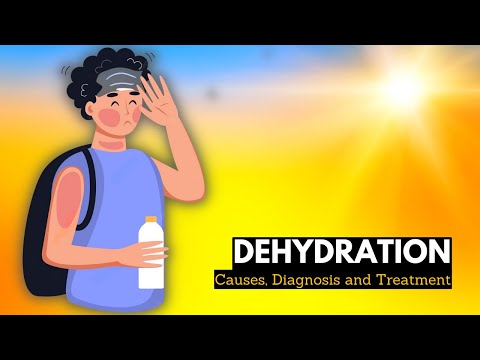
So, picture this: you’re at the beach, right? Sun blazing down, kids building sandcastles, and you’ve just finished an ice-cold drink. But then it hits you—oops! You forgot to chug enough water. Suddenly, your mouth feels like a desert and that headache starts creeping in.
You might think, “It’s just dehydration, no big deal.” But like, it actually is a big deal! Dehydration’s not only annoying; it can mess with your body in some pretty serious ways. Seriously, your organs don’t love when there’s not enough water to do their thing.
So let’s spill the tea on what happens when you don’t keep that hydration game strong. It’s gonna be a wild ride through how dehydration plays tricks on your body and what you can do about it! Ready? Here we go.
Understanding the Physiological Effects of Dehydration: Insights from Human Biology
Dehydration is, like, that thing that happens when your body loses more fluids than it takes in. You know, water is essential for almost every single function inside you. It helps with everything from digestion to temperature regulation. So when you’re not getting enough of it, your body starts to feel the pinch.
Physiological effects of dehydration can hit you in different ways. At first, you might just feel thirsty or a bit tired. But as it gets worse, the impacts can become serious.
- Fluid Balance: Your body needs a delicate balance of fluids. When dehydration sets in, this balance gets disrupted. For instance, think about your blood volume; it starts shrinking because there’s less water in your system.
- Electrolyte Imbalance: Water helps maintain electrolytes—like sodium and potassium—that are vital for muscle function and nerve signaling. When you’re dehydrated, these get thrown off-balance, leading to cramps or muscle weakness.
- Cognitive Effects: Not drinking enough water can impact your brain too! You might feel foggy or have trouble concentrating. Some studies even suggest that dehydration can lead to mood swings or irritability.
- Kidney Function: The kidneys are like filters for your blood, removing toxins and waste. Dehydration makes them work extra hard and could lead to kidney stones or even kidney failure if things get really bad.
- Skin Health: Ever notice how your skin looks when you’re well-hydrated? Awesome! Dehydration makes it lose its glow and elasticity. It might even cause dryness or flakiness!
There’s a story I remember about my friend who went hiking without bringing enough water. Halfway through the trail, he started feeling dizzy and confused—it was wild! Thankfully we had some extra bottles with us and he recovered pretty quickly after rehydrating.
The body’s response to dehydration isn’t just limited to physical symptoms either; there’s also a biological side to consider! Your brain kicks into gear immediately when it senses low fluid levels by triggering thirst mechanisms. Hormones like antidiuretic hormone (ADH) come into play too, signaling the kidneys to conserve water.
Naturally, staying hydrated is key here! Drinking fluids regularly throughout the day helps maintain that precious fluid balance in your body—and you don’t have to wait until you’re thirsty! So next time you’re feeling drained after a workout or on a hot day, just remember: keeping yourself topped up with water is way more important than you might think!
The takeaway? Dehydration affects multiple systems in our bodies—from our muscles and brain down to our skin—and ignoring it can lead to some serious issues down the road.
Understanding Physiological Changes During Dehydration: Insights from Human Biology
Dehydration is one of those things we often underestimate, but it can really mess with our bodies. You know, when you’ve been out in the sun too long or forgot to drink water during a busy day? That feeling of fatigue or headache is not just annoying; it’s your body sending out a distress signal.
So, let’s break this down. When you become dehydrated, basically, your body loses more fluids than it takes in. This can happen for various reasons: maybe you’re sweating a lot, or you’ve been throwing up or have diarrhea. And when you’re short on fluids, even the tiniest things start to change in how your body functions.
First off, water makes up about 60% of an adult’s body weight. That’s a significant chunk! It’s involved in pretty much everything—regulating temperature, transporting nutrients, and even getting rid of waste. So if you’re low on water, you’re looking at potential issues in all these areas.
One major physiological change during dehydration involves blood volume. When you’re dehydrated, your blood becomes thicker. This means your heart has to work a bit harder to pump that thickened blood around. Ever felt your heart racing after exercising without enough water? That’s why! Your body is trying to keep everything functioning smoothly.
Also noteworthy is the effect on kidney function. Your kidneys are like little filters for your blood—they help balance salt and minerals too. When dehydrated, they conserve as much water as possible, which can lead to less urine output and concentrated urine. If you notice darker urine—yep, that’s a clear sign!
Then there’s electrolytes—those essential minerals like sodium and potassium that help with nerve function and muscle contractions. During dehydration, the balance of these electrolytes can get thrown off. That might be why you feel weak or crampy after sweating without rehydrating—your muscles are literally crying out for balance.
And let’s talk about cognition because this one gets personal sometimes! Studies have shown that mild dehydration can impair cognitive functions like concentration and mood. Ever tried studying for an exam while parched? It’s rough! Your brain needs hydration to keep firing on all cylinders.
To sum it up:
- Dehydration alters blood volume, making your heart work harder.
- Kidneys conserve water, leading to less frequent bathroom breaks.
- Electrolyte imbalance affects muscle function.
- Cognitive function declines with dehydration, impacting focus and mood.
So yeah, staying hydrated isn’t just about quenching thirst; it really affects how well everything runs inside you! Keeping some water handy might seem simple but it makes a world of difference when it comes to feeling fresh and energized throughout the day. Just remember: sip regularly instead of chugging later on—you’ll thank yourself later!
Understanding the Pathophysiology of Dehydration: Implications for Health and Disease
Dehydration is one of those sneaky things that can mess with your body big time. You might think, “Oh, I’m just a little thirsty,” but it’s more than that. When your body loses more fluids than it takes in, it can lead to all sorts of issues. Let’s break down what dehydration actually does inside you.
First off, let’s chat about what dehydration really is. You know when you sweat like crazy on a hot day or maybe after a long workout? That’s your body losing water. If you don’t replace it, the fluid levels in your body drop. This isn’t just about thirst – your cells need water to function smoothly.
Now, here’s where things get interesting. When you’re dehydrated, your blood volume decreases. Think of blood as a transport system for everything important—nutrients, oxygen, even waste products. With less fluid in the system, the heart has to work harder to pump blood around. It makes sense that this could lead to dizziness or fatigue since your organs aren’t getting what they need.
Next up is electrolyte imbalance. Electrolytes are essential minerals like sodium and potassium that help control nerve and muscle function. When you’re dehydrated, these electrolytes can become unbalanced. Imagine being at a party where everyone suddenly starts leaving—that’s basically what happens in your body when electrolytes are low!
- Dizziness: Your brain doesn’t love being under-hydrated and might give you some lightheaded signals.
- Mood swings: Yup! Dehydration can even mess with how you feel emotionally.
- Kidney issues: Your kidneys work overtime to conserve water when you’re dehydrated, which can lead to kidney stones or infections down the line.
This brings us to the kidneys playing referee in this game of hydration. They filter out waste and excess substances from your blood but need adequate water to do their job well. So if dehydration sets in, they start holding onto whatever water they can find—this might lead to concentrated urine (hello darker pee!). You know stuff is serious when your pee starts resembling apple juice!
A funny story comes to mind: I once went hiking on a scorching summer day without enough water because I thought I’d be fine just taking sips here and there. By the end of the hike, I felt dizzy and exhausted; everything was spinning! That was my personal wake-up call about hydration—and trust me; I filled my water bottle before every adventure since then!
If dehydration gets severe enough, it can influence other systems too—like cardiovascular health or even digestion! Your gut needs water for digestion; without it, issues like constipation could pop up faster than you’d think.
The takeaway? Hydration is key! Regularly drinking fluids helps keep everything running well—from keeping energy levels steady to protecting vital organs like your kidneys and heart. So next time you’re feeling parched or moody for no reason at all—remember that little sips throughout the day work wonders!
Your health overall benefits from staying hydrated—not only now but also as you age! So keep chugging that water; it’s easier than dealing with all these complications later on.
So, let’s chat about dehydration. It’s one of those things that we often don’t think much about until it hits us hard. Picture this: you’re out having a great time, maybe hiking or playing sports, and before you know it, you’re feeling dizzy or your mouth is like the Sahara Desert. That’s your body sending out a distress signal.
At its core, dehydration happens when your body loses more fluids than it takes in. Sounds simple, right? But the effects on your body can be pretty complex. You see, our bodies are made up of around 60% water—yup, that’s a lot! Water plays a crucial role in almost every function; it helps in digestion, keeps your skin looking fresh, and even cushions your joints. When we lose too much fluid—whether due to sweating, vomiting or not drinking enough—things start to get messy.
You might feel tired because dehydration impacts blood volume. Less blood means less oxygen getting to your muscles and organs. Ever tried to run on empty? Not fun! Your heart has to work overtime to pump that reduced volume around your body. And if you’ve ever felt any headaches during those times? That’s often linked to dehydration too. Your brain literally shrinks a bit when dehydrated—it’s kind of wild when you think about it!
And let’s not forget about electrolytes. They’re these little ions that help with nerve and muscle function—basically signaling everything in your body to do its job right. When you’re dehydrated, especially after sweating a lot, you lose those important electrolytes like sodium and potassium—and then things can get really tricky.
I remember this one summer during college when I went camping with friends. We were having so much fun kayaking under the sun that we forgot to drink water! By noon, I was feeling lightheaded and had this awful headache threatening to ruin our adventure. My buddy noticed I was lagging behind and forced me to drink some water mixed with an electrolyte packet he had stashed away (thank goodness for those!). It took just a few minutes for me to feel human again; I still cringe thinking how close I was to really messing up my day.
In short: dehydration isn’t just thirst; it’s this domino effect that can mess with pretty much everything inside you—from energy levels and cognitive function all the way down to how well your organs can do their thing. So next time you’re out there enjoying life under the sun or even just chilling at home, take a second every now and then to sip some water—you’ll thank yourself later!