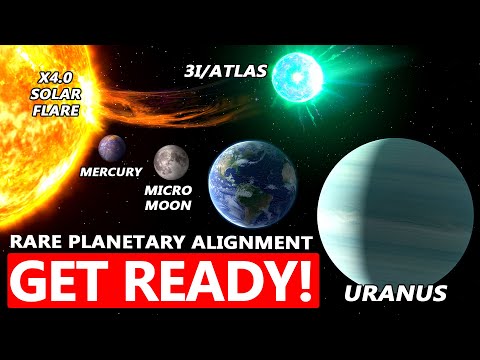
You know what’s wild? Sometimes, the sun throws tantrums! Like, one moment it’s chilling, and the next, it’s blasting energy our way. Solar weather can seriously mess with the stuff happening right here on Earth.
Picture this: you’re having a regular Tuesday, and suddenly your phone glitches. Maybe your GPS goes bonkers or your favorite radio station cuts out. You might brush it off as tech drama—but guess what? It could just be some solar flare vibes affecting our planet!
So yeah, let’s chat about solar weather and why you should totally care about these solar mood swings. It’s more than just a light show in the sky; it can really affect life down here! Buckle up for some cosmic updates—you won’t want to miss this ride!
Real-Time Solar Weather Updates: Impact on Earth’s Environment Today
Some people might not think about it, but the sun has a really big effect on Earth, almost like an invisible hand shaping our environment. The thing is, solar weather—the activity happening on and around the sun—can send waves of energy and particles racing towards our planet. This happens all the time, so let’s break down how these solar events influence life as we know it.
Solar weather refers to events like solar flares and coronal mass ejections (CMEs). You might be wondering what those fancy terms mean. Well, a **solar flare** is when there’s an explosion on the sun’s surface that releases a ton of energy in the form of light and radiation. CMEs are larger eruptions that eject a massive amount of plasma and magnetic field into space. When these reach Earth, they can cause some serious effects.
Now, if that solar stuff gets to Earth when our atmosphere is thick and protective, we usually don’t notice much at all. But if there’s enough energy—especially from a CME—it can create some pretty wild situations in our atmosphere.
When this high-energy particle stuff collides with our magnetic field, or magnetosphere, it’s like throwing a rock into still water. The ripples can affect satellite communications, GPS systems, and even power grids! Imagine you’re trying to track your location on your phone but suddenly it goes haywire because of something happening millions of miles away—that’s no fun!
Also, during strong solar storms, you might have heard about beautiful auroras dancing across the sky; these are caused by charged particles interacting with gases in our atmosphere. Ever seen those bright greens or reds? Totally stunning! They happen more often when there’s intense solar weather.
But here’s where it gets more serious: if a particularly massive CME hits us just right, it could knock out power for millions of people or affect satellites crucial for communication. That’s happened before; there was this event back in 1859 called the Carrington Event which caused telegraph systems to fail across North America and Europe. It was sort of like a cosmic wake-up call!
So how do we keep track of all of this? That’s where real-time solar weather updates come into play! Monitoring organizations use satellites to constantly check what’s happening on the sun and predict how these events will impact Earth’s environment.
To wrap up some key points:
- Solar flares> release energy that can impact technology.
- Coronal Mass Ejections> eject plasma that might disrupt services.
- Auroras are beautiful displays caused by charged particles hitting Earth’s atmosphere.
- Real-time updates help us prepare for possible effects from solar activity.
So next time you hear about space weather updates—like on news apps or social media—remember it actually matters! It connects back to life down here in ways we often don’t think about but definitely feel when things go awry. The sun is not just shining; it’s also sending us signals we need to pay attention to every day!
Real-Time Solar Weather Updates: NASA’s Insights on Earth’s Impact
Alright, let’s talk about solar weather and how NASA keeps us in the loop. Seriously, it’s pretty wild how our sun affects life on Earth every day. You might not think about it much, but this cosmic giant sends out streams of charged particles that can really shake things up up there.
What is Solar Weather?
So, basically, solar weather refers to the conditions on the sun and how they influence the space environment surrounding our planet. This includes stuff like solar flares and coronal mass ejections (CMEs). Imagine these as solar storms that are like powerful bursts of energy—kinda like when you shake a soda can and pop it open. You get a big mess!
Why Does It Matter?
You might be wondering why all of this matters to you down here on Earth. Well, when these solar events happen, they can interact with our magnetic field. This could lead to beautiful auroras in the sky, but also to some pretty serious disruptions. For example:
- Power Grids: Solar storms can mess with electrical systems and even cause blackouts.
- Communication Systems: GPS signals and radio communications can get scrambled.
- Astronaut Safety: High radiation levels in space during these storms put astronauts at risk.
Pretty intense stuff, right?
Nasa’s Role
NASA plays a huge role in monitoring and predicting solar weather. They have dedicated satellites like the Solar Dynamics Observatory (SDO) that constantly observe the sun’s activity. These satellites act like watchdogs, keeping an eye out for any signs that could lead to solar activity affecting us.
You know what’s cool? NASA actually provides real-time updates on solar weather through their websites and social media channels. So if you’re into astronomy or just curious about what’s happening above your head, you can follow along!
The Impact on Earth
When there’s a big flare or a CME, it doesn’t just sit there—it travels through space at mind-boggling speeds! Sometimes it takes only a few minutes to hit Earth after being released from the sun. Sometimes you’ll see notifications from NASA about potential impacts so people know what to expect.
For instance, back in 1989, a massive solar storm knocked out power for millions in Quebec for several hours! That’s why tracking this information is super crucial.
In conclusion—you see how all of this connects? The sun is not just a big ball of fire; it actively interacts with our planet every day! And thanks to NASA’s insights and real-time updates on solar weather, we’re not completely left in the dark when it comes to understanding those celestial shenanigans happening above us. So next time you see an aurora dancing across the night sky or hear about GPS glitches—know there’s more going on behind the scenes than meets the eye!
Today’s Solar Storm Warning: Understanding the Science Behind Space Weather Alerts
So, let’s chat about solar storms and why they matter, especially when you hear there’s a “solar storm warning.” It’s like a heads-up from space, and trust me, it can get pretty interesting!
Solar storms happen when the sun kicks up its energy, sending charged particles flying in every direction. These particles travel through space and can hit Earth. When they do, they interact with our planet’s magnetic field and atmosphere. It’s kind of like when you see northern lights lighting up the night sky—that’s a cool effect of these storms.
Now, about those alerts. When scientists say there’s a solar storm warning, they usually detect something like a **coronal mass ejection (CME)** or solar flares. A **CME** is when the sun ejects a huge amount of plasma and magnetic fields into space. If that CME is aimed at Earth? Well, buckle up!
Here are some key things to know:
- Effects on Technology: Solar storms can mess with satellites, GPS systems, and power grids on Earth.
- Auroras: You might see stunning auroras if you’re in the right place at the right time! They’re beautiful ribbons of color in the sky caused by these charged particles.
- Health Risks: Astronauts outside Earth’s protective atmosphere have to be cautious during big solar events due to increased radiation levels.
I remember one time—there was this massive solar storm back in 1989 that knocked out electricity in parts of Canada for several hours! You can imagine how chaotic that was—people had no power for days! This shows just how powerful these space weather events can be.
When scientists monitor solar activity using satellites like the Solar Dynamics Observatory or ACE (Advanced Composition Explorer), they’re watching for signs that could lead to those alerts. If they spot something brewing on the sun’s surface—like an intense flare—they start preparing folks down here.
The thing is, not all solar storms are created equal. Some are mild and barely noticeable; others? Not so much. The more severe ones are what really get people’s attention because they can trigger geomagnetic storms back home.
So next time you hear about a solar storm warning, remember it’s not just jargon—it’s science keeping us informed about what’s happening above our heads! We might be small fry on this planet compared to all that cosmic energy out there, but knowing what’s going on helps us stay safe and maybe even enjoy some spectacular light shows!
So, solar weather, huh? It’s this super fascinating thing that most people don’t really think about—like, did you ever stop and ponder how the Sun influences life on Earth? Seriously, I’m talking about those bursts of energy and particles flowing from our star.
It all starts with solar flares or coronal mass ejections (CMEs). Picture the Sun as this enormous ball of gas that occasionally hiccups and sends out massive blasts of energy into space. When those bursts hit Earth, they can mess with our magnetic field. It’s almost like a cosmic dance between our planet and the Sun! I remember reading a story about how back in 1989, a big CME knocked out the power grid in Quebec for nine hours. Nine hours! Just think about how wild that must’ve been—a whole province left in the dark all because of something happening millions of miles away.
Now, why should you care about these solar shenanigans? Well, for one, if you’re into tech or live in a place where GPS is important (which is pretty much everywhere nowadays), solar storms can really cause some havoc. You might lose your cell service or see some wacky stuff on your satellite TV. And let me tell you from experience—trying to explain to my friends why their favorite show has suddenly turned into static can be quite the conversation starter!
But it’s not just humans who are impacted. Animal migrations can be thrown off track too. Birds navigating using magnetic fields might get confused when a storm hits Earth’s magnetosphere. Imagine that—a whole flock taking a wrong turn because of something so far away.
And then there’s auroras! On clear nights near the poles, you get treated to these incredible light shows—those gorgeous greens and purples dancing across the sky are actually caused by those very solar particles colliding with our atmosphere. It’s like nature’s own fireworks display! I can’t help but feel something magical every time I see them; it kind of makes you realize how connected we are to everything around us.
Keeping an eye on solar weather isn’t just for scientists; it affects pretty much everyone—from utility companies prepping for outages to pilots rerouting flights for safety reasons. And there are even apps now that give live updates on solar activity! Pretty cool, huh?
In short, as we hurtle through space on this blue marble, understanding what happens with our sun feels more relevant than ever. It reminds us that we’re part of something much larger—a universe full of interactions where even the smallest particle from millions of miles away can ripple through our daily lives in unexpected ways. So yeah, maybe next time someone mentions space weather at a party—you’ll have some good stories to share!