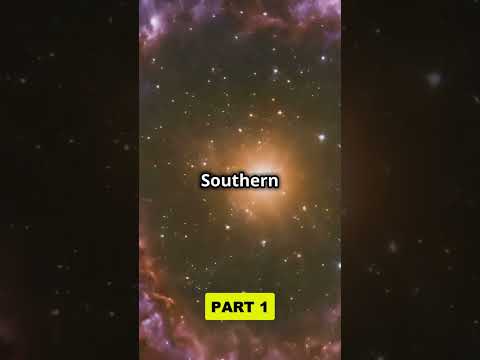
You know that feeling when you catch a glimpse of something so beautiful it stops you in your tracks? Like, one time I stumbled upon this crazy picture of a nebula that looked like an artist’s brush had swirled colors across the sky. Seriously, my jaw just dropped.
Images of Earth and space can do that—grab our attention and spark curiosity like nothing else. It’s wild how a single snapshot can open up a universe of scientific inquiry, right?
From swirling weather patterns to dazzling galaxies far away, these visuals ain’t just pretty; they tell stories about our planet and the cosmos. They inspire questions. They ignite imaginations. You find yourself thinking, “What’s really going on up there?”
Each time we look at these stunning images, we’re invited to dive deeper into understanding how everything works—like an endless cosmic puzzle waiting to be solved. So let’s explore together!
Explore Stunning Earth and Space Images That Inspire Scientific Inquiry – Free Resources for Educators and Enthusiasts
Have you ever just stopped and gazed at a breathtaking image of Earth or the cosmos? Those stunning visuals can really tickle your curiosity and spark some serious scientific inquiry. They’re like windows into the wonders of our planet and the universe beyond. Seriously, some pictures are so amazing that they practically beg you to ask questions. So, let’s explore how these images can inspire, especially if you’re an educator or just a science enthusiast.
The beauty of Earth from space is a fantastic way to start. Images taken from satellites show us everything from swirling storms to lush forests, and even the impact of human activity on our planet. For example, satellite shots of deforestation in the Amazon create a strong visual narrative about environmental issues. This connection between striking images and real science encourages learners to ask: What causes climate change? How does our behavior affect the planet?
But Earth isn’t our only focus! Space images are equally mind-blowing! You know those pictures from telescopes? Like Hubble’s incredible shots of distant galaxies or stunning nebulae? They’re not just pretty pictures; they reveal secrets about the universe’s origins and structure. When students see these cosmic marvels, it can lead to questions about how stars form, why galaxies collide, or even what dark matter is. The mysteries out there simply ignite curiosity.
Now here’s where it gets really cool: there are tons of free resources available for educators and enthusiasts alike. Websites like NASA’s Image Library offer high-quality photographs that inspire awe while providing educational material that explains what you’re looking at. These resources can help frame structured discussions in classrooms or casual learning environments.
- Nasa.gov: Their multimedia galleries are rich with materials perfect for igniting interest in Earth sciences and astronomy.
- The European Space Agency: They showcase stunning imagery alongside mission details, which is super engaging for anyone curious about space exploration.
- The National Oceanic and Atmospheric Administration (NOAA): You’ll find images showing climate variations which can kick off great discussions on weather patterns.
You might even consider using these images as prompts for creative projects! What if students analyzed an image from Mars? They could write stories imagining what life might be like on another planet based on their observations. Seriously enjoyable stuff!
The emotional connection people feel when viewing such awe-inspiring visuals is essential too. It’s not uncommon to feel a sense of wonder—like when I stared at that famous “Pale Blue Dot” image of Earth taken by Voyager 1. It made me ponder humanity’s place in the universe, you know? That sense of perspective can drive important conversations about responsibility toward our planet.
In short, those stunning Earth and space images serve as both art and science lessons rolled into one neat package. They motivate inquiry and critical thinking while appealing to our instinctive love for beauty in nature and the cosmos. Whether you’re teaching or just exploring out of personal interest, diving into this imagery has something magical waiting for everyone!
Exploring the Universe: Unveiling Scientific Insights from James Webb Telescope Images
So, let’s chat about the James Webb Space Telescope (JWST)! This incredible piece of technology is totally reshaping our understanding of the universe. The images it captures are nothing short of jaw-dropping, and they open up a universe of possibilities for scientific inquiry.
First off, the JWST was launched in December 2021, and since then, it’s been peering deeper into space than we’ve ever done before. While Hubble gave us some stunning views, JWST goes even further. It can see longer wavelengths of light—like infrared—making it perfect for observing things that are too cool or too far away to be seen in regular light.
Here’s the thing: with these new images, scientists can study celestial bodies that formed billions of years ago. You know? Stars and galaxies that were just tiny dots in the sky have become detailed objects, revealing their secrets to us. For instance, take the Carina Nebula image; it’s just breathtaking! You get to see star-forming regions with clarity like never before.
Now let’s break it down a bit more:
- The Cosmic Evolution: JWST allows us to look back in time at the early universe and observe how galaxies formed and evolved.
- The Study of Exoplanets: By analyzing starlight as it passes through the atmospheres of distant planets, we can learn about their compositions and potential habitability.
- Spectroscopy Insights: This nifty technique helps scientists understand not just what those objects are made of but also their temperatures and movements.
One vivid example that comes to mind is the first image released by JWST; it showed a galaxy cluster called SMACS 0723. Such dense clusters act like natural lenses—this phenomenon is called gravitational lensing—which magnifies light from even farther away background galaxies. So cool, right? It really blows my mind how we can see these faint structures from such a long way off.
A little story here for you: I remember feeling completely awe-inspired when I first saw one of those deep-field images. It was like staring into a cosmic ocean full of shimmering lights—each dot being an entire galaxy! There’s something so humbling about realizing how small we are compared to all that vastness.
Anyway, now that we’re getting all these stunning images from JWST, they’re not just eye candy for astronomers; they’re paving new paths for scientific inquiry across multiple disciplines—from cosmology to planetary science.
To sum things up: every image captured by the James Webb Telescope isn’t just pretty pictures; they’re windows into our cosmic past and future. Each pixel holds clues about our universe’s origins and evolution, making you think—what else is out there yet to be discovered?
Stunning Real Images of Space and Planets: Exploring the Universe Through Scientific Photography
Space is like this giant, mysterious canvas, right? And scientific photography is how we get to look at all its amazing aspects. The images captured from space and of planets around us not only dazzle our eyes but also inspire questions about our universe—you know, where we come from, what’s out there, and what might be lurking in those distant corners.
When we talk about stunning real images, let’s start with the Hubble Space Telescope. It’s this incredible machine that has been orbiting Earth since 1990. It’s like having a super cool pair of binoculars high up in space! The pictures Hubble takes show us galaxies billions of light-years away. Can you imagine that? Just think about gazing back in time far beyond what you’ve ever seen. Using different filters, scientists can highlight specific features of a galaxy or nebula, revealing colors and structures that paint a clearer picture of our universe.
Then there are the images from the Mars rovers—like Curiosity and Perseverance. They’re sending back jaw-dropping photos of the Martian landscape. You see those rusty-red rocks and dusty plains? Each snapshot tells a story of what Mars might have been like billions of years ago when it possibly hosted water! Isn’t it wild to think that somewhere deep down, Mars may have once had conditions similar to Earth? Just imagine wandering around in those dusty Martian hills!
And don’t forget about the breathtaking shots from the newly launched James Webb Space Telescope. This beast captures infrared light, allowing us to peer through cosmic dust clouds. The first images were jaw-dropping! They revealed details about distant star-forming regions and even some exoplanets—planets outside our solar system—that could potentially harbor life.
Here’s another thing: the images from other planetary missions are fantastic too! Remember Voyager? Launched back in 1977, it continues its mission beyond our solar system! Those iconic photos of Saturn’s rings are so clear; they look almost surreal. They give scientists clues about ring formation and even Saturn’s moons—some of which might have oceans beneath icy crusts.
Moreover, every time we get these stunning visuals, they spark curiosity among both kids and adults alike. I remember my younger sibling gazing at pictures of Jupiter’s Great Red Spot for hours on end—it was such a whirlpool! These visuals lead to questions like “What causes storms on other planets?” or “What would it be like to stand on their surfaces?”
The importance here isn’t just in beauty; it acts as a catalyst for scientific inquiry and education. Schools use these images to engage students with science topics in an exciting way—the more curious we are, the more knowledge we gain! Plus, who doesn’t love seeing these cosmic wonders?
Honestly, space photography not only fills your heart with wonder but also connects us all as humans exploring together into infinity… You can see Earth too—the Blue Planet—captured beautifully from afar by various satellites. Those views remind us how precious our home is amidst such grandeur.
So you see? Each image isn’t just pretty pixels; it’s packed with information waiting for someone to unravel its mysteries. Next time you spot one of these captivating shots online or anywhere else, take a moment to appreciate not just its beauty but also what secrets about the universe it might hold just waiting for curious minds like yours!
So, let’s chat about those mind-blowing images we often see of Earth and space. You know, the ones that stop you in your scroll? Those stunning visuals aren’t just pretty; they can light a spark in our curiosity and get us thinking about the universe around us.
I remember this one time, I was scrolling through social media when I stumbled upon that iconic image of Earth taken from the Apollo 8 mission—Earthrise. It showed our planet peeking over the lunar horizon, all blue and vibrant against the stark black of space. Honestly, it gave me chills! It made me think: Wow, there we are on that tiny speck in the cosmos. It’s humbling, right? It really makes you want to learn more about where we fit into this vast universe.
The cool thing is these images do more than inspire awe; they can nudge us toward scientific inquiry. When folks see breathtaking images of galaxies or nebulae—like the Pillars of Creation captured by the Hubble Space Telescope—it’s like an invitation to dive deeper. They spark questions: What are those colorful clouds? How did those stars form? Do planets exist there? Each image is a doorway to who knows how many discoveries.
And it’s not just space! Earth images—think satellite shots showing deforestation or urban sprawl—can ignite discussions around climate change and conservation efforts. Seeing the planet from above gives a unique perspective on how interconnected everything is. It’s hard to ignore these messages when you can literally see them laid out in front of you!
Really, these stunning images become catalysts for change and curiosity. They connect science with art in such an engaging way that even someone who’s not a science buff might be inspired to learn more—or at least have some thoughtful conversations about it over coffee!
In short, whether it’s gazing at enormous gas giants or watching storms swirl across our own atmosphere, these visuals remind us of how much there is left to explore and understand! And that’s pretty exciting if you ask me!